



 S7S 9005 H11

 Track Order
 My Vehicles
 Contact Us
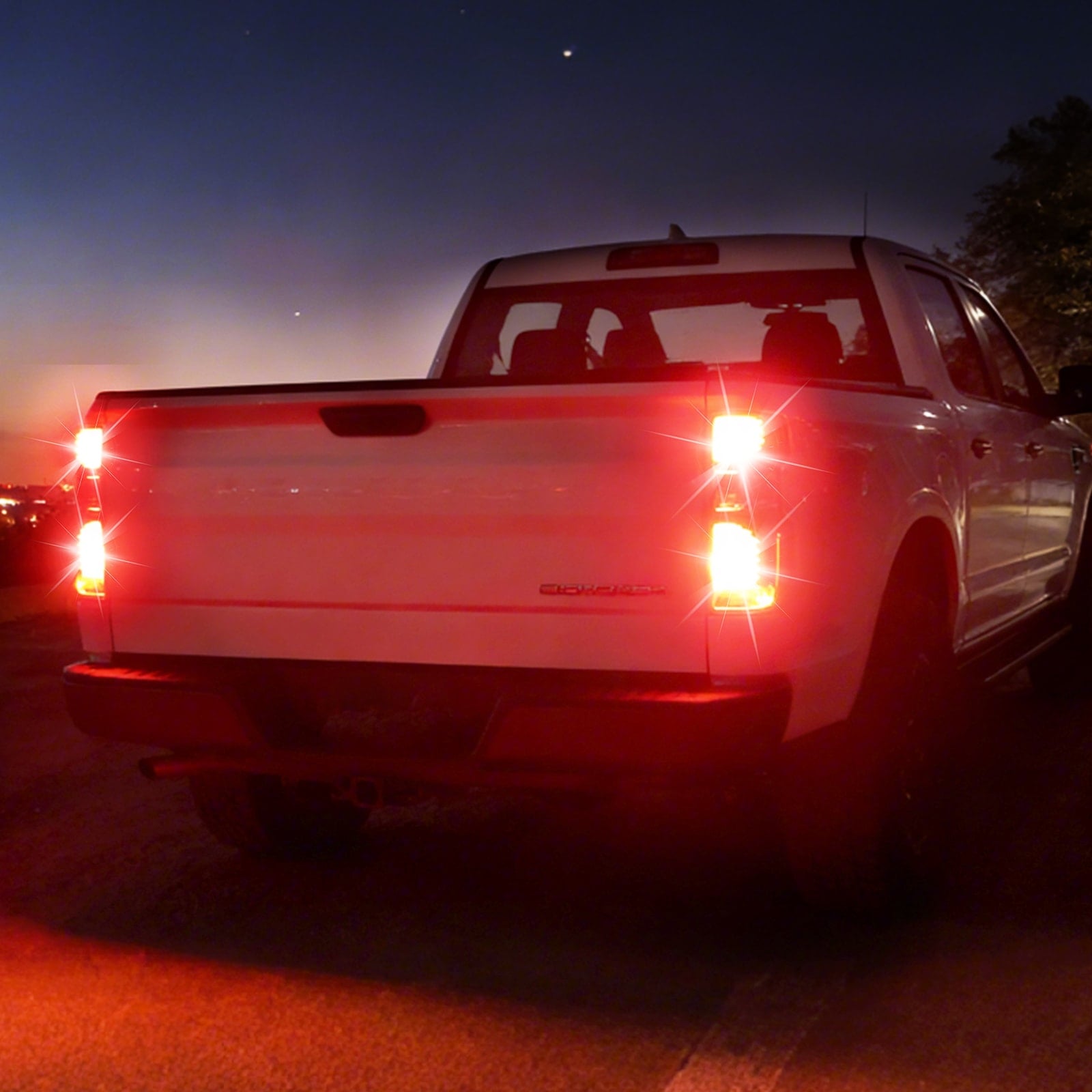
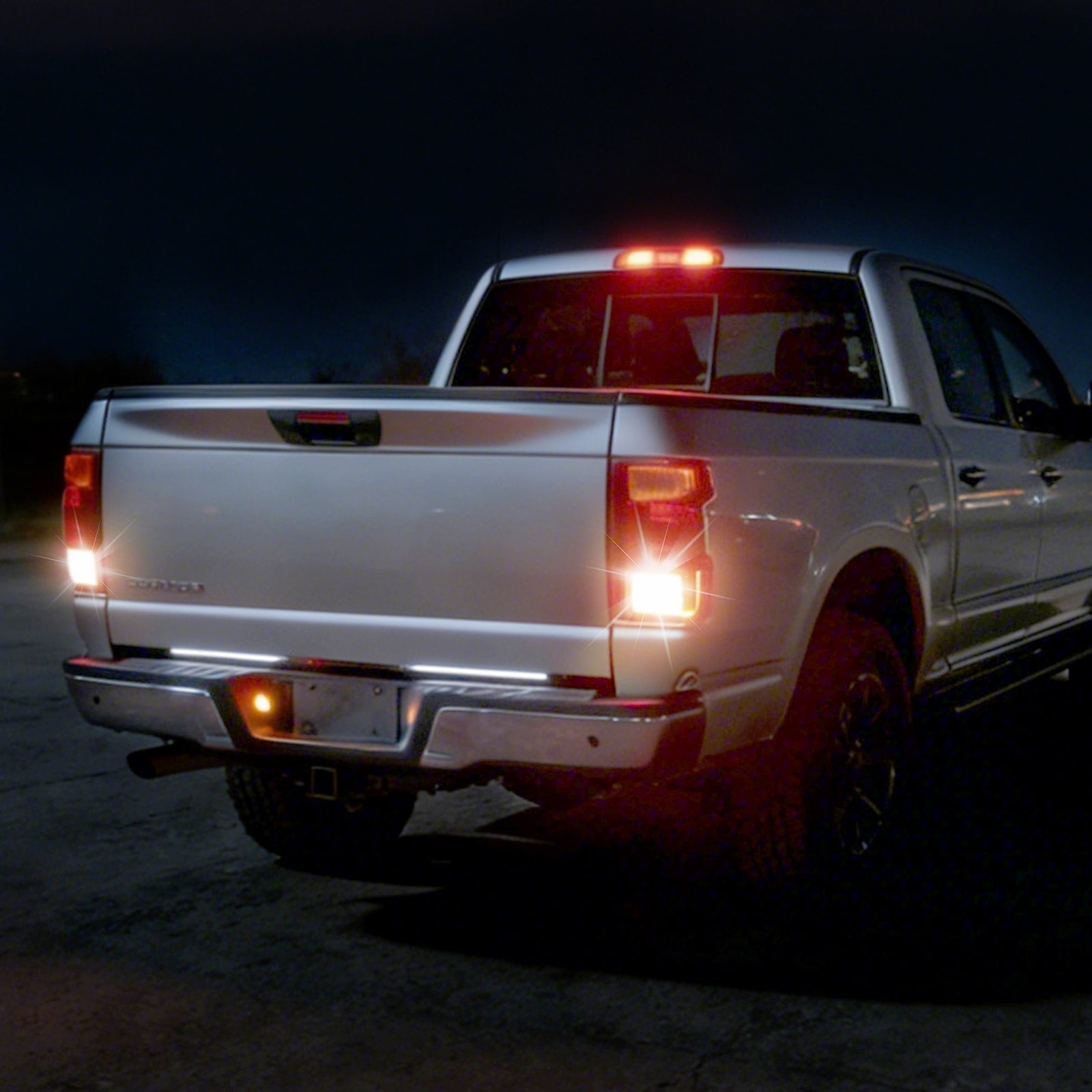
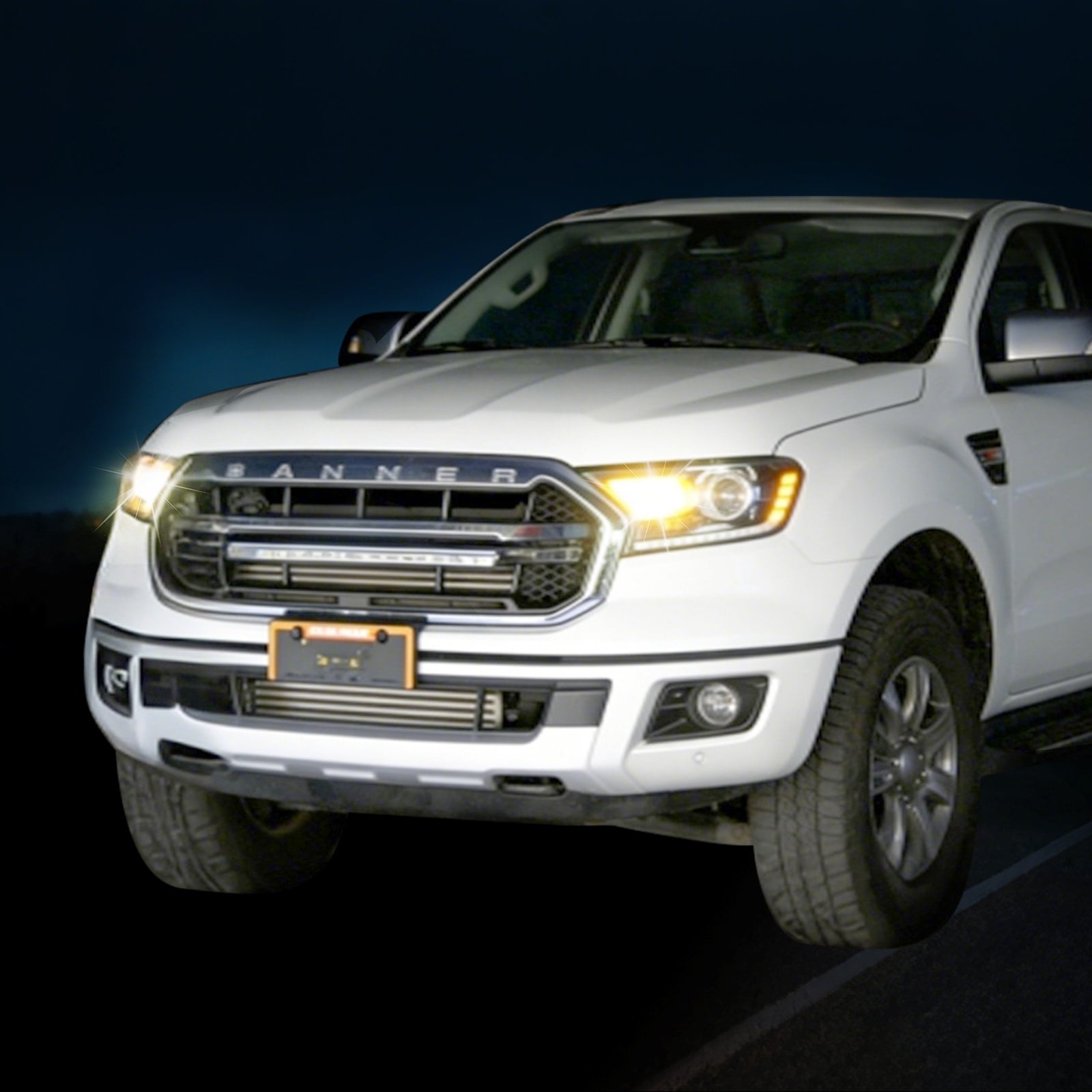





-69c35c81b5664.jpg)









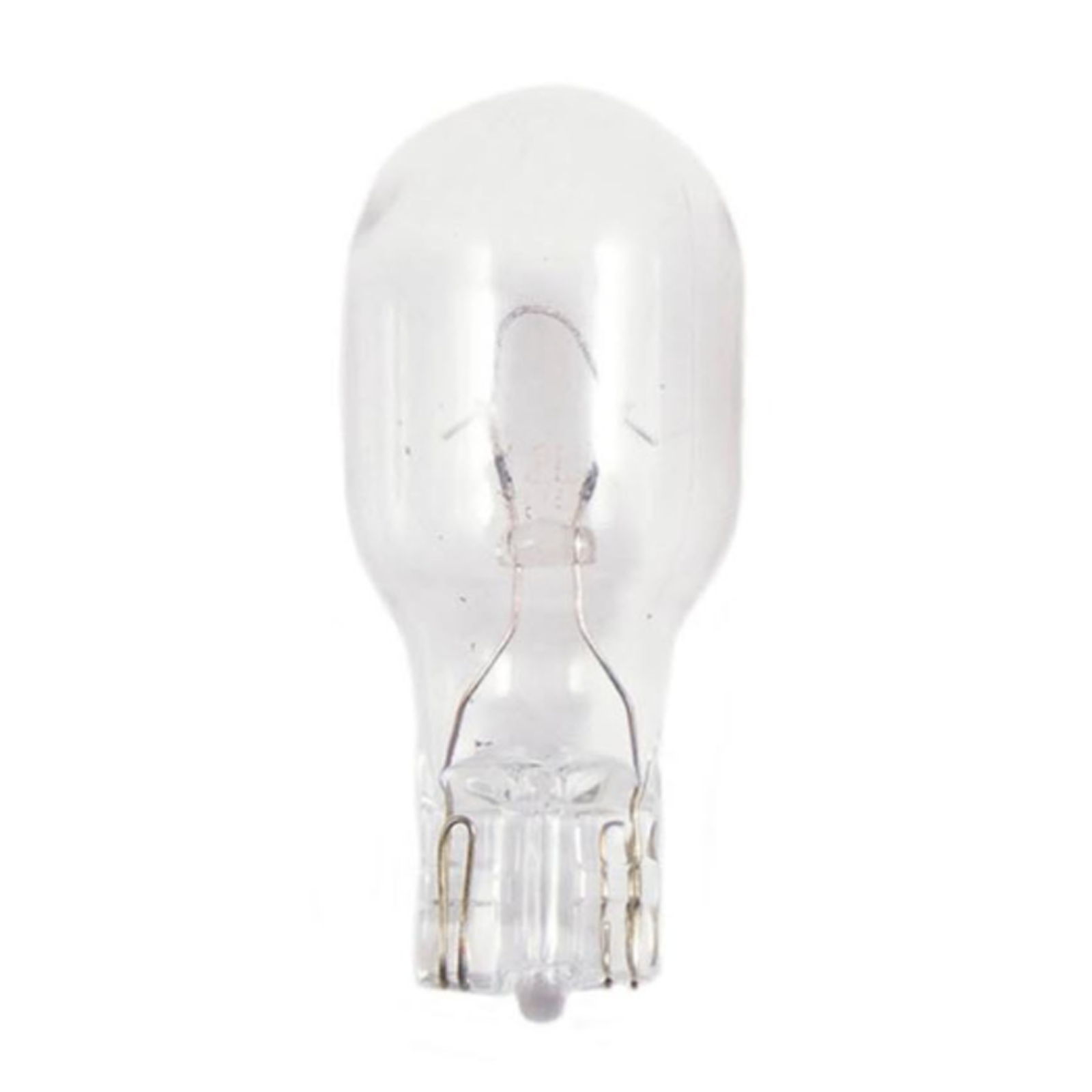
168 and 194 bulbs are two of the most common miniature wedge bulbs used in automotive lighting. They look almost identical, fit many of the same sockets, and are frequently grouped under the T10 family. The main differences are their power draw and light output.
For most drivers, the key question is simple: can a 168 replace a 194, and which one is better for the position in your vehicle? This guide explains the shared base, the practical differences, common applications, T10 and W5W naming, and what changes when you move to LED replacements.
Quick Answer: 168 vs 194
- Both use the same common wedge-style base and can fit many of the same sockets.
- A standard 168 halogen bulb generally draws more power and produces slightly more light than a standard 194.
- 194 bulbs are widely used in interior, license-plate, side-marker, and parking-light positions.
- T10 is a size-family term rather than one single bulb number.
- Before switching to LED, confirm the bulb number, available space, polarity requirements, and whether the vehicle monitors bulb load.
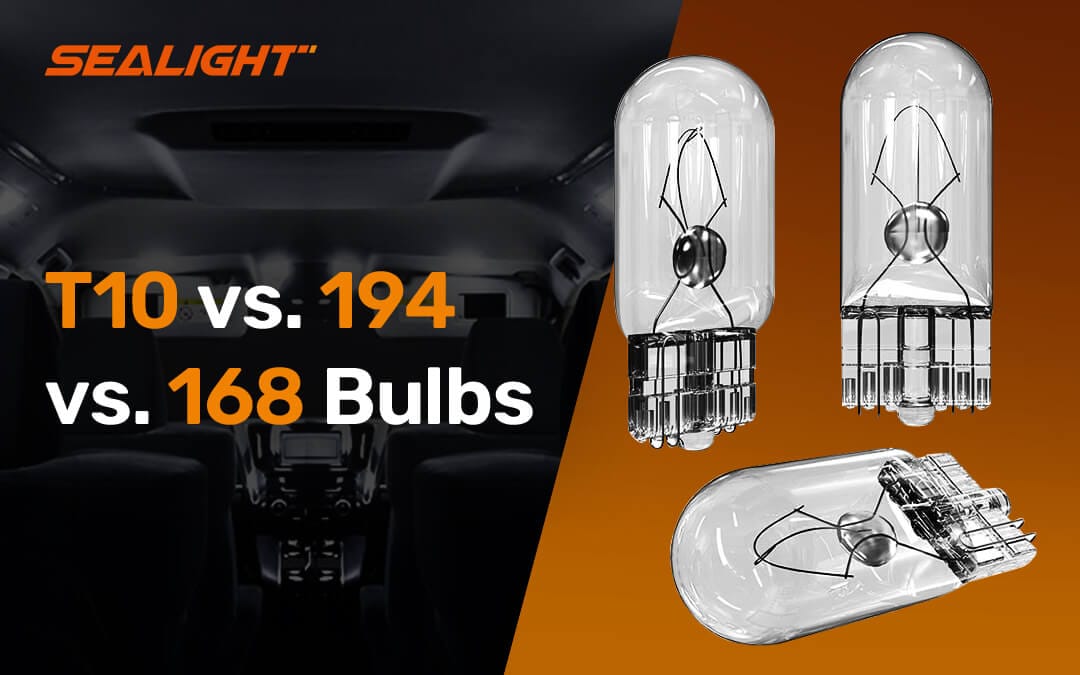
What Are 168 and 194 Bulbs?
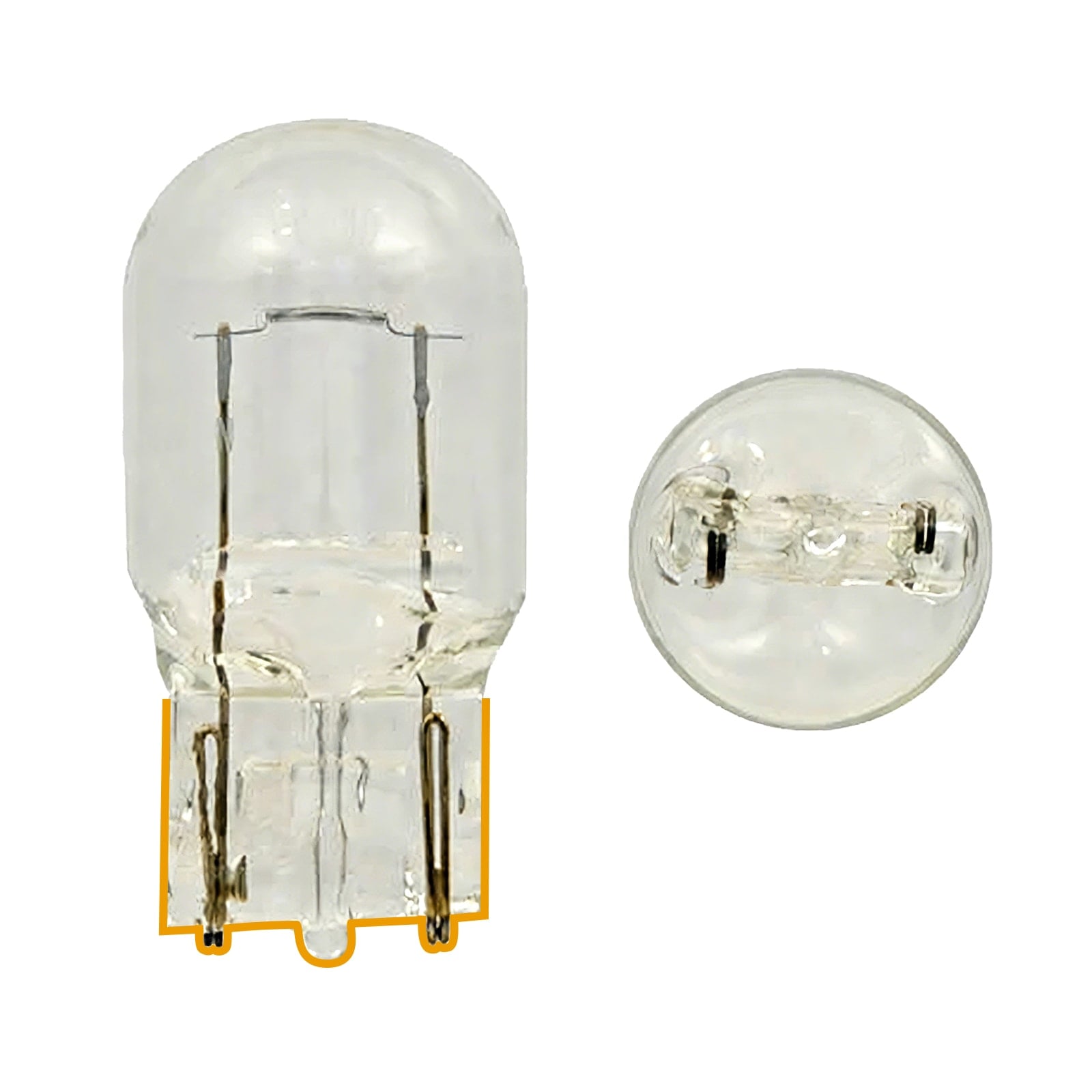
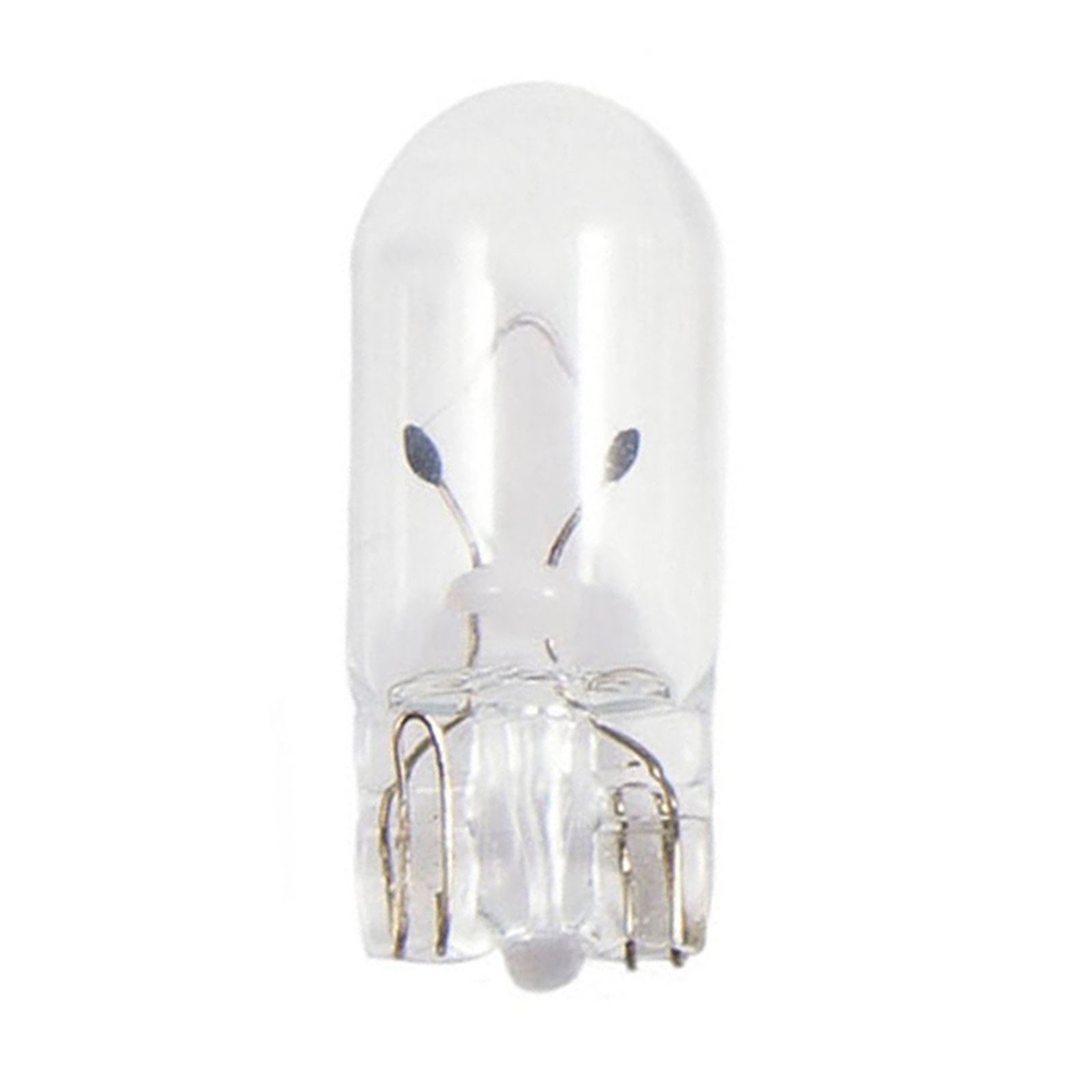
Both bulbs use the W2.1×9.5d wedge-style base commonly found in compact automotive lighting. This shared physical design explains why they can often be interchanged in dome lights, map lights, trunk lights, license-plate lights, side markers, and other small positions.
The standard incandescent versions differ mainly in wattage. A 194 is commonly around 3.8 watts, while a 168 is commonly around 4.9 watts. The higher-power 168 typically produces a little more light.
Because the difference is modest, many owners never notice a major visual change when swapping one for the other. Socket fitment and the vehicle's specified bulb remain the first things to check.
What Does T10 Mean?
T10 describes the bulb's general tubular or wedge-size family. In automotive use, the label is often associated with bulbs such as 168, 194, W5W, 2825, and related miniature wedge formats.
If your manual lists a specific 168 or 194 bulb, use that number as the primary fitment reference. If an LED product is marketed as T10/194/168/W5W, it is designed to cover several common cross-reference numbers in that socket family.
You can compare compatible options in the SEALIGHT T10/194/168 LED bulb collection.

What Is W5W?
W5W is another common designation for a 5-watt wedge-base bulb. It appears frequently in European and global bulb references and overlaps with T10-type applications. A W5W, 168, and 194 can share the same basic socket, although their original incandescent wattage and brightness may differ.
When selecting an LED replacement, the cross-reference printed on the product page is usually more useful than trying to reproduce the exact original incandescent wattage.
Common Uses for 168 and 194 Bulbs
Interior Lighting
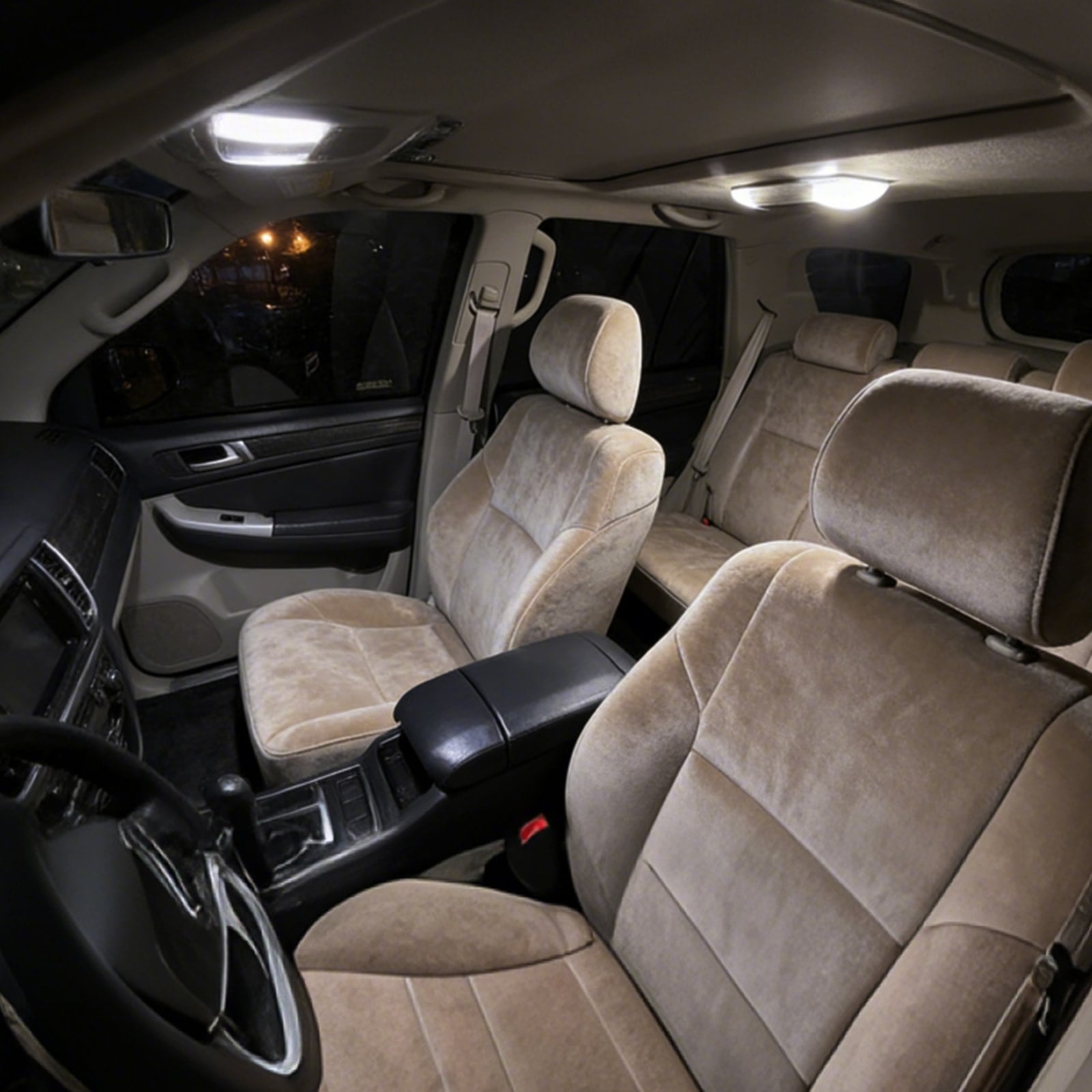
Dome, map, vanity, glove-box, cargo, and door courtesy lights are common 168/194 applications. For cabin positions, the SEALIGHT interior light collection includes compatible wedge-style LED options.
License Plate Lights
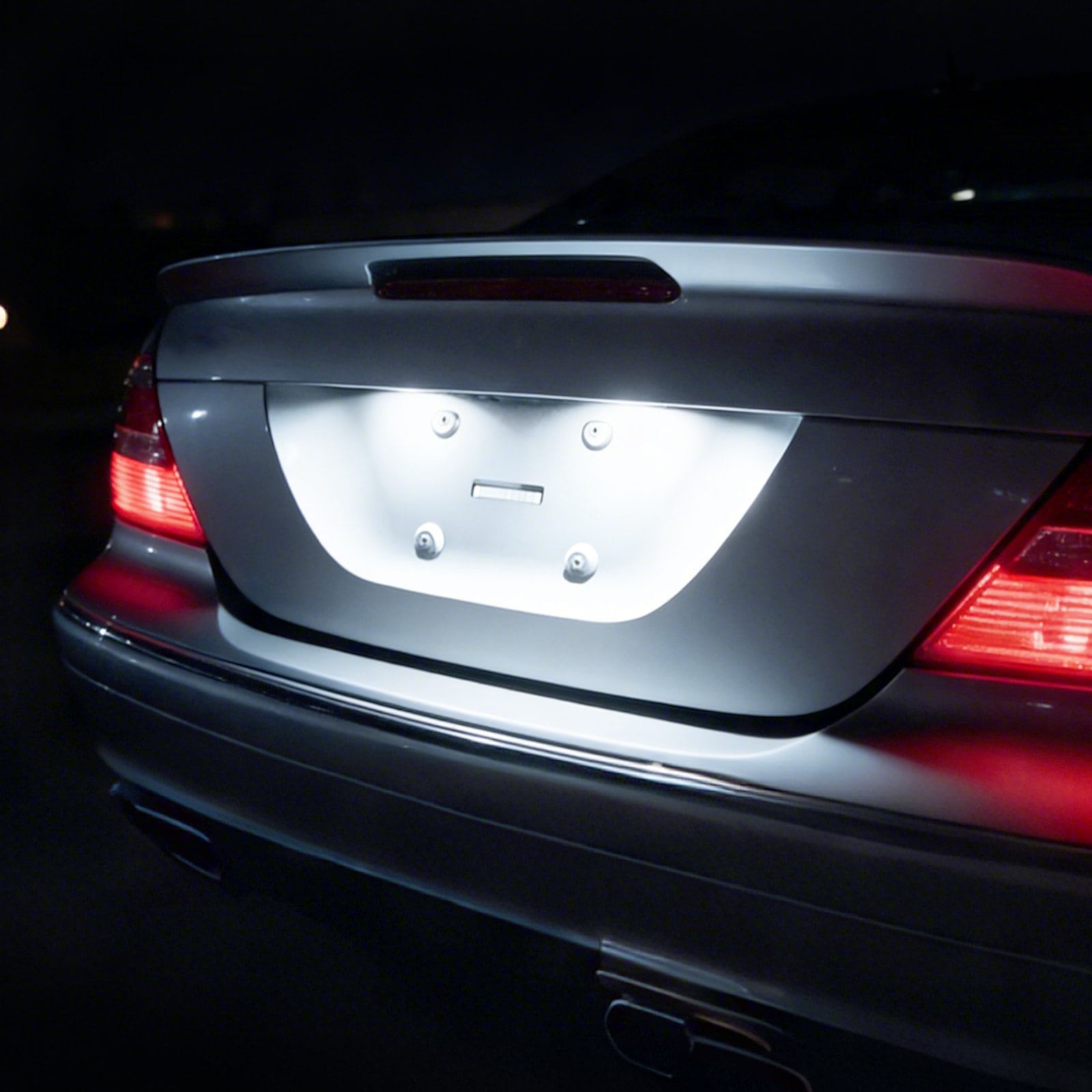
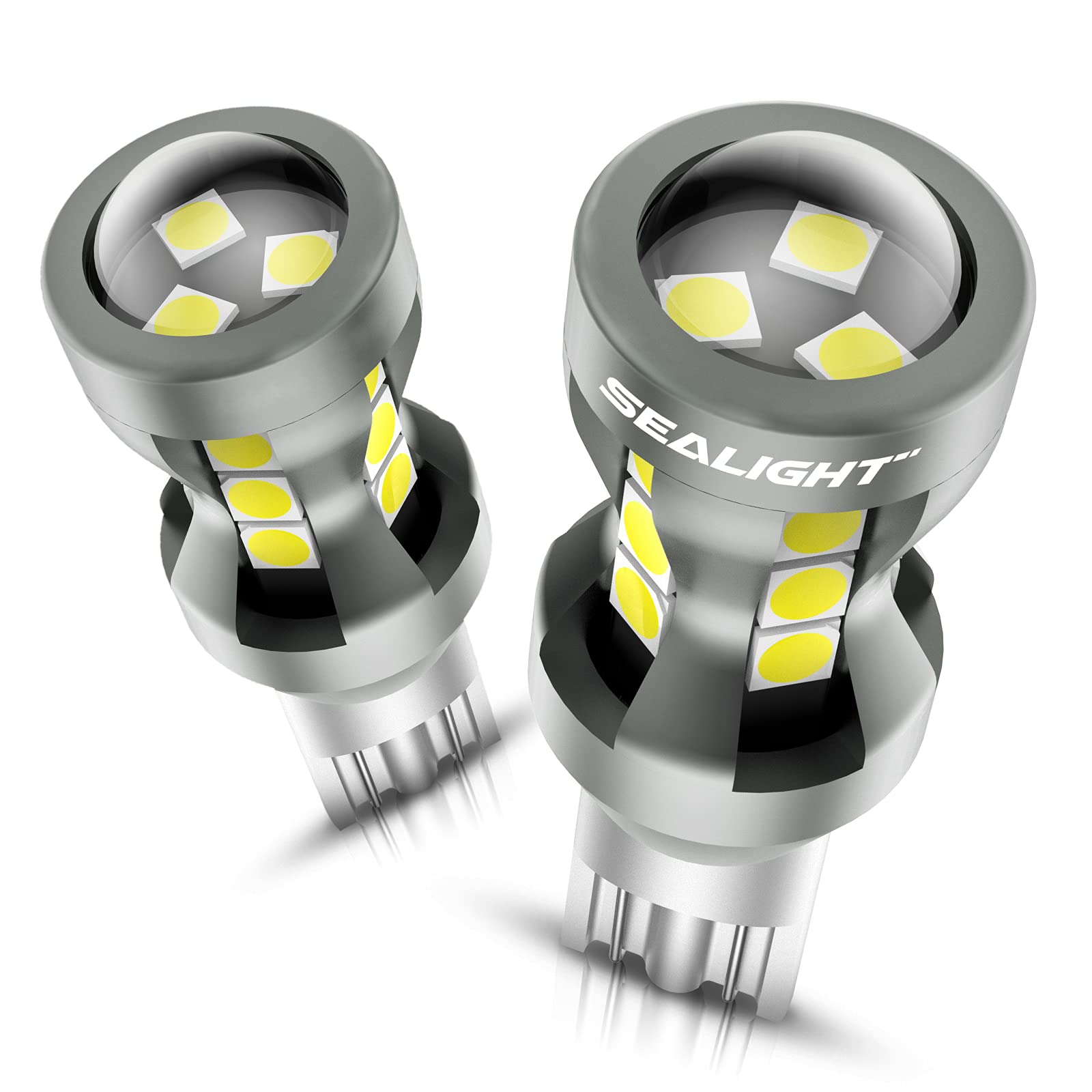
License-plate housings often use 168, 194, or related T10 bulbs. If this is the position you are replacing, use the license plate light collection and verify the original bulb size before ordering.

DRL and Marker Positions
Some vehicles also use T10-family bulbs for side markers, parking lights, or daytime running light positions. Output colour and legal visibility requirements can differ by position, so match the replacement to the intended function.
Can You Replace a 194 With a 168?
In many sockets, yes, because the physical base is the same. The original incandescent 168 typically draws slightly more current and runs somewhat brighter. In a small enclosed housing, the vehicle manufacturer's specified bulb remains the safer reference because heat and electrical load were designed around that application.
With LED replacements, the situation changes because LED power draw is much lower. Fit, polarity, physical length, light distribution, and vehicle electronics become more important than matching the original incandescent wattage exactly.
Should You Upgrade 168 or 194 Bulbs to LED?
LED replacements can provide a brighter, cleaner appearance with lower power draw and longer service life. They are especially useful for interior, cargo, license-plate, and marker positions where a crisp light output is desired.
For cold-weather use, LED miniature bulbs reach full output immediately, which is useful during winter evenings. Make sure outdoor housings remain sealed because road salt, moisture, and freeze-thaw cycles can expose weak connections.
How to Choose the Right Replacement
- Check the bulb number printed on the existing bulb or in the owner's manual.
- Confirm the socket and physical space in the housing.
- Match the colour to the lighting function: white for most interior and license-plate uses, and the required colour for marker or signal positions.
- For LED replacements, check polarity and CANbus or bulb-monitoring compatibility if relevant.
- Test the bulb before fully reinstalling trim or lenses.
Frequently Asked Questions
Are 168 and 194 bulbs the same size?
They share the same common wedge-style base and are physically compatible in many applications. Their original incandescent wattage and brightness differ slightly.
Is a 168 brighter than a 194?
A standard 168 incandescent bulb generally draws more power and is slightly brighter than a standard 194.
Is T10 the same as 194?
T10 is a bulb-size family label. A 194 is one common bulb number that fits within the broader T10-style wedge family.
Can I use LED T10 bulbs instead of 168 or 194?
Often yes, provided the LED product lists the appropriate cross-reference and fits the housing. Verify polarity, dimensions, colour, and vehicle electronics.
Final Verdict
168 and 194 bulbs are closely related miniature wedge bulbs that fit many of the same sockets. A 168 incandescent bulb is typically slightly brighter and higher wattage, while 194 is a very common lower-power choice. For an LED upgrade, confirm the original bulb number and then choose a T10/194/168-compatible product designed for the exact lighting position.