



 S7S 9005 H11

 Track Order
 My Vehicles
 Contact Us






-69c35c81b5664.jpg)


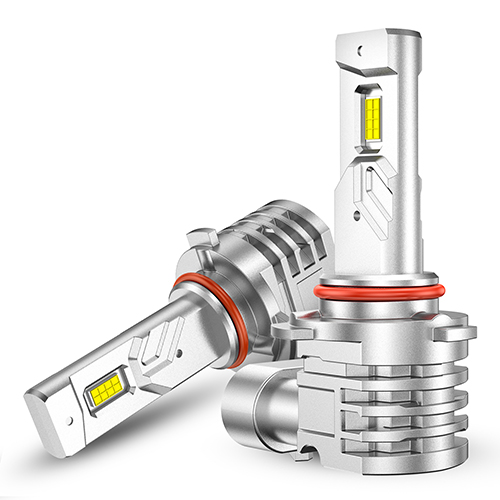
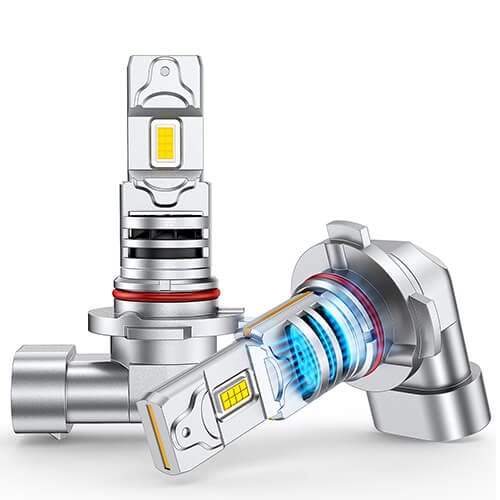



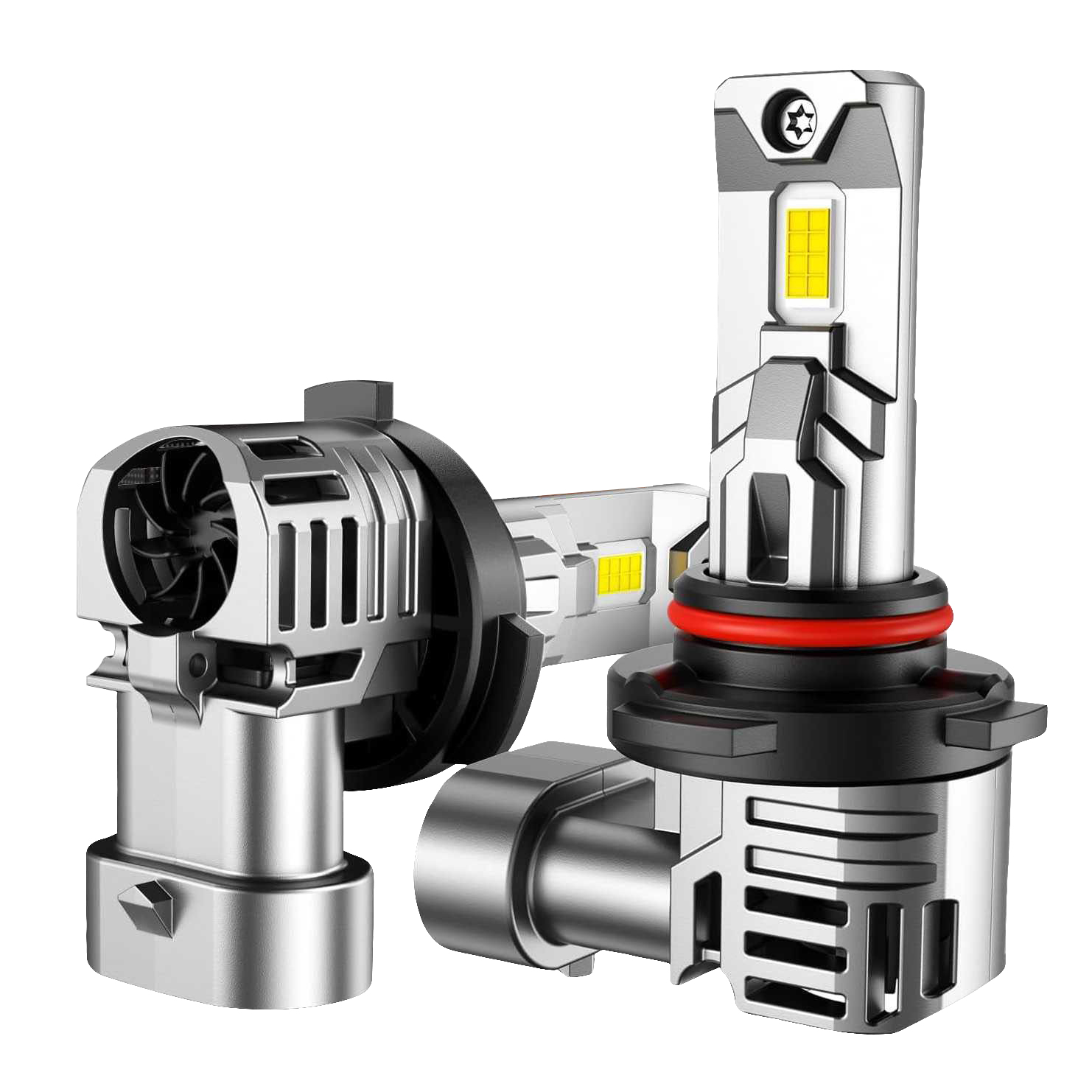


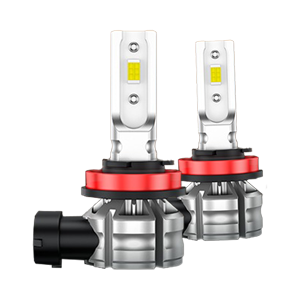


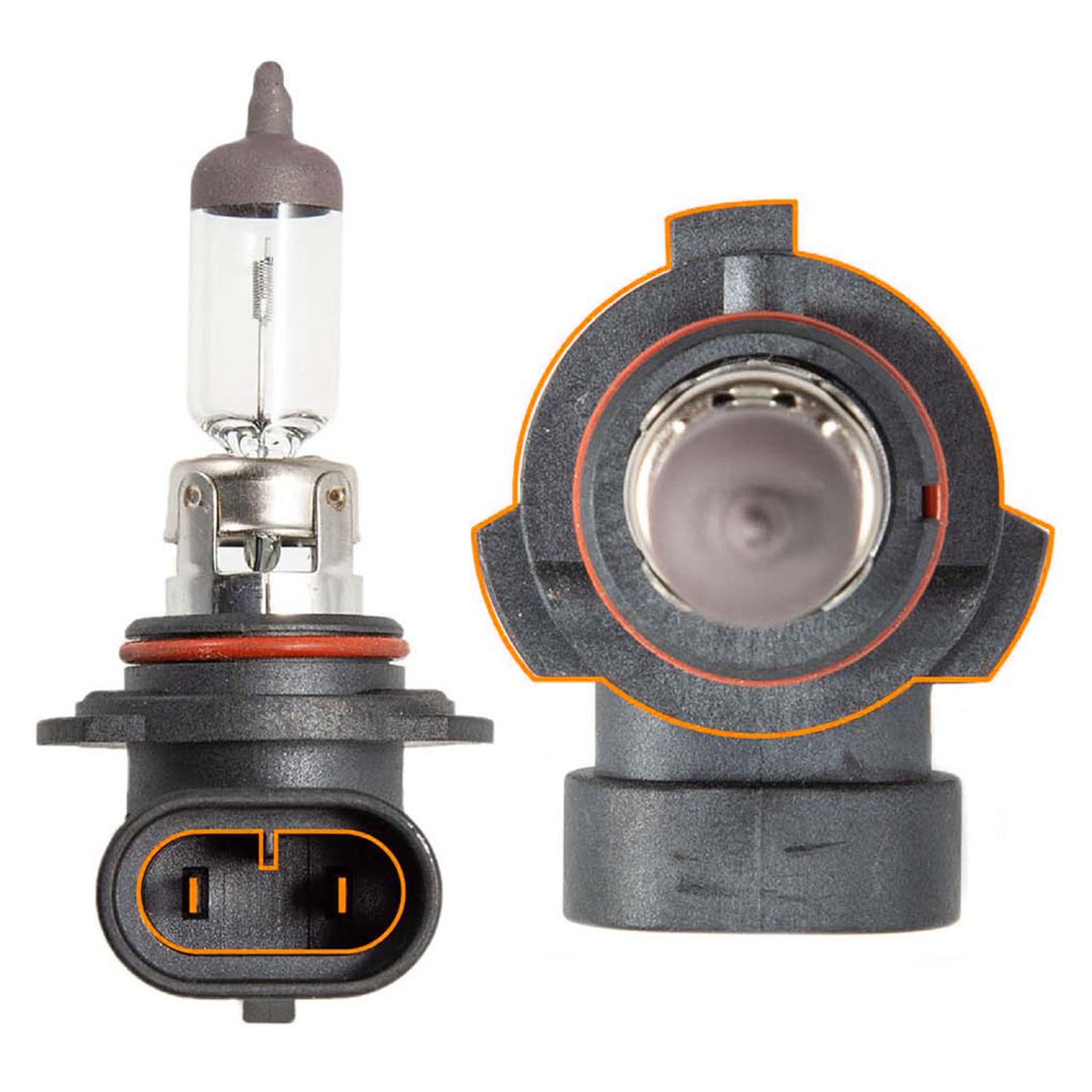
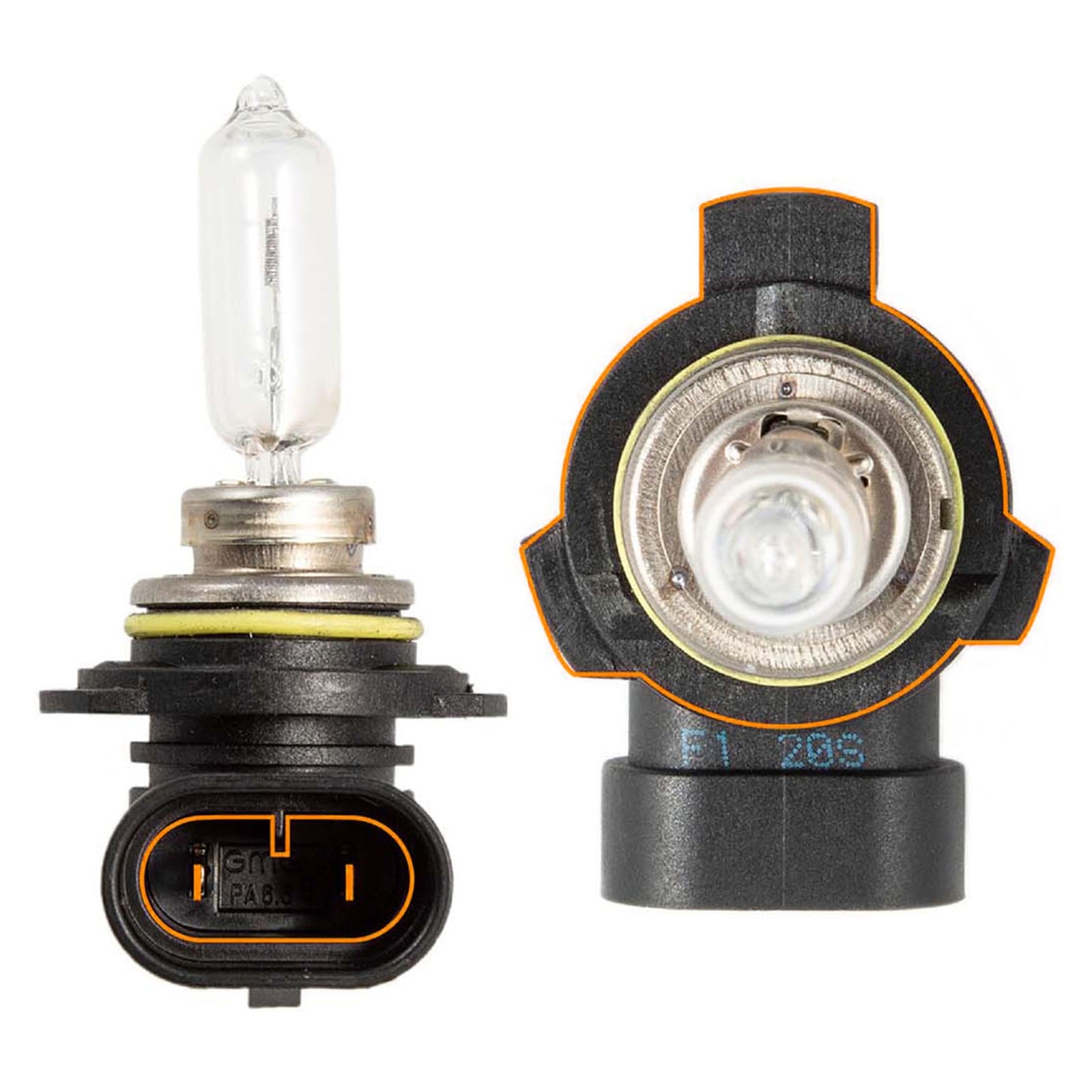
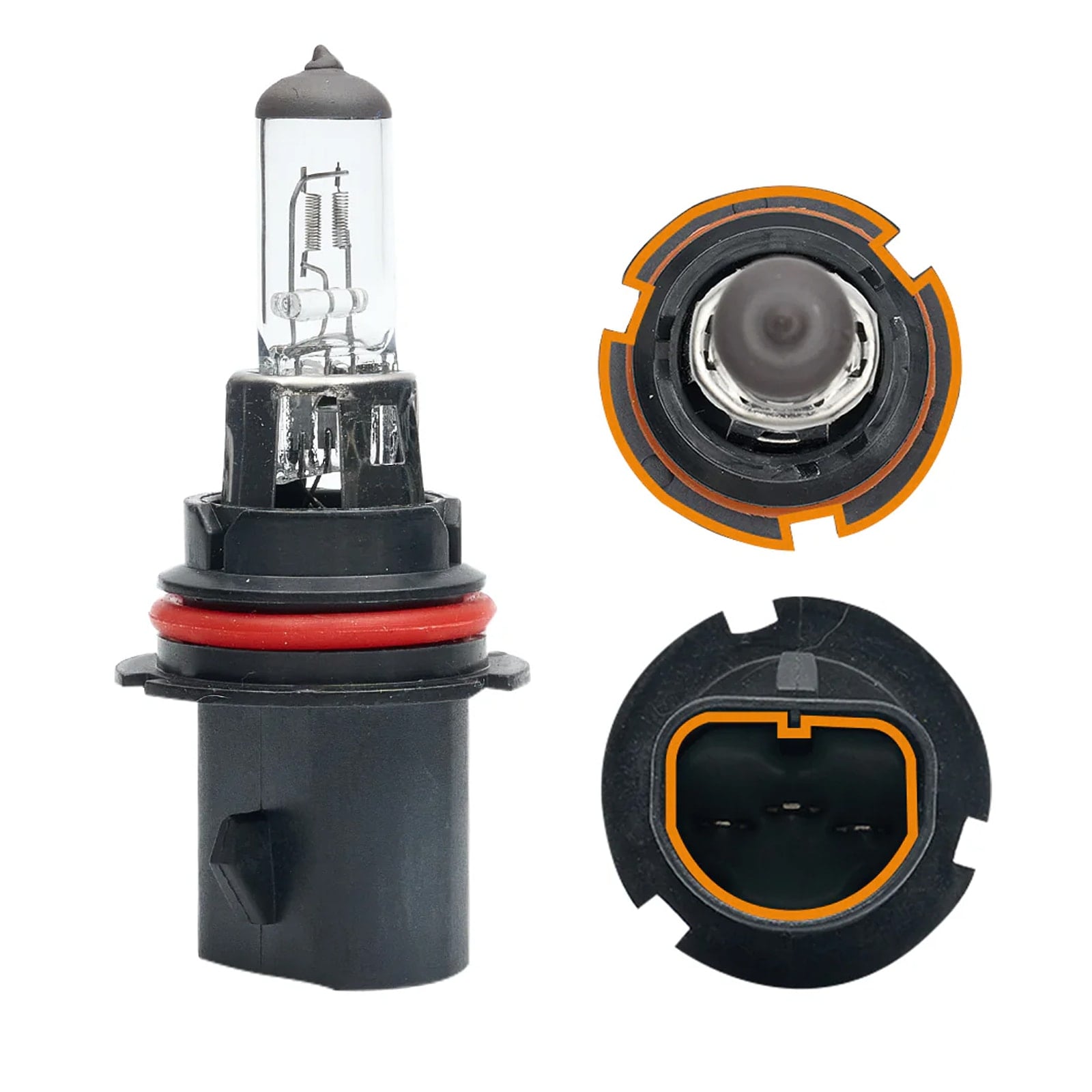
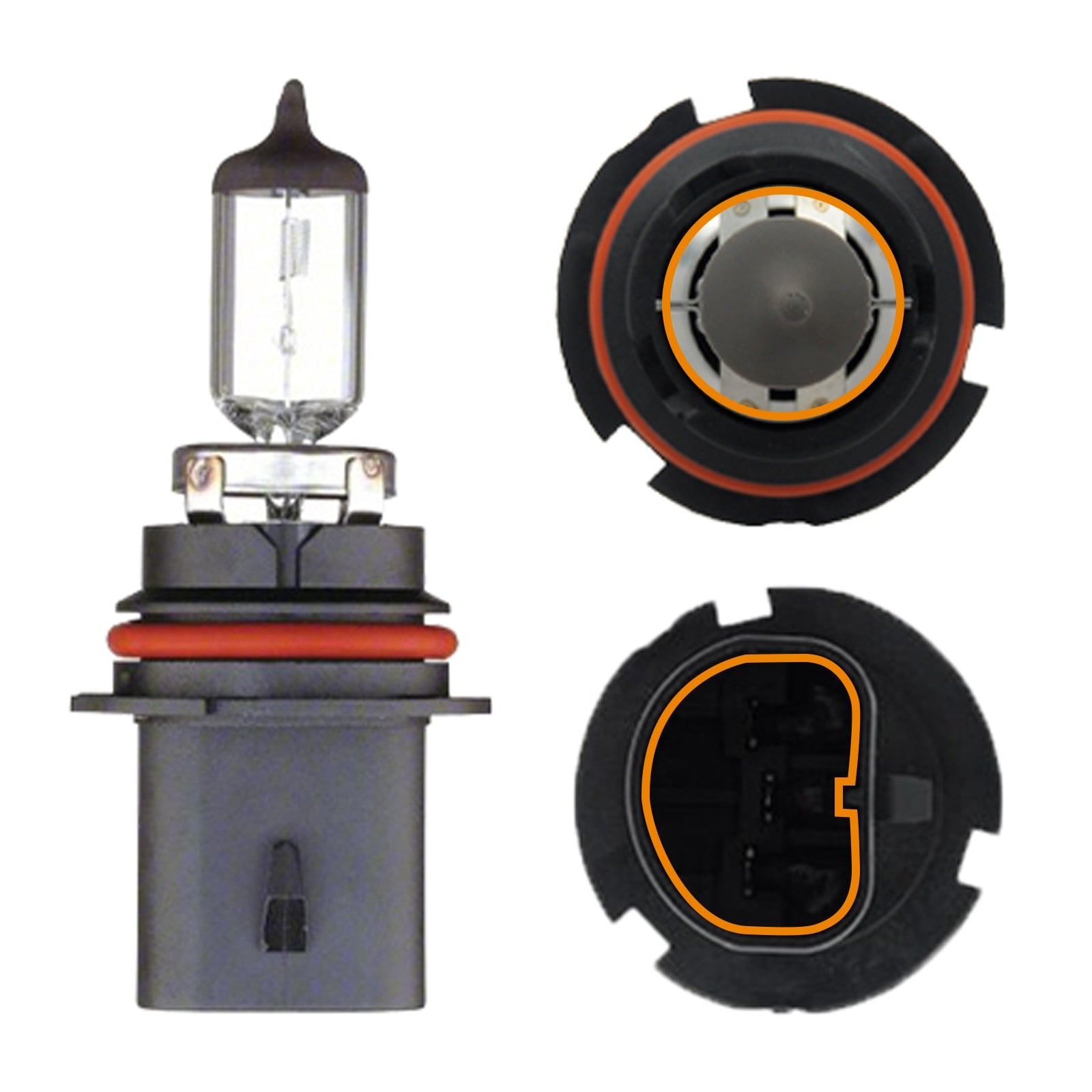
9004 and 9007 are dual-filament headlight bulbs that combine low and high beam in one bulb. Their similar appearance and three-pin connectors make them easy to confuse, but the wiring and filament orientation are different.
They are not direct plug-and-play substitutes. Even if one can be physically adapted to the other socket, the wrong wiring or filament position can produce incorrect beam operation.

Quick Comparison: 9004 vs 9007
- Both are dual-filament bulbs for combined high and low beam.
- Both use three electrical terminals.
- 9004 and 9007 use different terminal layouts and filament orientation.
- On 9007, the ground terminal is commonly in the centre; on 9004, ground is positioned differently.
- The housing optics are designed around the correct filament location.

What Is a 9004 / HB1 Bulb?
9004, also called HB1, is an older dual-beam headlight bulb found on many vehicles from earlier generations. One bulb performs both low- and high-beam functions.
If your vehicle specifies this size, use the 9004/HB1 LED bulb collection.
What Is a 9007 / HB5 Bulb?
9007, also called HB5, is another dual-beam bulb. It became common on many later vehicles and uses a different internal filament orientation and connector pin arrangement from 9004.
For confirmed applications, browse the 9007/HB5 LED bulb collection.
9004 vs 9007: What are the Main Differences
Electrical Pin Layout
The three terminals do not perform the same functions in the same positions. Plugging the wrong bulb into an adapted connector can cause high and low beams to work incorrectly.

Filament Orientation
The low- and high-beam filaments sit differently inside the bulbs. The reflector or lens is designed around those exact positions, so incorrect placement changes the beam pattern.
Base and Fit
The bases are related but keyed differently. Modifying tabs to make the bulb fit does not correct the electrical or optical differences.
Can You Swap 9004 and 9007?
A proper conversion would require more than changing the plug. Wiring must be corrected and the optical compatibility of the headlight housing must be considered. For routine replacement, use the factory-specified bulb.
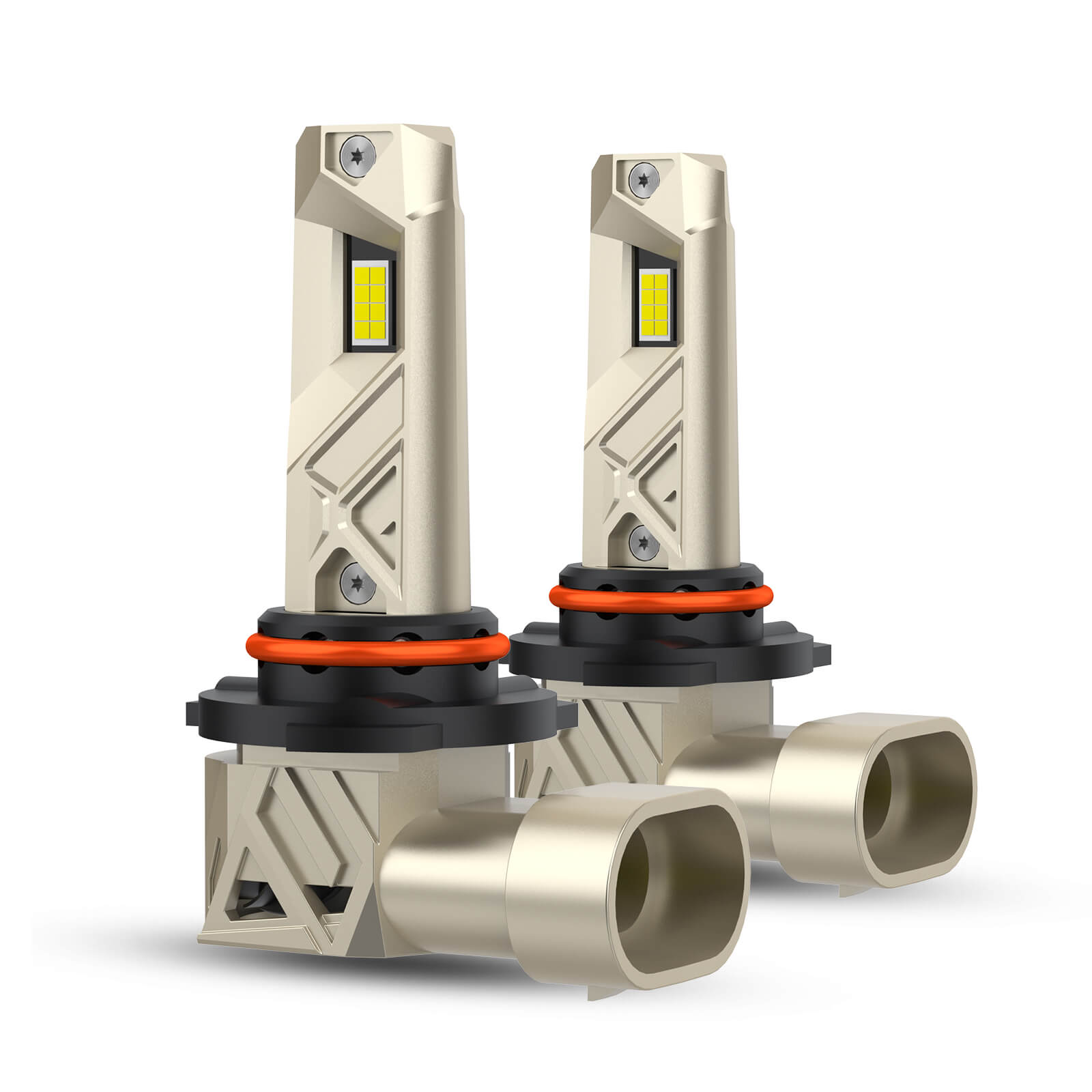
With LED upgrades, the same rule applies. Select an LED designed specifically for 9004/HB1 or 9007/HB5 so the emitters and wiring correspond to the original bulb.
What to Look for in an LED Replacement
- Correct 9004 or 9007 socket and pinout.
- Emitter position that closely matches the original filaments.
- Compact cooling system that fits behind the housing.
- Stable high/low switching without flicker.
- Weather-resistant connectors and seals for rain, snow, and road spray.
Installation Tips
- Confirm the original bulb number before disconnecting the old bulb.
- Do not repin or modify the connector for a normal bulb replacement.
- Install the LED with the correct orientation.
- Test both low and high beams before closing the housing.
- Check beam aim and cutoff after installation.
Frequently Asked Questions
Are 9004 and 9007 the same bulb?
No. They are different dual-beam bulbs with different wiring and filament positions.
Can I use a 9007 LED in a 9004 socket?
No as a direct replacement. Use the LED size made for the original socket.
Which bulb is newer?
9007 became common on many vehicles after 9004, but the correct choice is determined by the vehicle, not by which bulb design is newer.
Final Verdict
9004/HB1 and 9007/HB5 may look similar, but their wiring, filament position, and beam geometry are different. For a normal replacement or LED upgrade, the safest approach is to stay with the bulb size specified for your vehicle rather than trying to adapt one to the other.
If your vehicle uses 9004/HB1, explore the SEALIGHT 9004/HB1 LED bulb collection. For 9007/HB5 applications, browse the SEALIGHT 9007/HB5 LED bulb collection.
Confirm your factory bulb size first, then choose the matching LED upgrade for the correct fit, wiring, and beam pattern.