



 S7S 9005 H11

 Track Order
 My Vehicles
 Contact Us
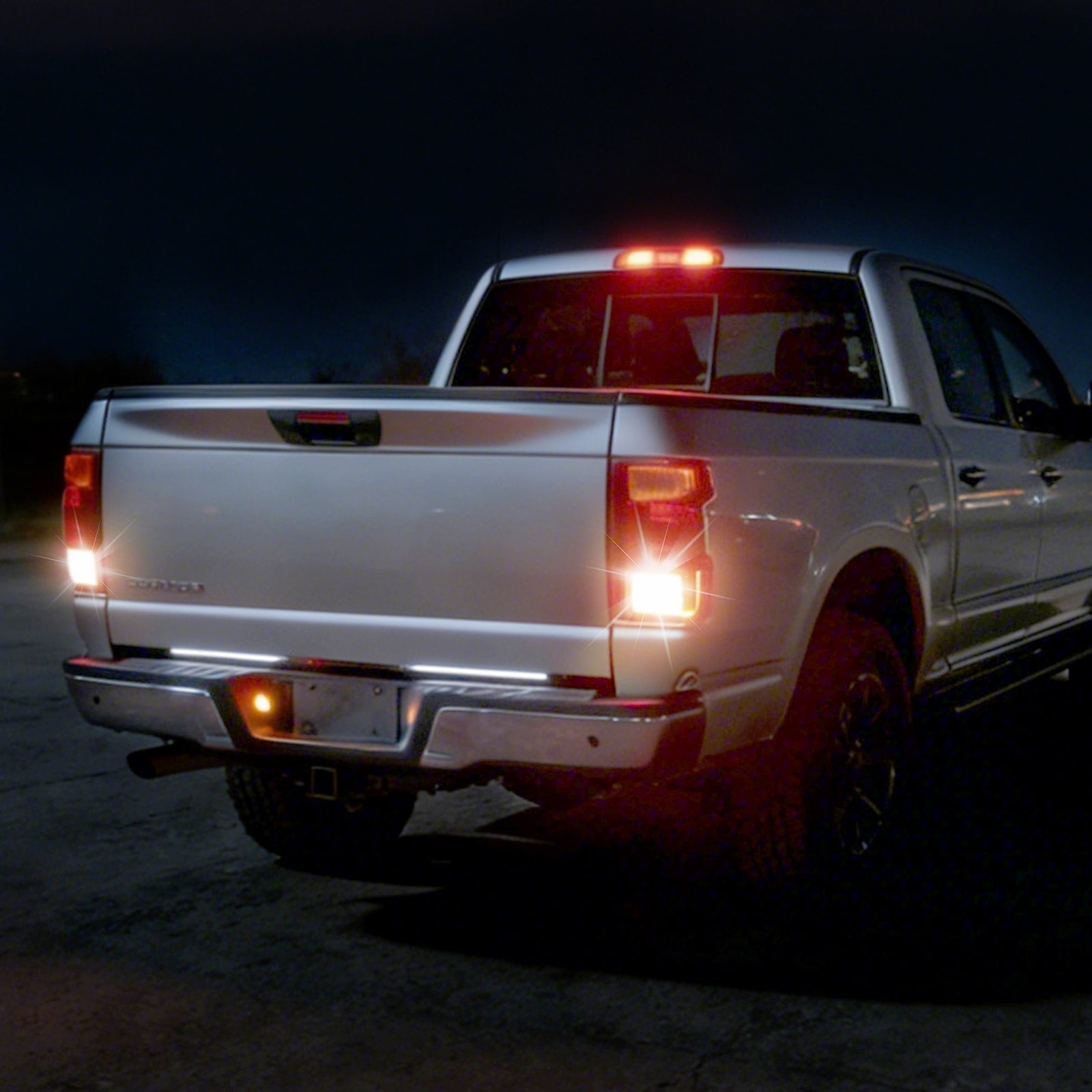
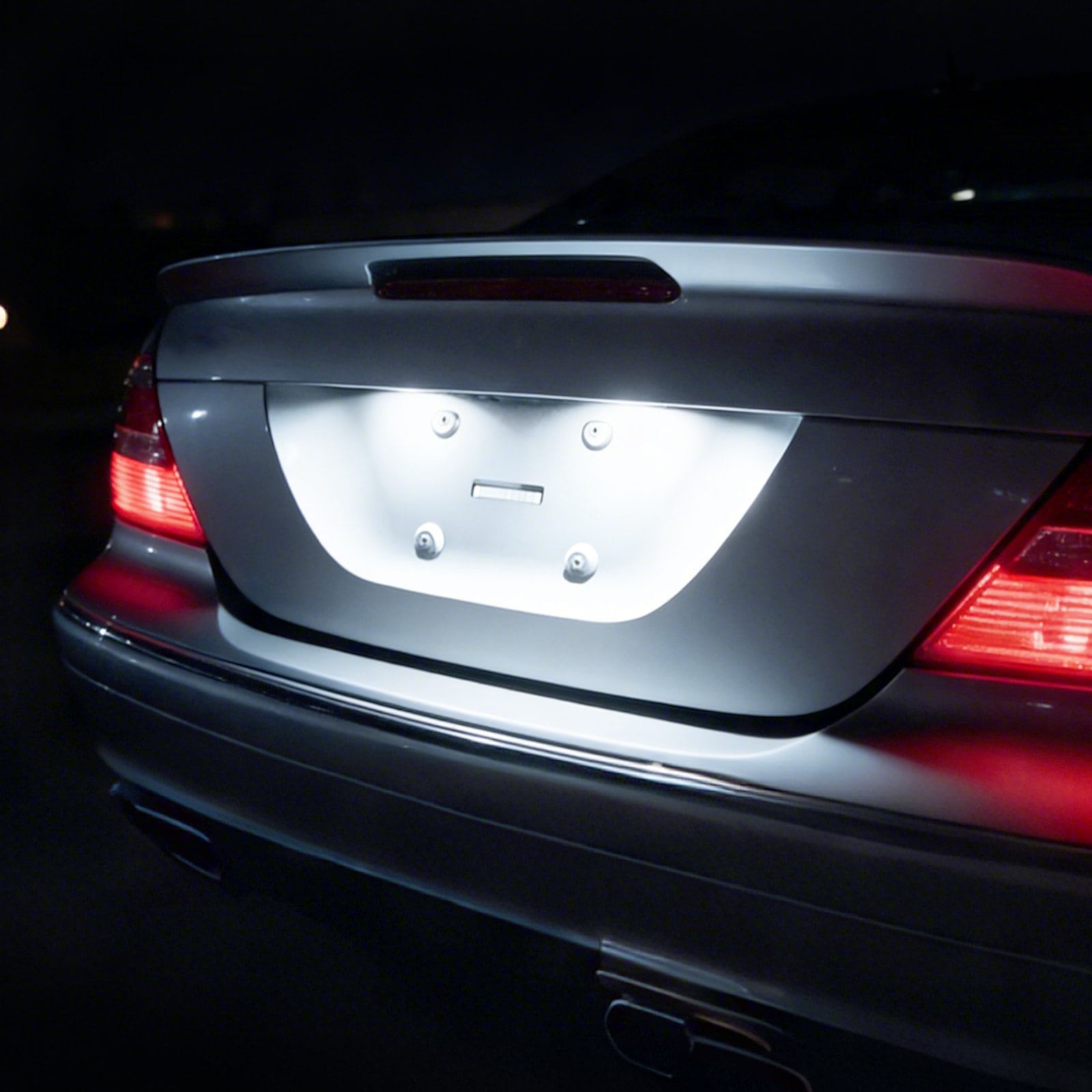

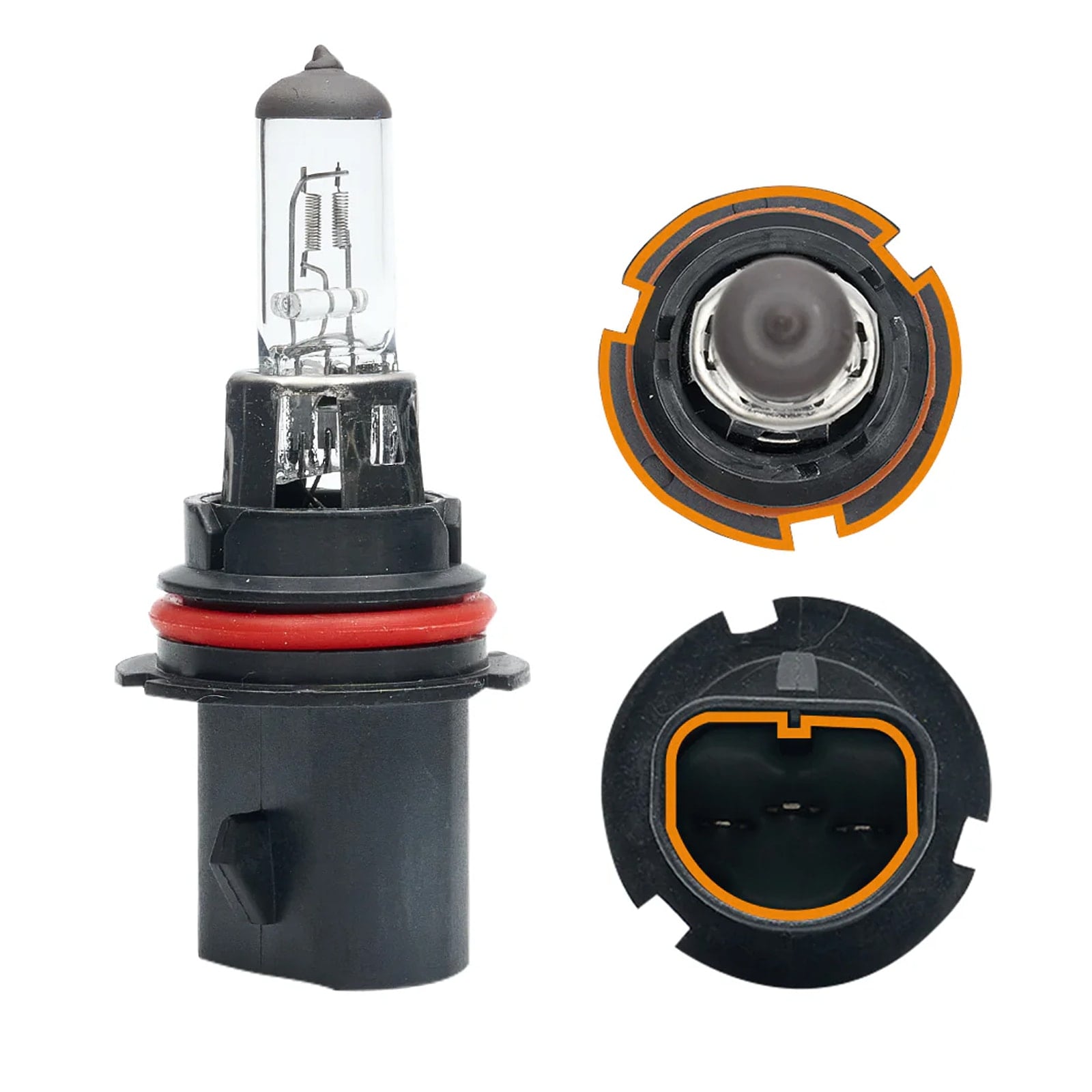
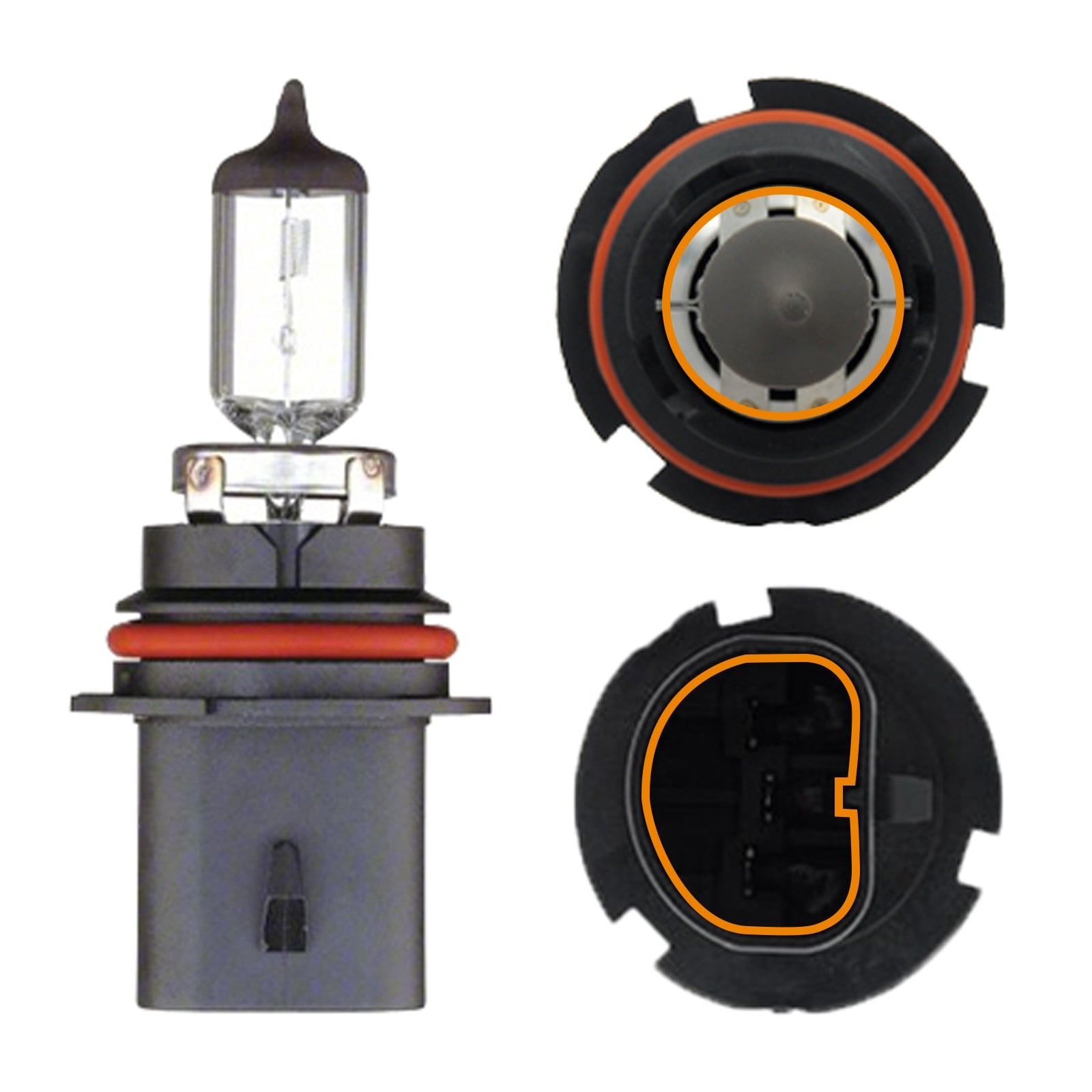
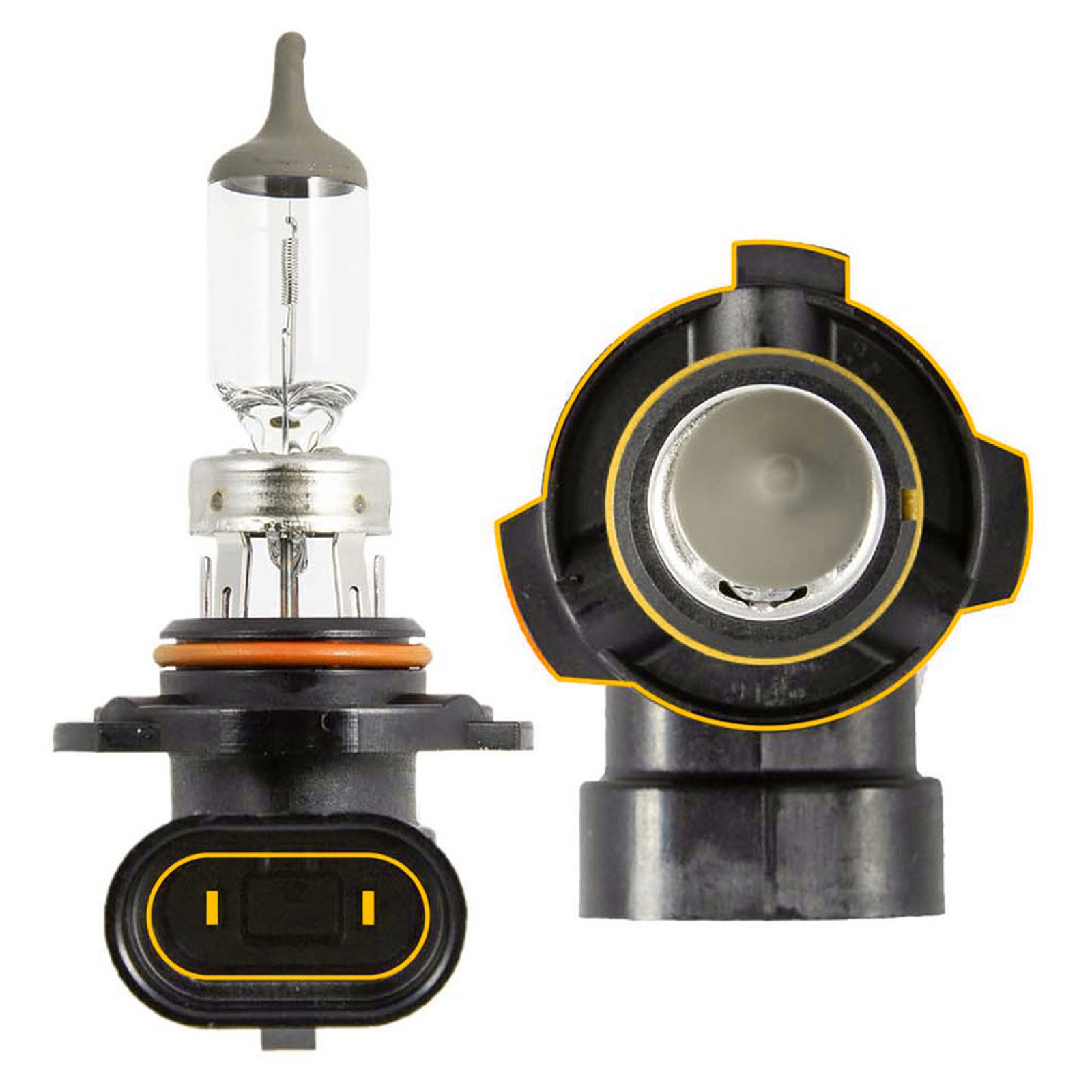
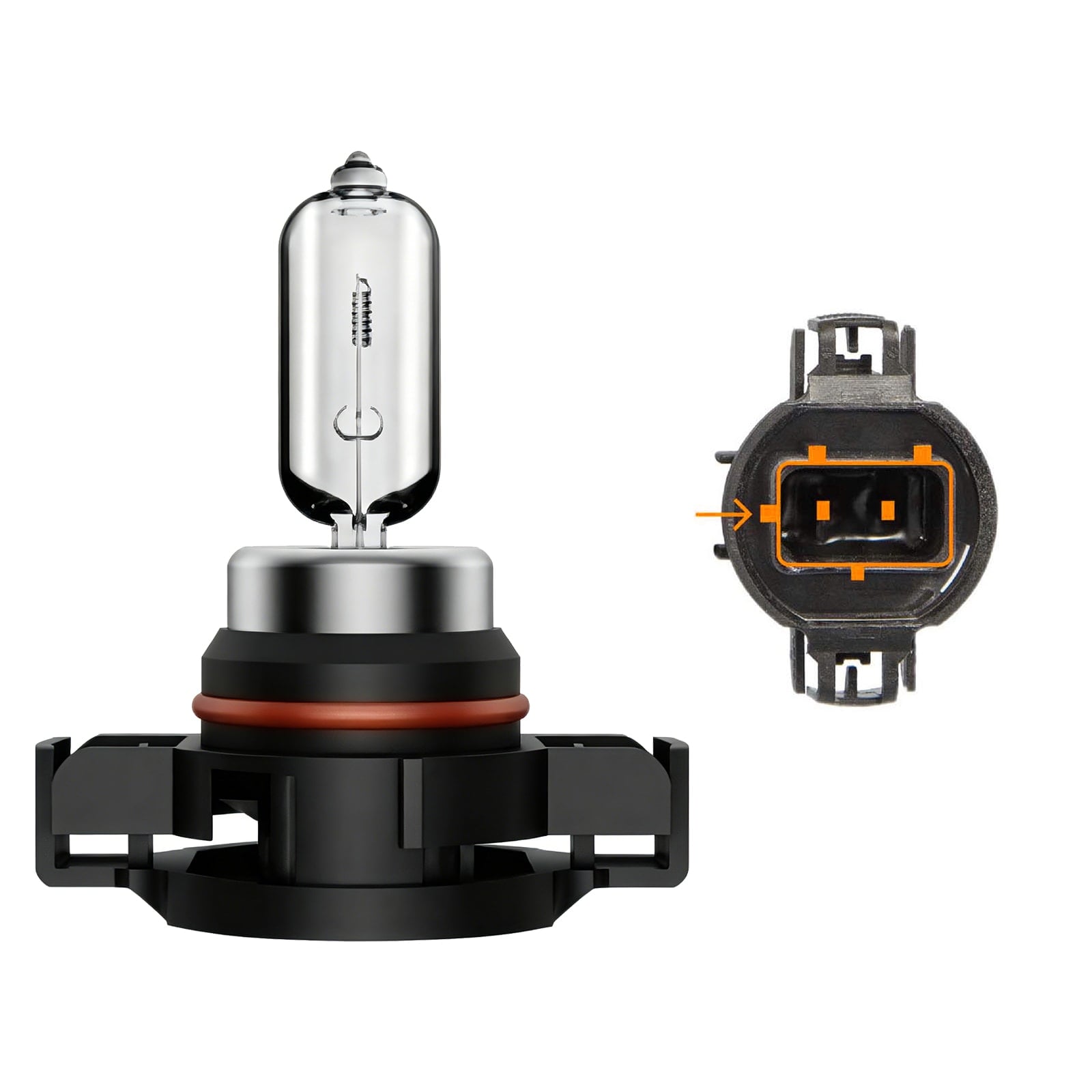
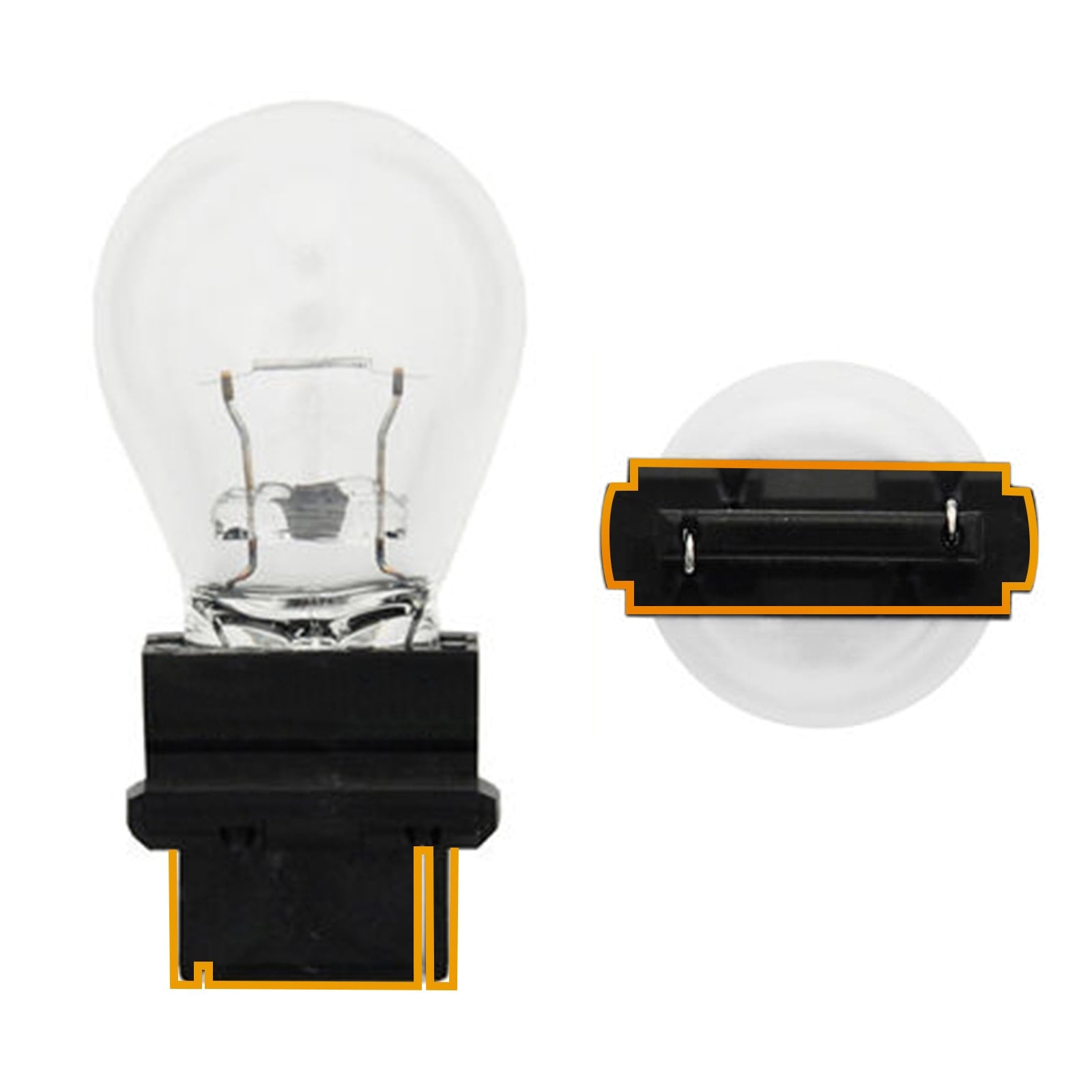
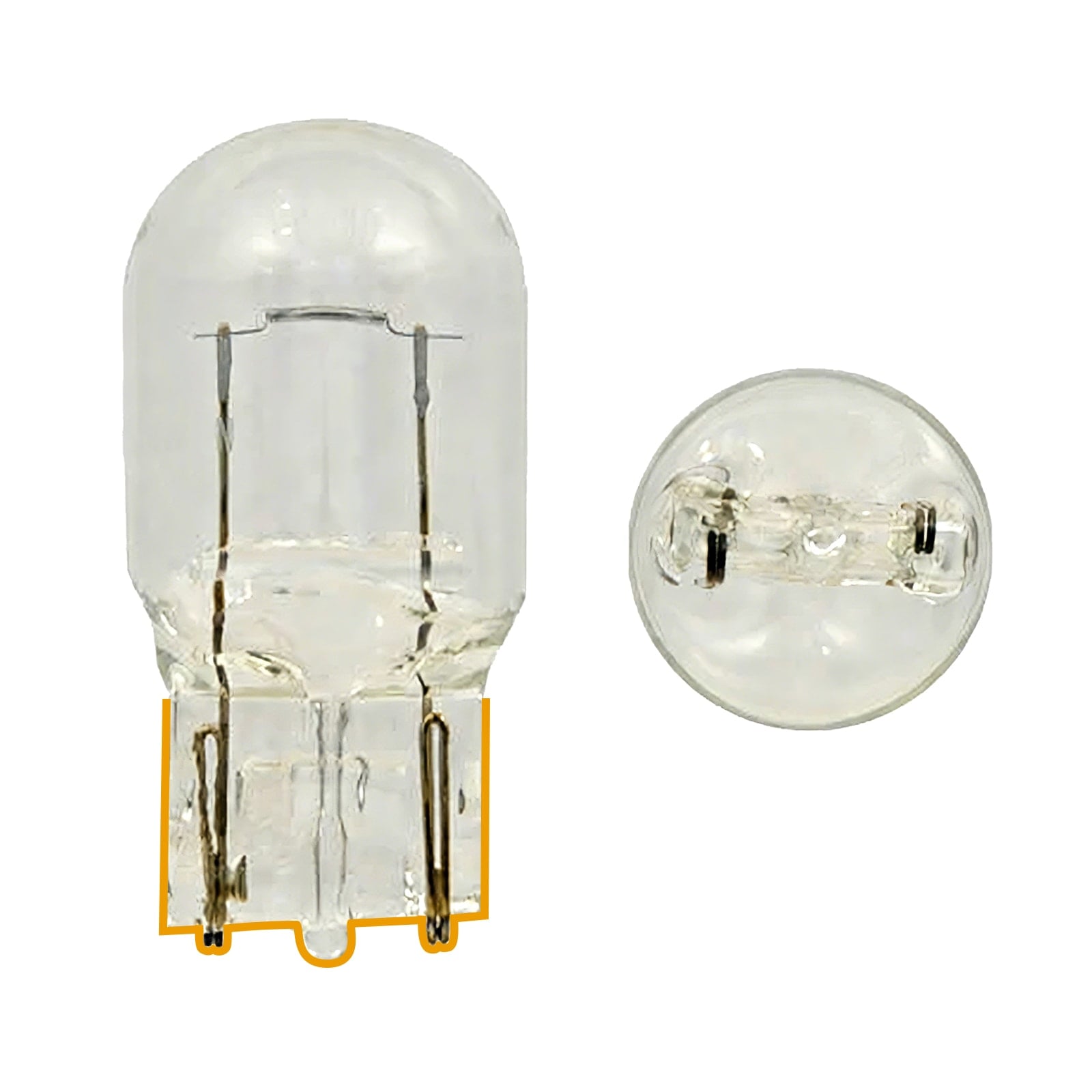
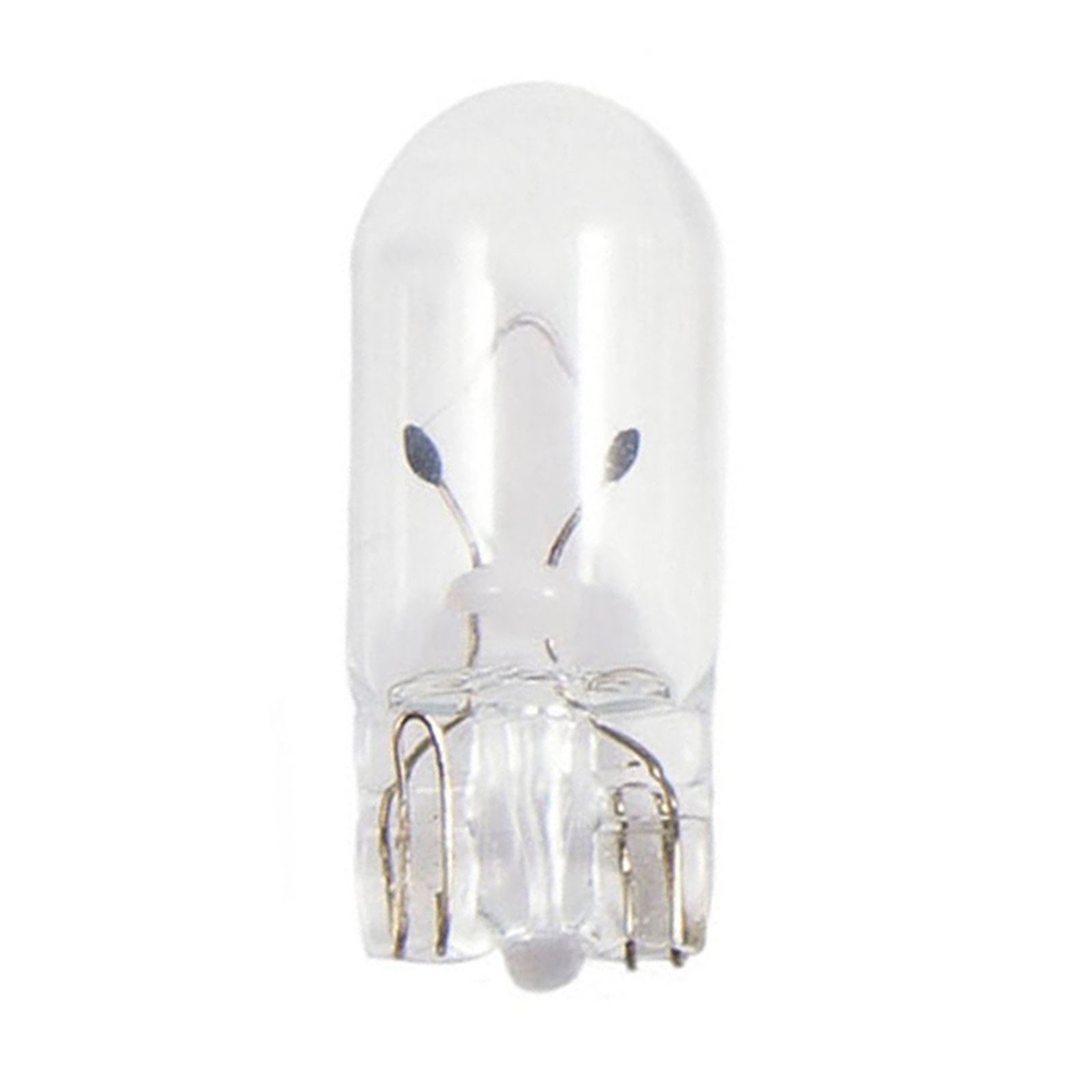
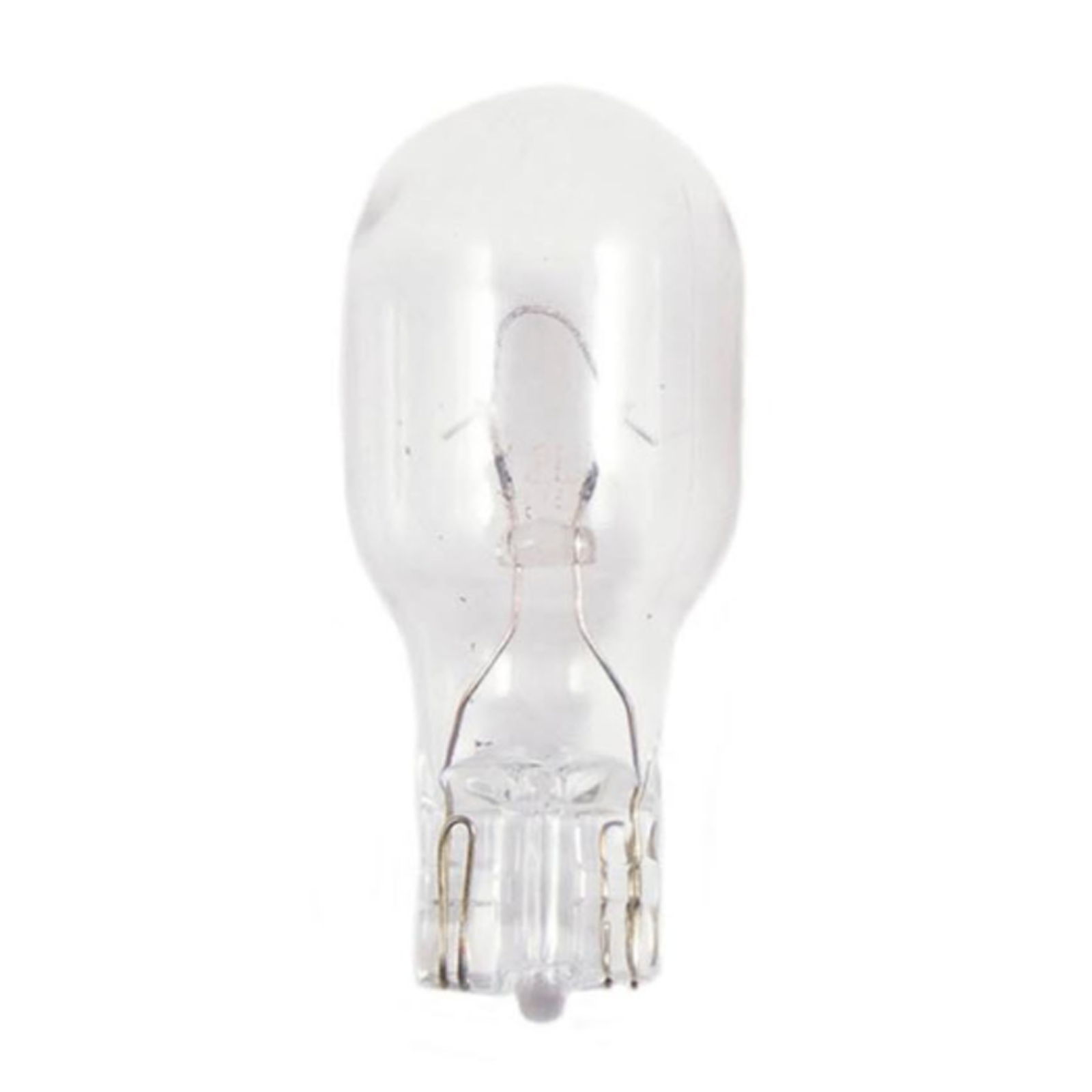




-69c35c81b5664.jpg)









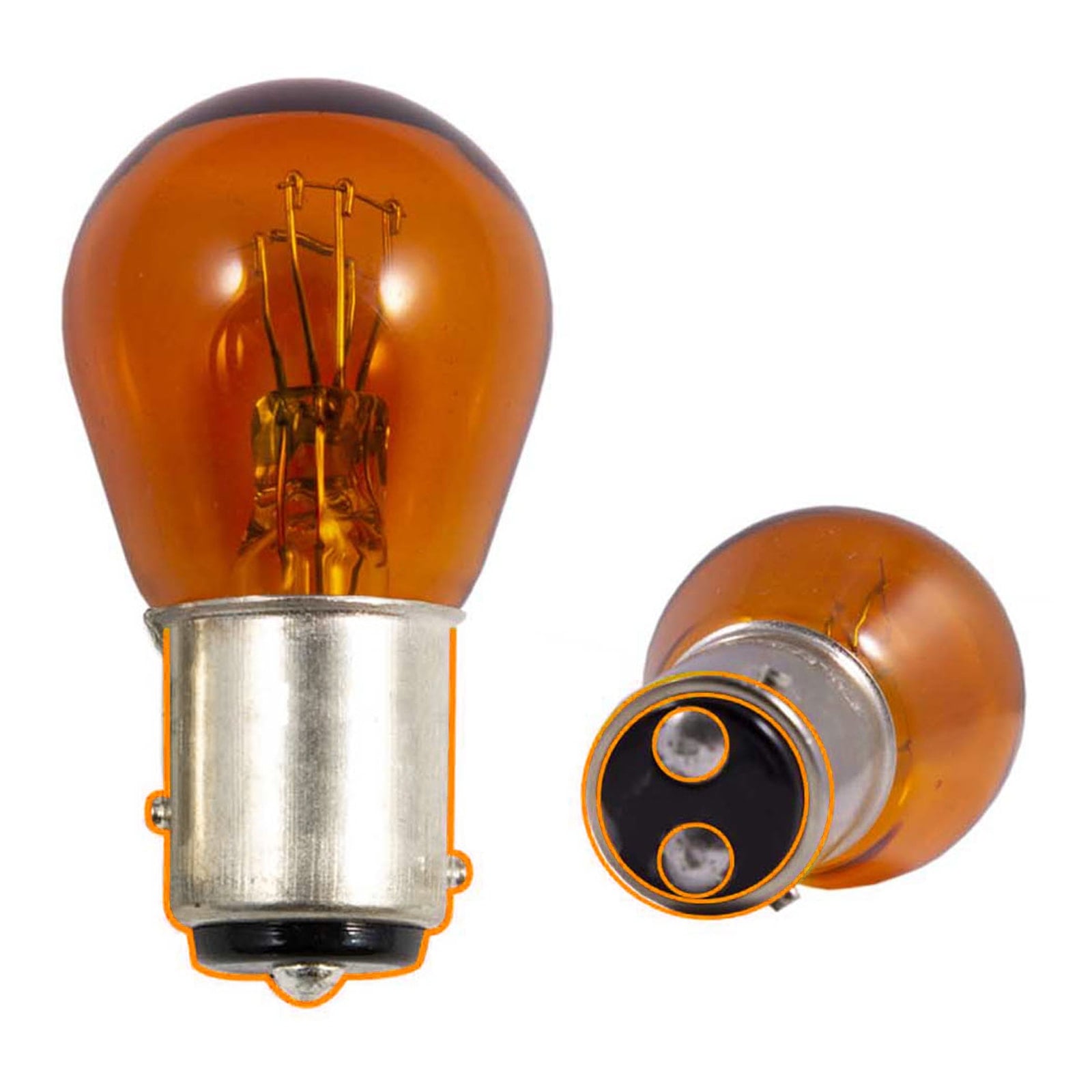
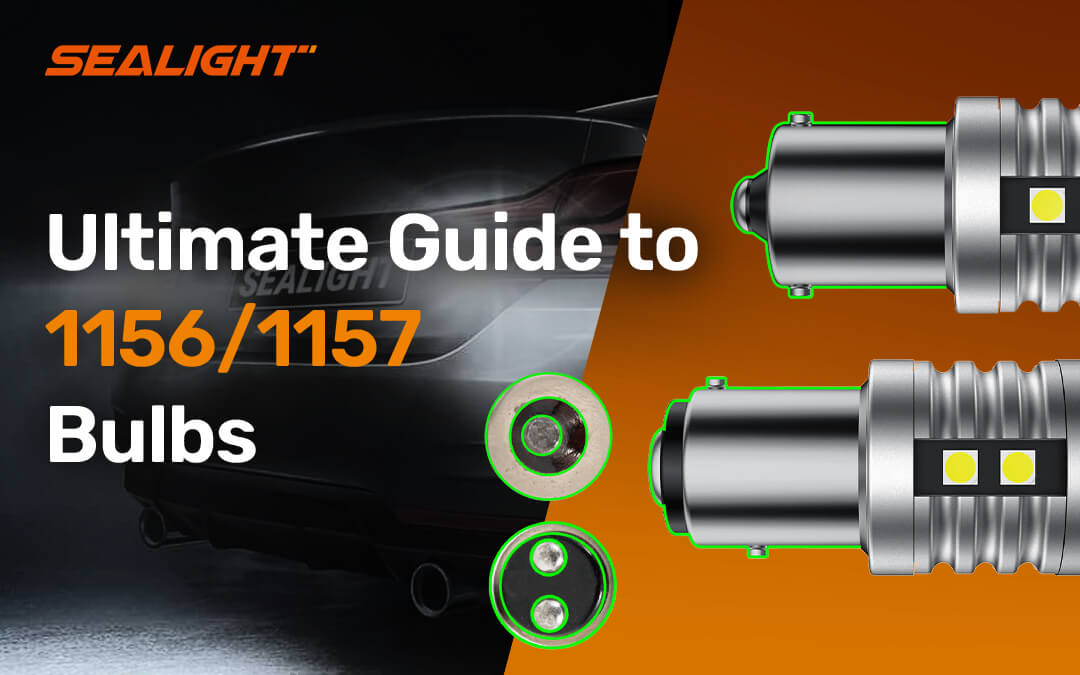
1156 and 1157 are classic bayonet-base automotive bulbs used in brake lights, tail lights, turn signals, reverse lights, parking lights, and other exterior positions. Their names are similar, but their electrical functions are different.
The simplest distinction is that 1156 is normally a single-contact, single-intensity bulb, while 1157 is normally a dual-contact, dual-intensity bulb.
Quick Comparison: 1156 vs 1157
- 1156 usually has one bottom contact and one brightness level.
- 1157 usually has two bottom contacts and two brightness levels.
- 1156 is common in reverse lights and single-function turn signals.
- 1157 is common in combined brake/tail or parking/turn-signal positions.
- The bases are related but keyed for different electrical functions.
What Is an 1156 Bulb?
1156 is a single-intensity bayonet bulb. One electrical circuit powers the lamp at one output level. It is commonly used where the socket performs only one function.
What Is an 1157 Bulb?
1157 contains two electrical circuits and can provide a dim and bright output. This allows one bulb to act as a tail light at lower intensity and a brake light at higher intensity, for example.
For LED replacements in either family, browse the 1156/1157 LED bulb collection.
1156 vs 1157: Key Differences
Contacts
1156 normally has one contact on the bottom of the base. 1157 normally has two contacts so the socket can control two output levels.
Locating Pins
The bayonet pins are arranged differently to prevent the wrong bulb from being installed easily. Forcing the wrong base can damage the socket or cause incorrect operation.
Lighting Function
1156 suits single-function positions such as many reverse lamps. 1157 suits combined functions such as brake/tail or parking/turn signals.
Can You Use 1156 Instead of 1157?
No for a normal direct replacement. An 1156 cannot provide the two independent intensity circuits expected by an 1157 socket. Likewise, an 1157 should not be forced into an 1156 socket.
LED Upgrade Considerations
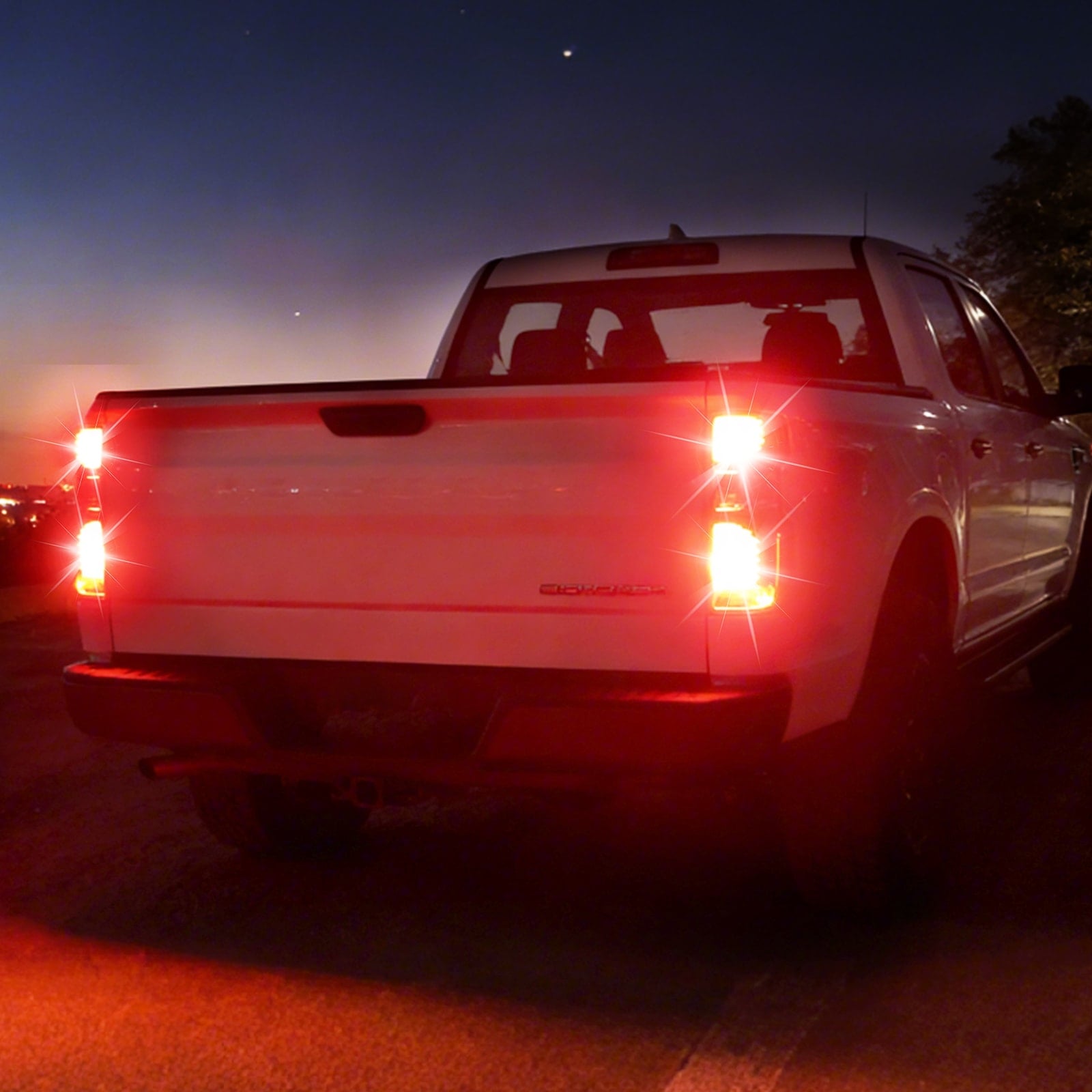
For brake and tail positions, the brake and tail light collection includes relevant LED options. For reverse-light applications, use the backup and reverse light collection.
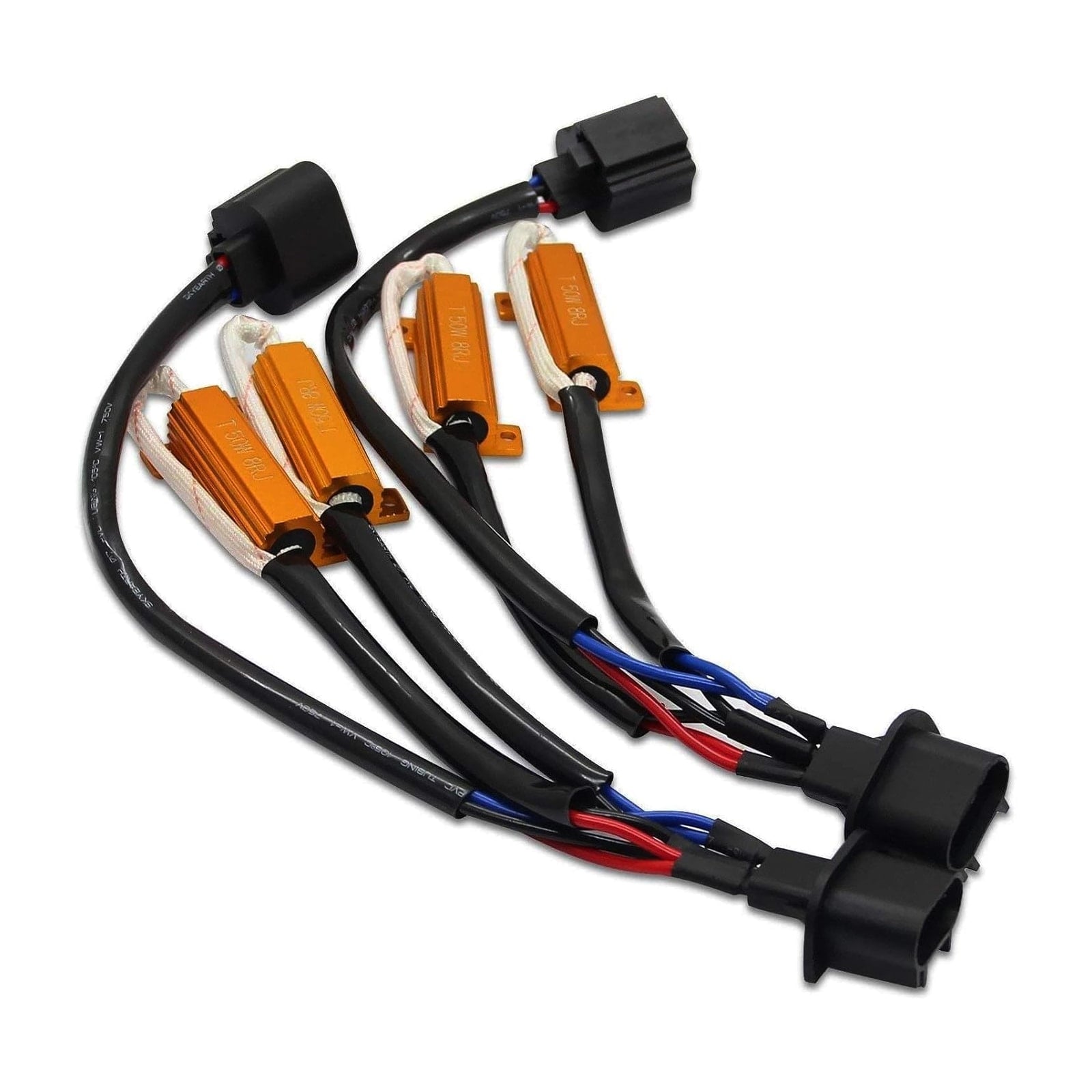
LED turn-signal replacements can trigger hyper-flash because of lower current draw. Verify whether the chosen product includes load management or whether the vehicle requires an additional resistor.
Cold-Weather and Exterior Durability
Exterior bayonet sockets can collect moisture and corrosion over time. During winter service, inspect for road salt, water intrusion, and damaged seals before installing a new bulb.
Installation Checklist
- Confirm 1156 or 1157 on the original bulb.
- Inspect the number of bottom contacts and locating pins.
- Match the LED colour to the lighting function.
- Clean corrosion from the socket before installation.
- Test every function: tail, brake, turn, or reverse as applicable.
Frequently Asked Questions
Are 1156 and 1157 interchangeable?
No. Their contact arrangements and intended electrical functions differ.
Which one has two brightness levels?
1157 normally provides two intensity levels; 1156 normally provides one.
Can I replace either with LED?
Yes, when the LED matches the exact base, contact arrangement, colour, and vehicle electronics requirements.
Final Verdict
1156 and 1157 bulbs are not direct replacements for each other. 1156 is typically single-intensity, while 1157 provides dual-intensity output for applications such as brake/tail lights. Always match the original bulb size, base, and vehicle application before upgrading to LED.
Ready to upgrade? Shop SEALIGHT Canada’s 1156/1157 LED bulbs for compatible replacements. You can also explore our Brake & Tail Light LEDs and Backup & Reverse Light LEDs for other exterior lighting applications. SEALIGHT Canada offers automotive LED lighting solutions designed to help Canadian drivers upgrade their vehicle lighting with confidence.