



 S7S 9005 H11

 Track Order
 My Vehicles
 Contact Us





-69c35c81b5664.jpg)









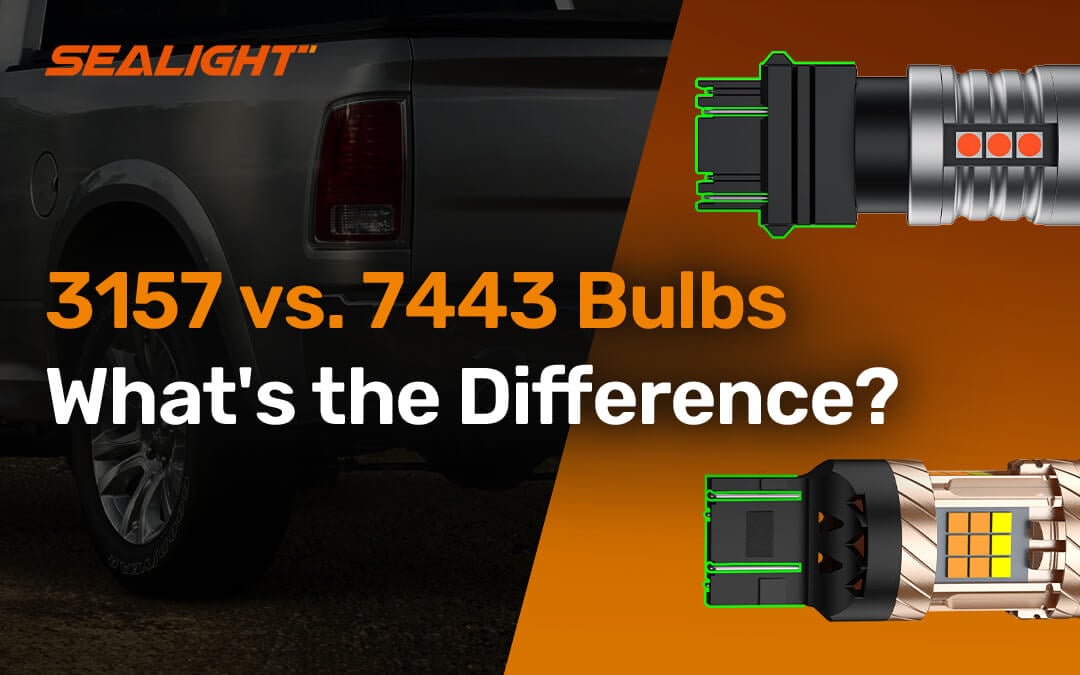
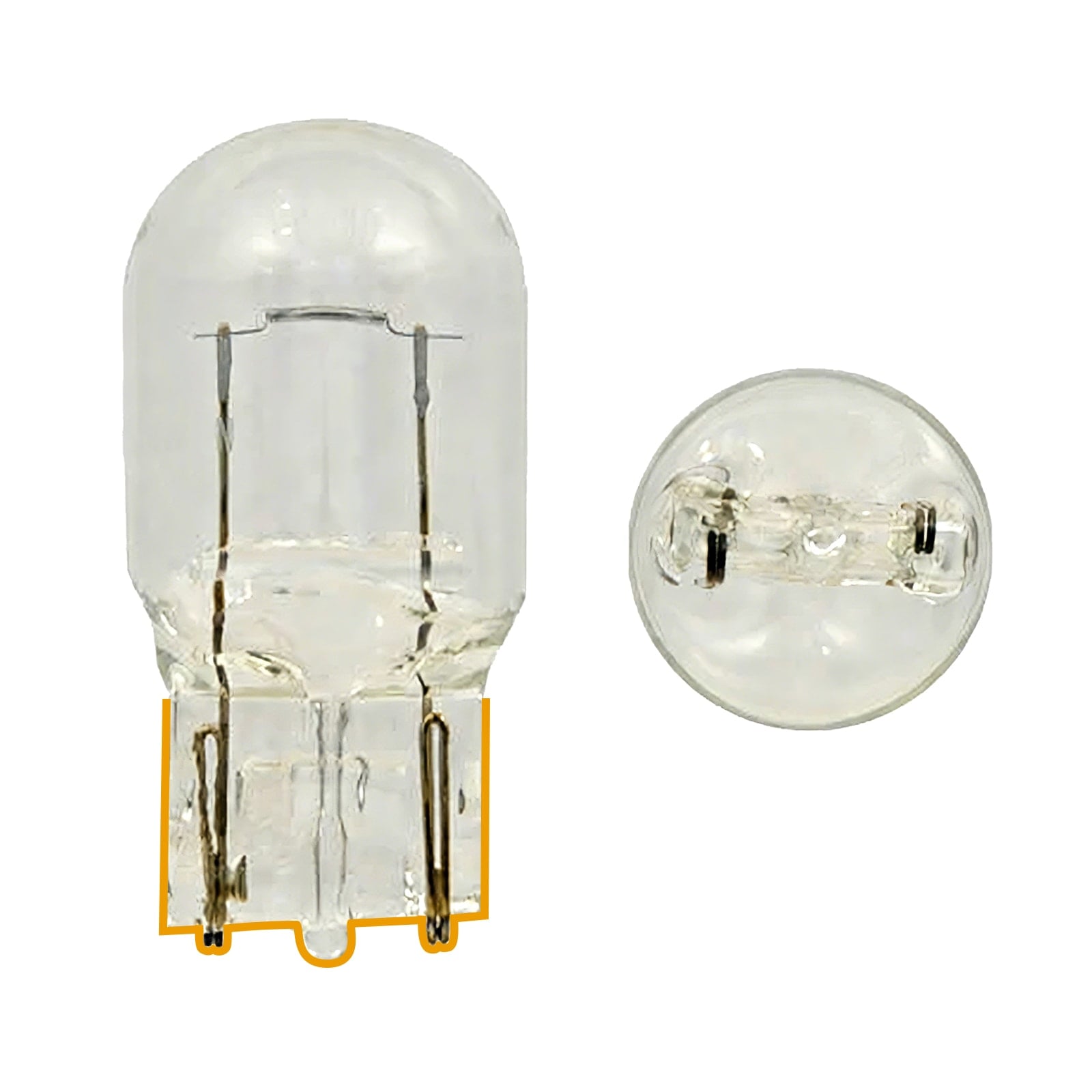
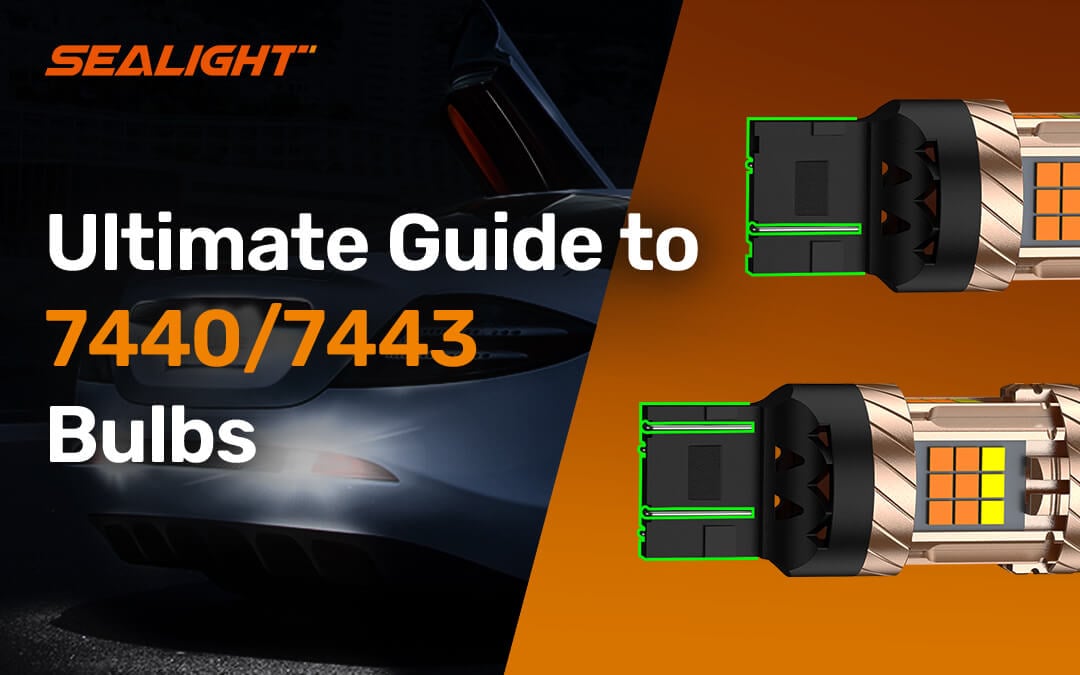
7443 and 7440 are common T20-style wedge bulbs used in brake lights, tail lights, turn signals, parking lights, reverse lights, and related exterior positions. They look similar, but their normal electrical functions differ.
7440 is generally a single-intensity bulb, while 7443 is generally a dual-intensity bulb. That distinction determines whether the socket expects one lighting level or two.
Quick Comparison: 7440 vs 7443
- 7440 usually provides one brightness level.
- 7443 usually provides two brightness levels.
- Both belong to the T20 wedge-bulb family.
- 7440 is common for reverse lights and single-function turn signals.
- 7443 is common for brake/tail or parking/turn-signal combinations.
What Is a 7440 Bulb?
7440 is a single-function T20 wedge bulb. It is commonly used where the socket needs one output level, such as a reverse light or a dedicated turn signal.
What Is a 7443 Bulb?
7443 has contacts for two intensity levels. A vehicle can use the lower level for tail or parking light and the higher level for brake or turn-signal operation.
For either family, browse the SEALIGHT 7440/7443 LED bulb collection after confirming the original bulb.
7440 vs 7443: Are They Interchangeable?
A 7443 socket may be designed to support two circuits that a 7440 cannot reproduce. Some sockets and LED products support multiple cross-references, but do not assume universal interchangeability from physical appearance alone.
What Is a CK Socket?
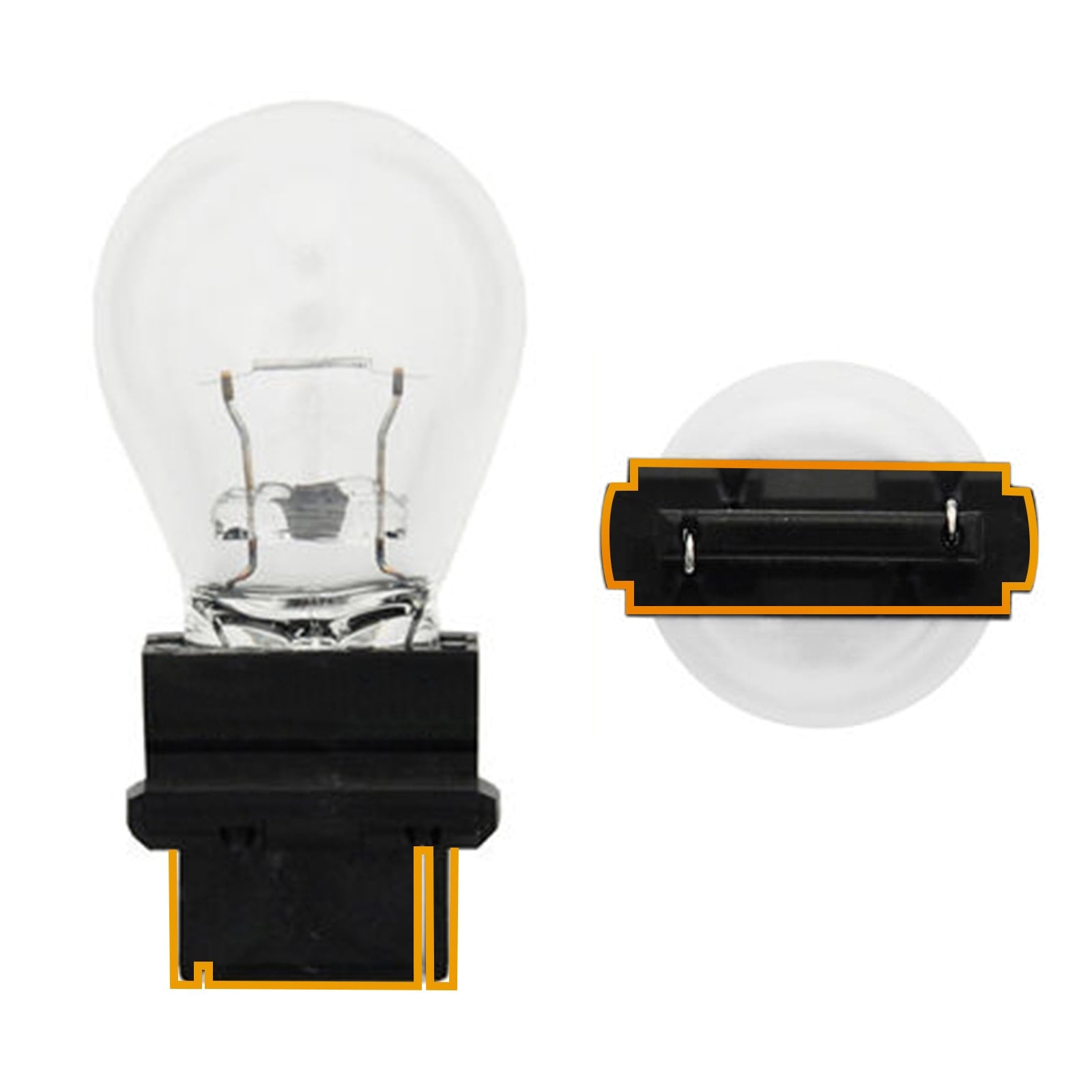
Certain dual-intensity applications use CK/SRCK contact layouts. The contact arrangement differs from a standard socket, so an LED may fit physically but fail to operate correctly if its internal wiring does not match.
Common Applications
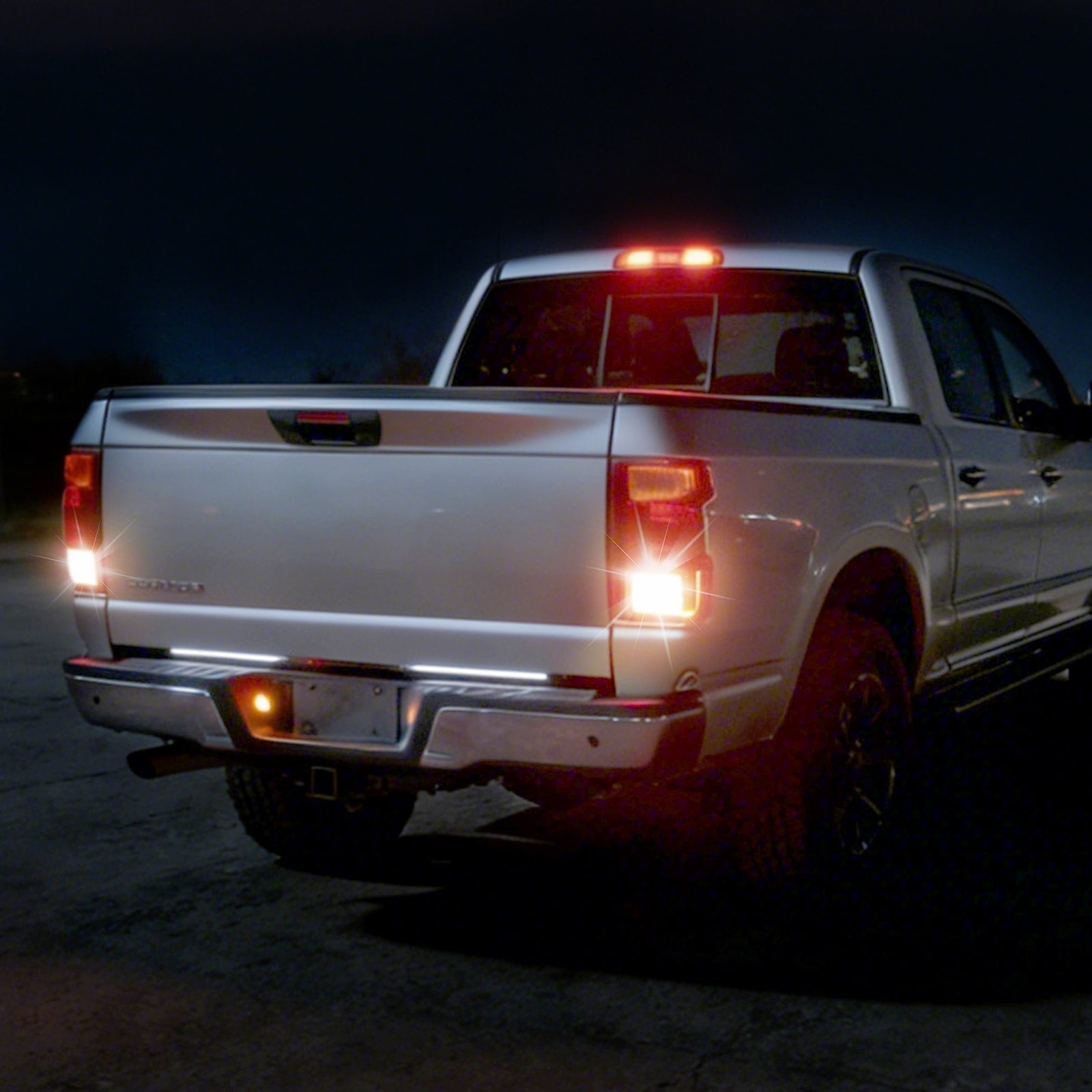
Brake and Tail Lights
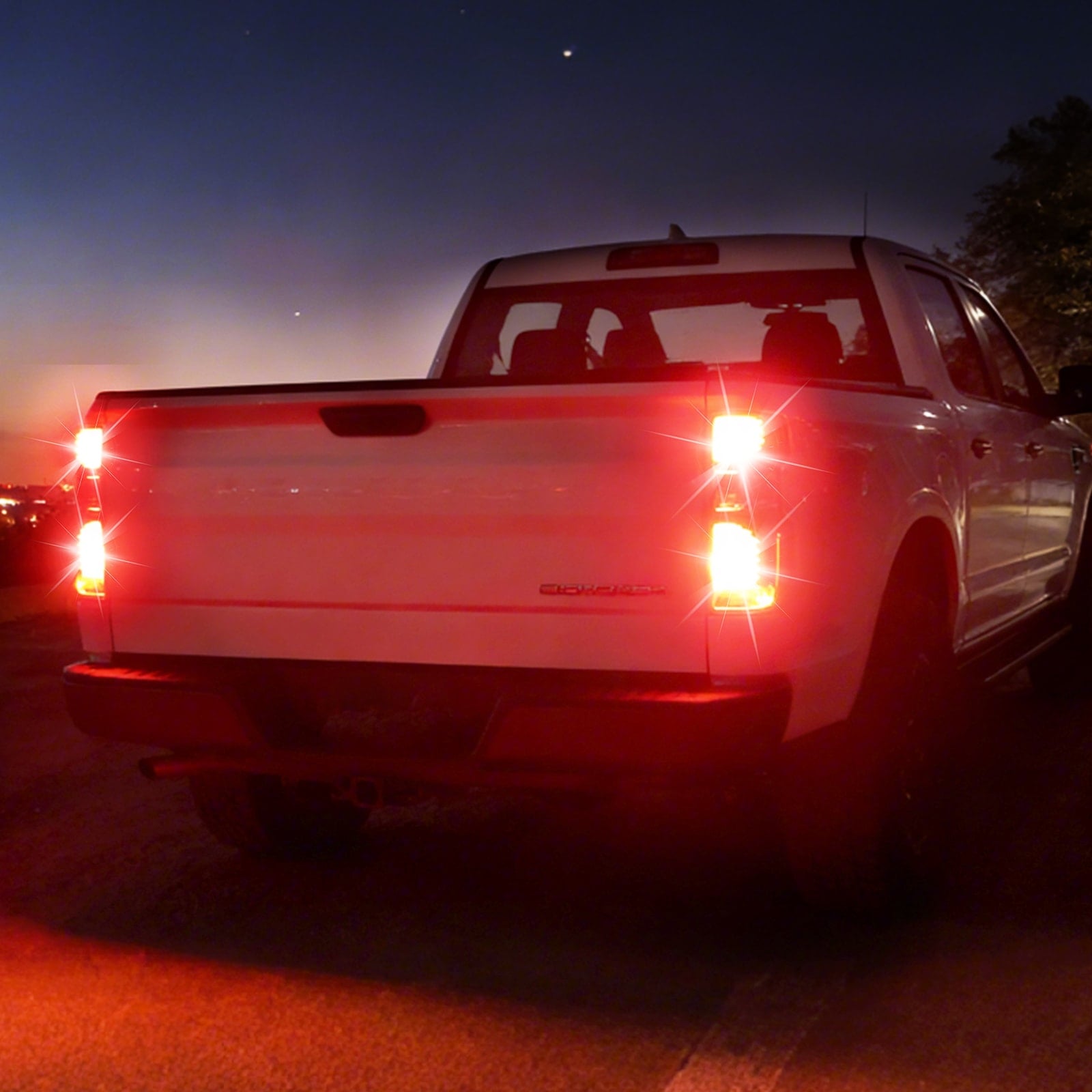
7443 is widely used where one bulb performs both tail and brake functions. Browse the SEALIGHT brake and tail light collection for compatible LED options.
Turn Signals
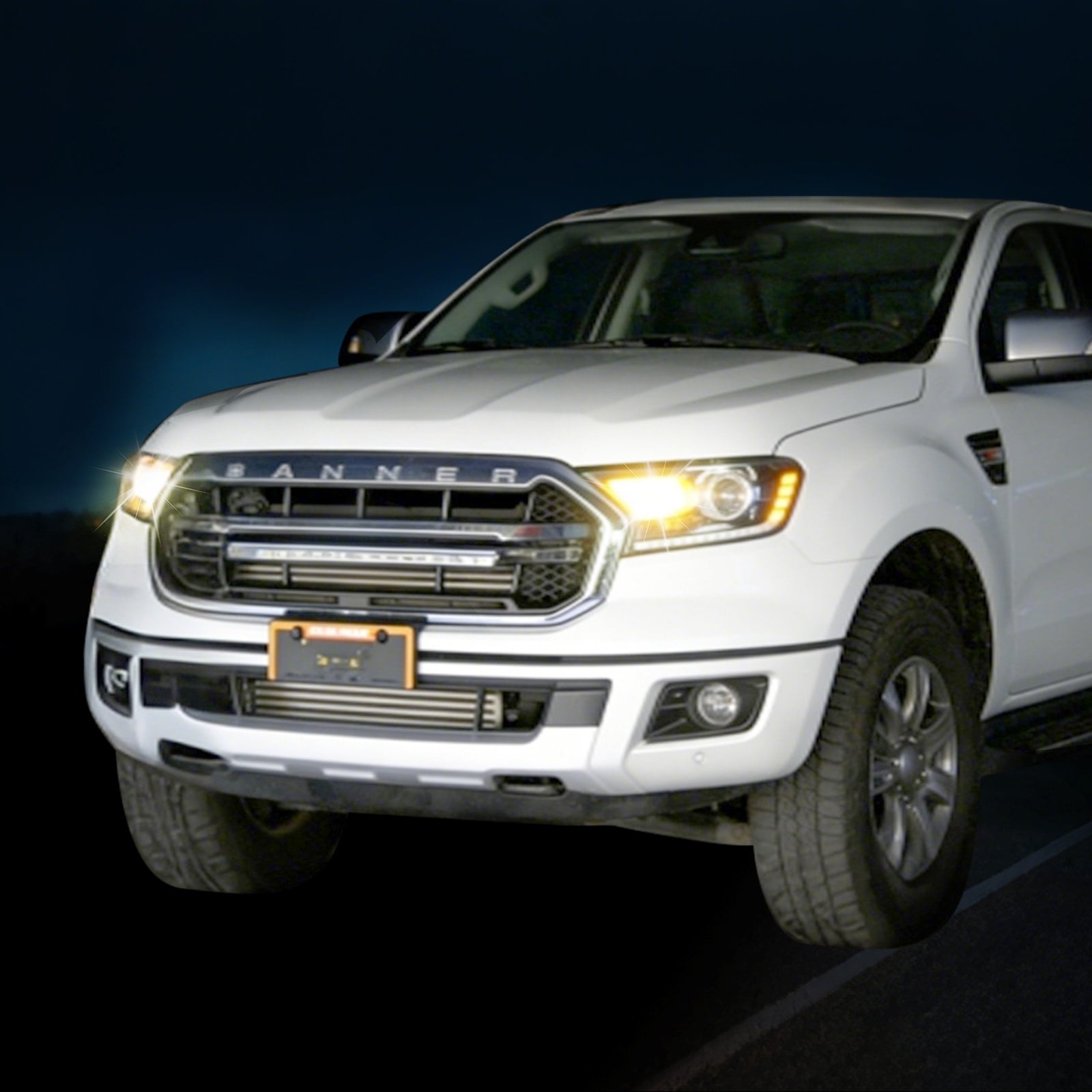
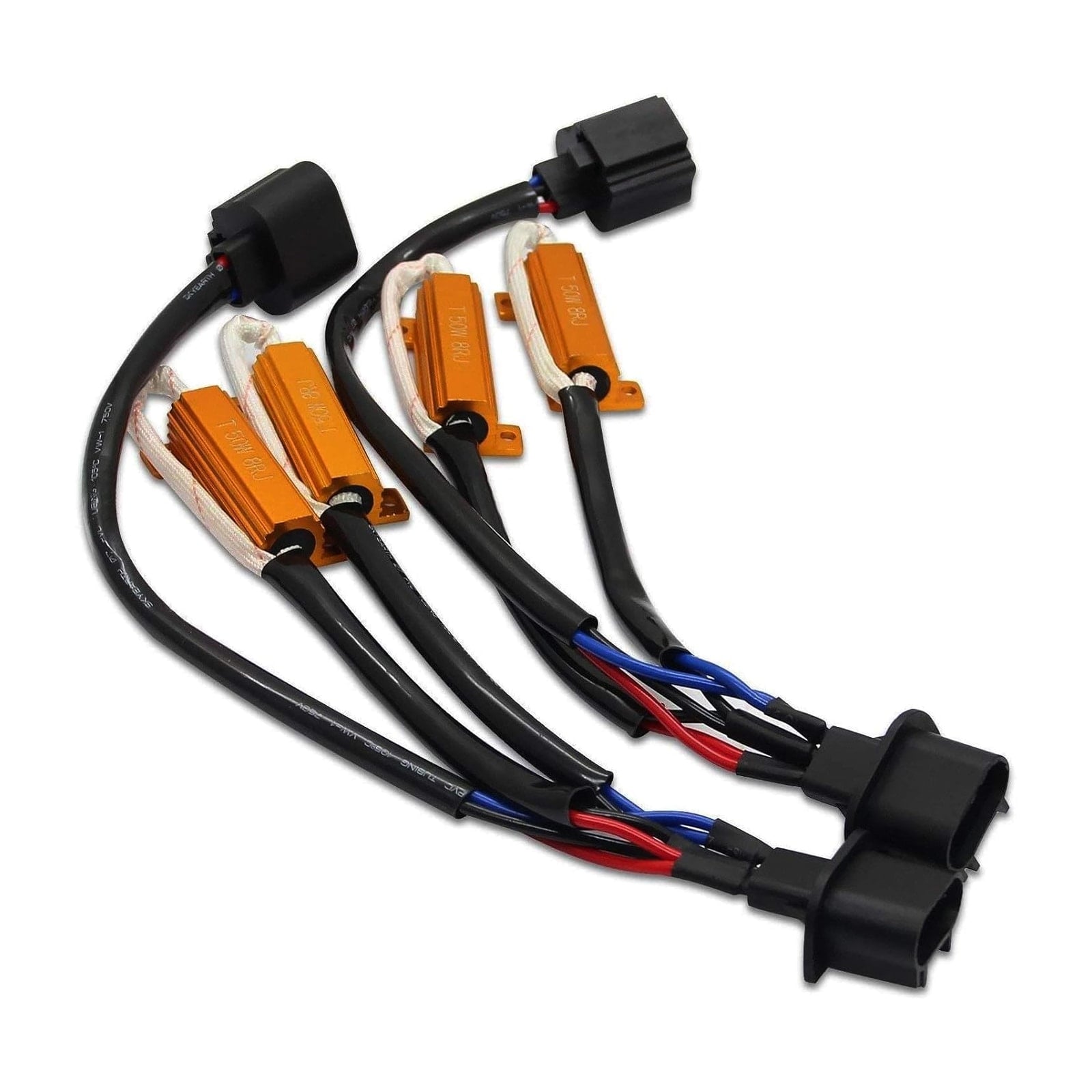
Both families can appear in turn-signal positions depending on the vehicle. LED conversion can trigger hyper-flash, so use a compatible turn signal bulb or appropriate load solution.
Reverse Lights
7440 is common in single-function reverse positions. The backup and reverse light collection includes relevant exterior LED options.
LED Upgrade Checklist
- Read 7440 or 7443 on the original bulb.
- Confirm standard or CK/SRCK socket wiring.
- Match the LED colour to the lens and function.
- Check hyper-flash compatibility for turn signals.
- Test every brightness level before reinstalling the housing.
Cold-Weather Durability
Rear lamps and signal housings are exposed to moisture, road salt, slush, and temperature swings. Keep sockets clean and inspect the housing seal when replacing bulbs, especially if corrosion is already visible.
Frequently Asked Questions
Is 7443 brighter than 7440?
They serve different electrical functions, so brightness depends on the active circuit and product. 7443 supports two intensity levels; 7440 normally supports one.
Can I use 7440 in a 7443 socket?
Do not assume so. A 7443 socket may require dual-intensity operation that a 7440 cannot provide.
Can both be replaced with LED?
Yes, when the LED matches the exact base, contact arrangement, colour, and vehicle electronics.
Final Verdict
7440 and 7443 bulbs may look nearly identical, but their electrical functions are different. A 7440 is typically used for single-intensity applications, while a 7443 is designed for dual-intensity functions such as brake/tail or parking/turn signals. Before upgrading, always confirm the original bulb number, socket type, and lighting position.
Ready to switch to LED? Browse the SEALIGHT 7440/7443 LED bulb collection to compare compatible replacement options
Find the right bulb for your vehicle, then choose the LED upgrade that matches both the socket and the lighting function.