



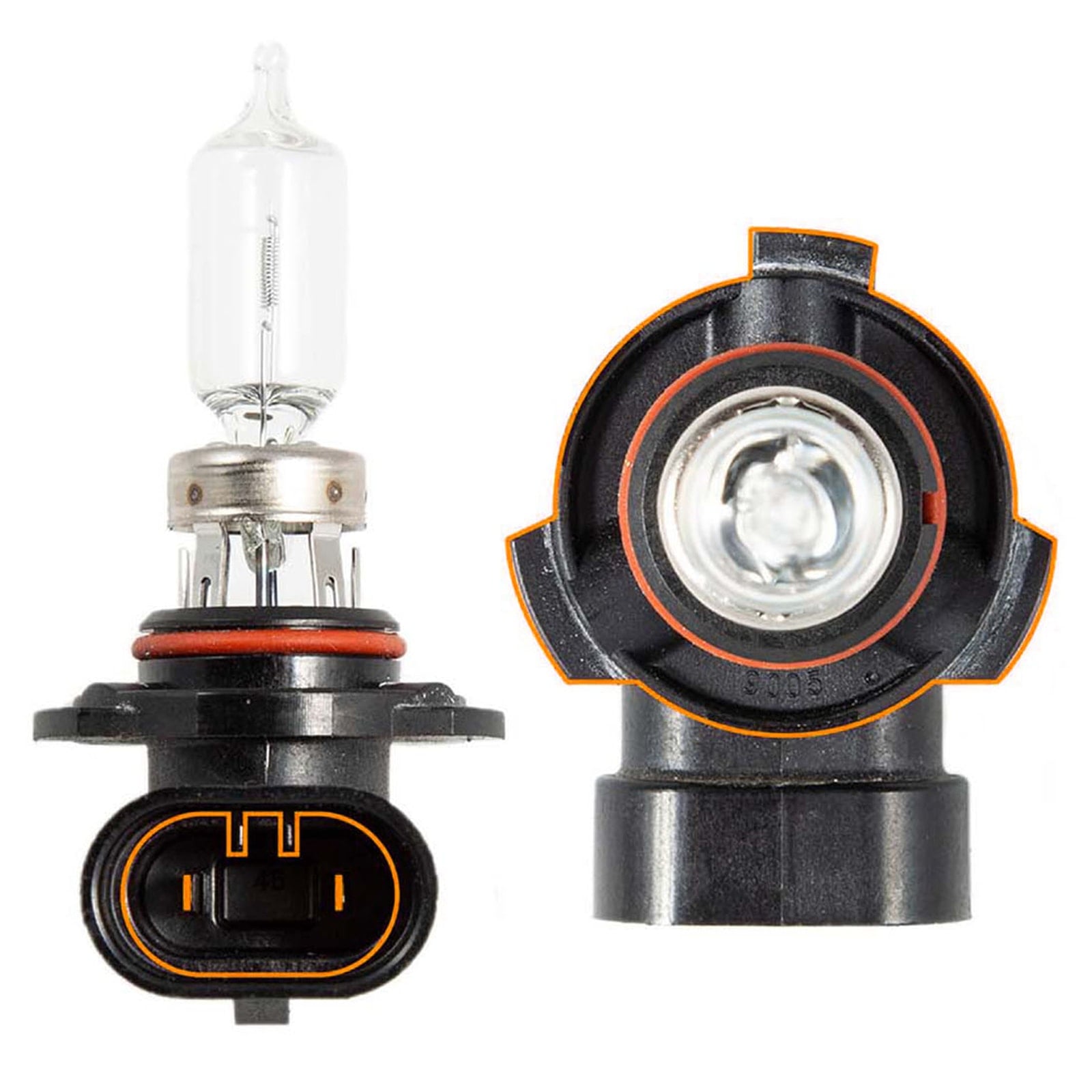
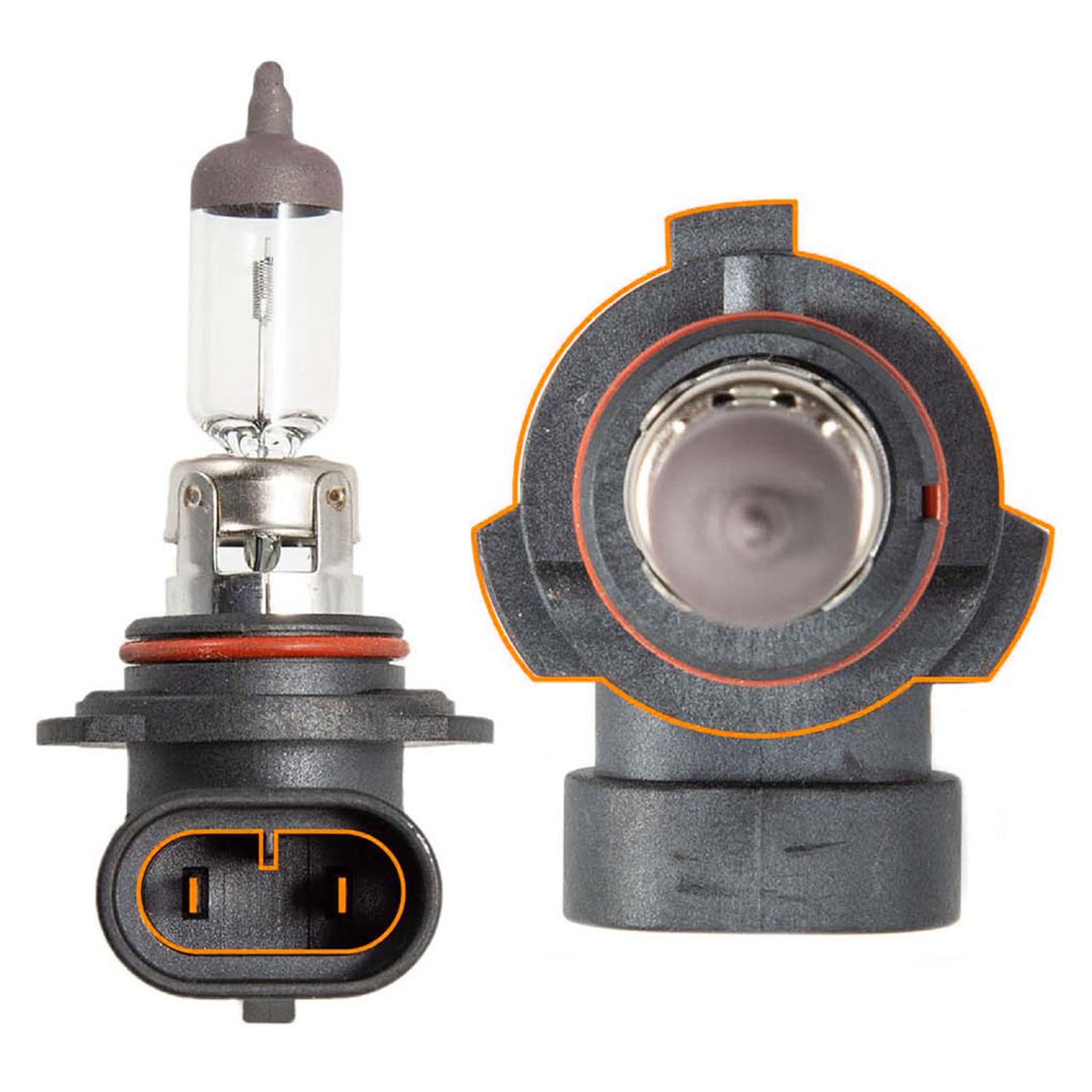
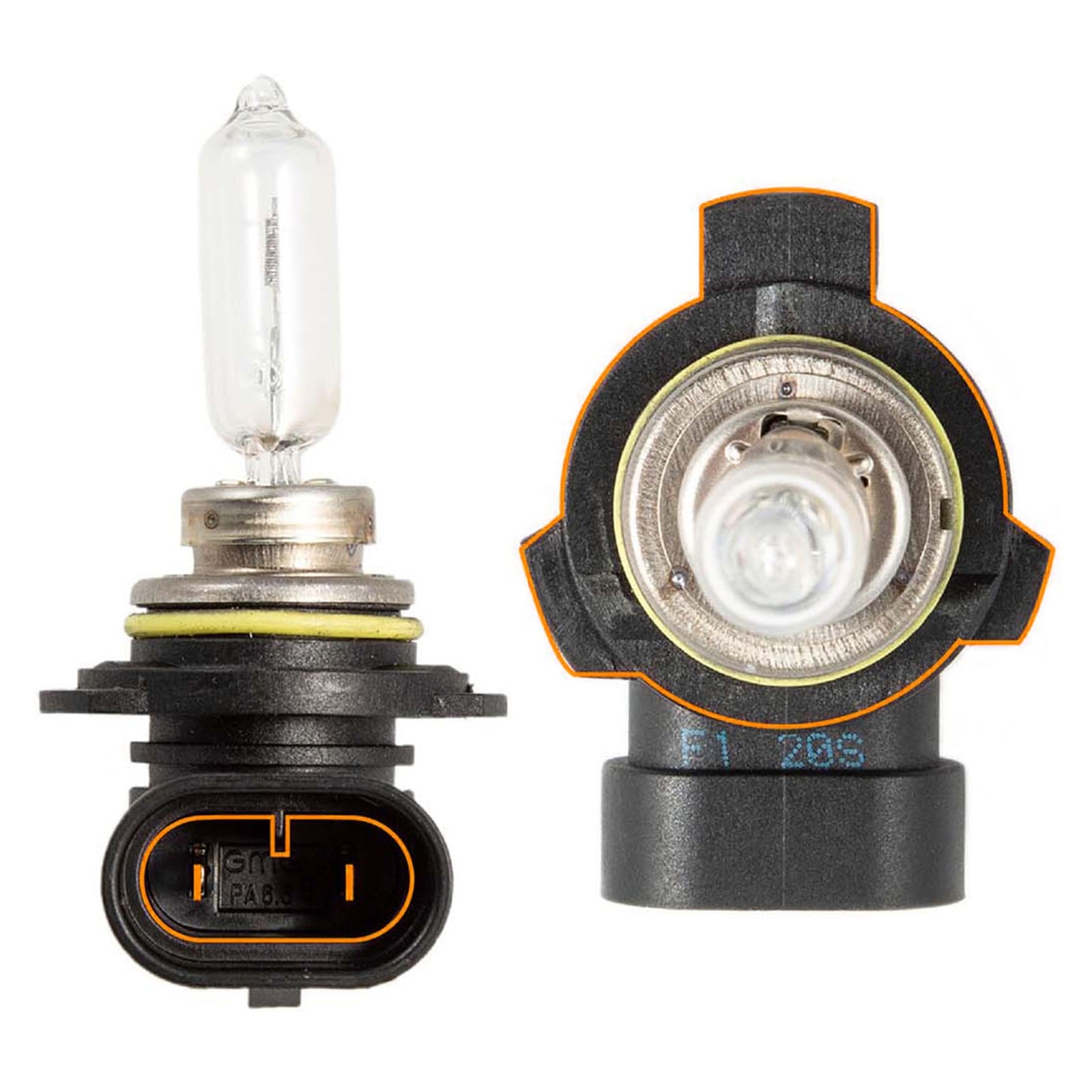
 S7S 9005 H11

 Track Order
 My Vehicles
 Contact Us





-69c35c81b5664.jpg)


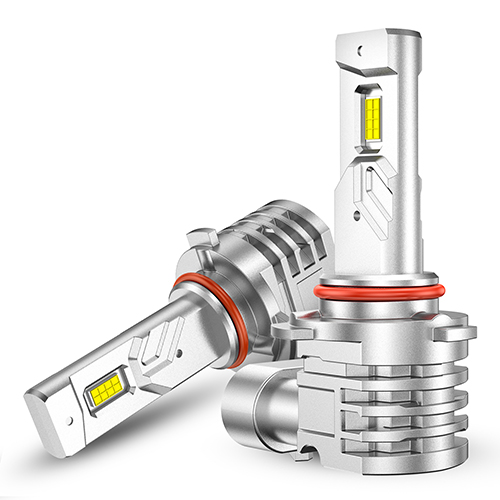
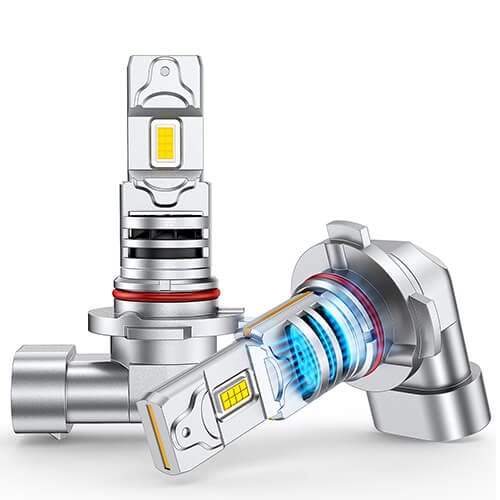

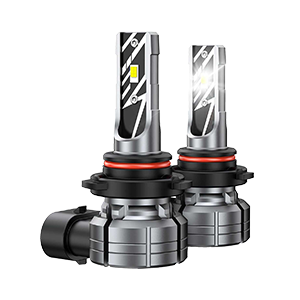






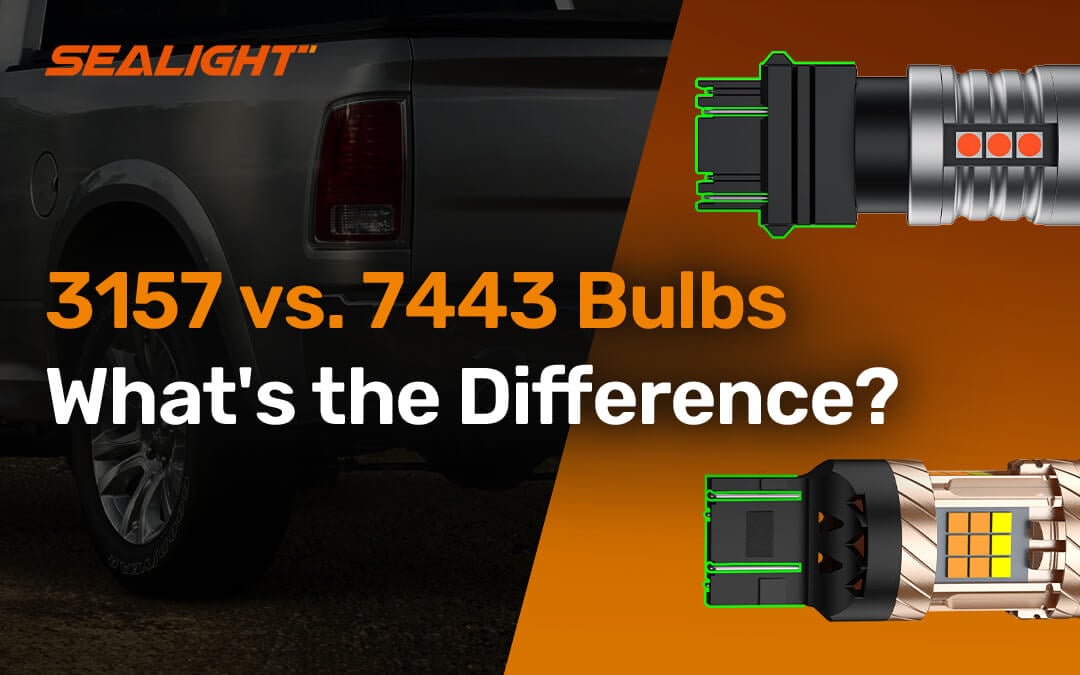
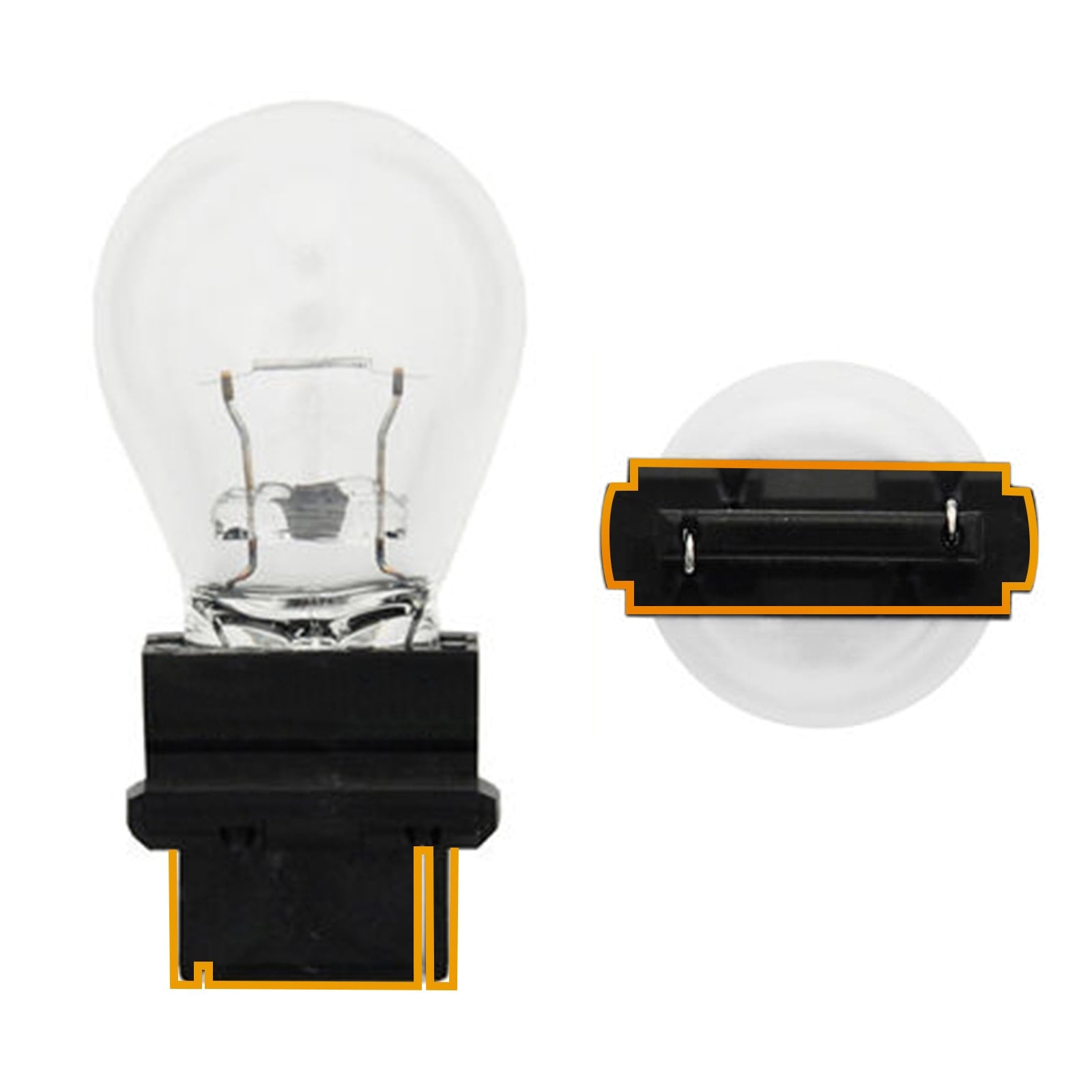
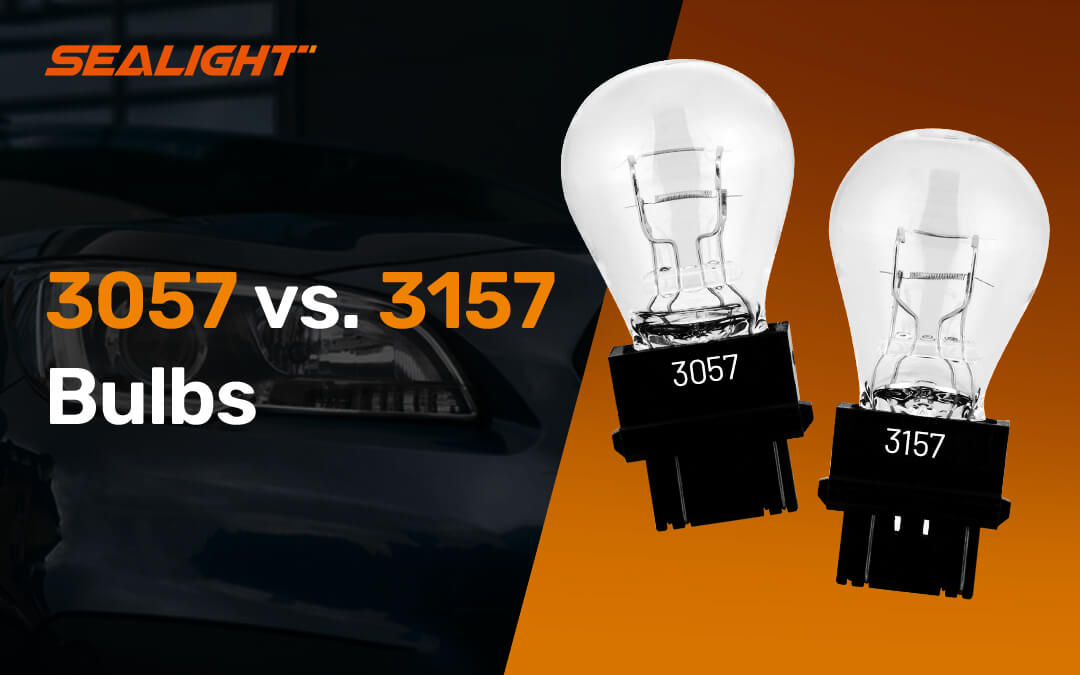
3057 and 3157 bulbs are common T25-style automotive bulbs used in brake lights, tail lights, turn signals, parking lights, daytime running lights, and other exterior positions. They share a very similar wedge base and are often listed together, which raises a common question: are 3057 and 3157 bulbs interchangeable?
In many standard applications, they can fit the same socket and perform the same dual-intensity function. Their main differences are small variations in power draw and light output, especially on the lower-intensity circuit.
Quick Answer: 3057 vs 3157
- Both commonly use the W2.5×16q wedge base.
- Both are commonly dual-intensity bulbs, supporting a dim and bright lighting function.
- The 3157 typically draws slightly more power on the low-intensity circuit.
- They are often physically interchangeable in standard sockets, although CK/SRCK socket variants require extra attention.
- Always confirm the original bulb number and socket type before replacing an exterior safety light.
What Are 3057 and 3157 Bulbs?
Both bulbs are part of the larger wedge-base family used for two-level lighting. One circuit can provide lower output for tail or parking lights, while the second circuit provides brighter output for functions such as brake or turn signals.
This dual-intensity design is why the same bulb can perform more than one job in a rear combination lamp or front parking/turn-signal housing.
For compatible replacements, the 3156/3157 LED bulb collection covers common 3057/3157-family applications.
3057 vs 3157 Technical Differences
Base and Physical Fit
Standard 3057 and 3157 bulbs share the W2.5×16q wedge-style base and are very similar in overall size. This is the main reason they can fit many of the same sockets.
Power and Brightness
Their high-intensity circuits are very close in output. The 3157 generally draws a little more power on the lower-intensity filament, making the difference most noticeable when the bulb is operating as a parking or tail light.
Single vs Dual Function
Both bulb numbers are typically associated with dual-intensity operation. When buying an LED replacement, make sure the product supports the two brightness levels required by the socket.
What Is a CK or SRCK Socket?
Some vehicles use a CK/SRCK wiring layout where the electrical contacts are arranged differently from a standard socket. A bulb can physically fit but still operate incorrectly if the LED replacement does not match the socket wiring.
If the existing bulb or vehicle fitment information identifies a CK/SRCK application, select a compatible product instead of assuming any 3157-style LED will work.
Common Applications
Brake and Tail Lights
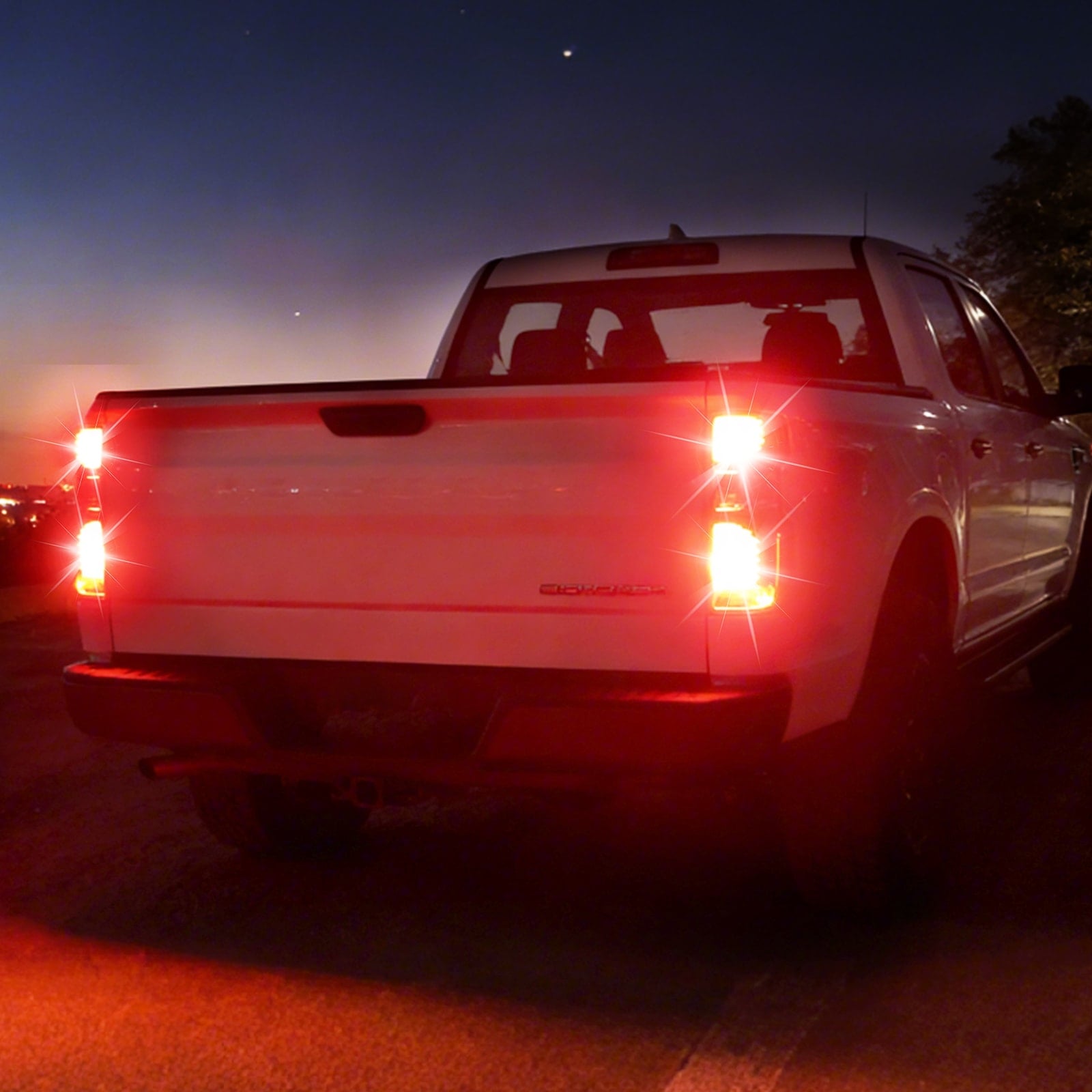
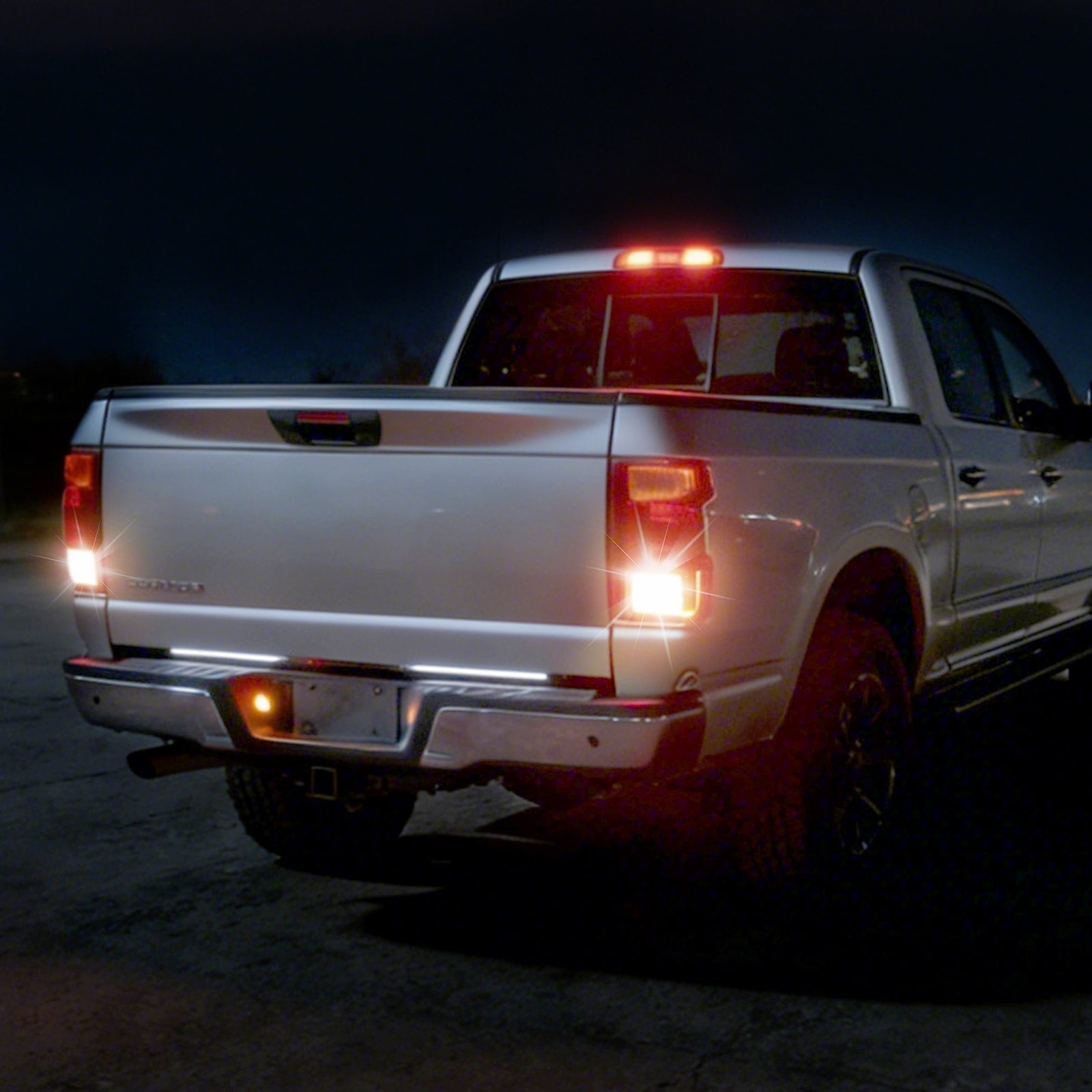
3057 and 3157 bulbs are frequently used in brake and tail-light assemblies. Browse the SEALIGHT brake and tail light collection after confirming the bulb number and required colour.
Turn Signals
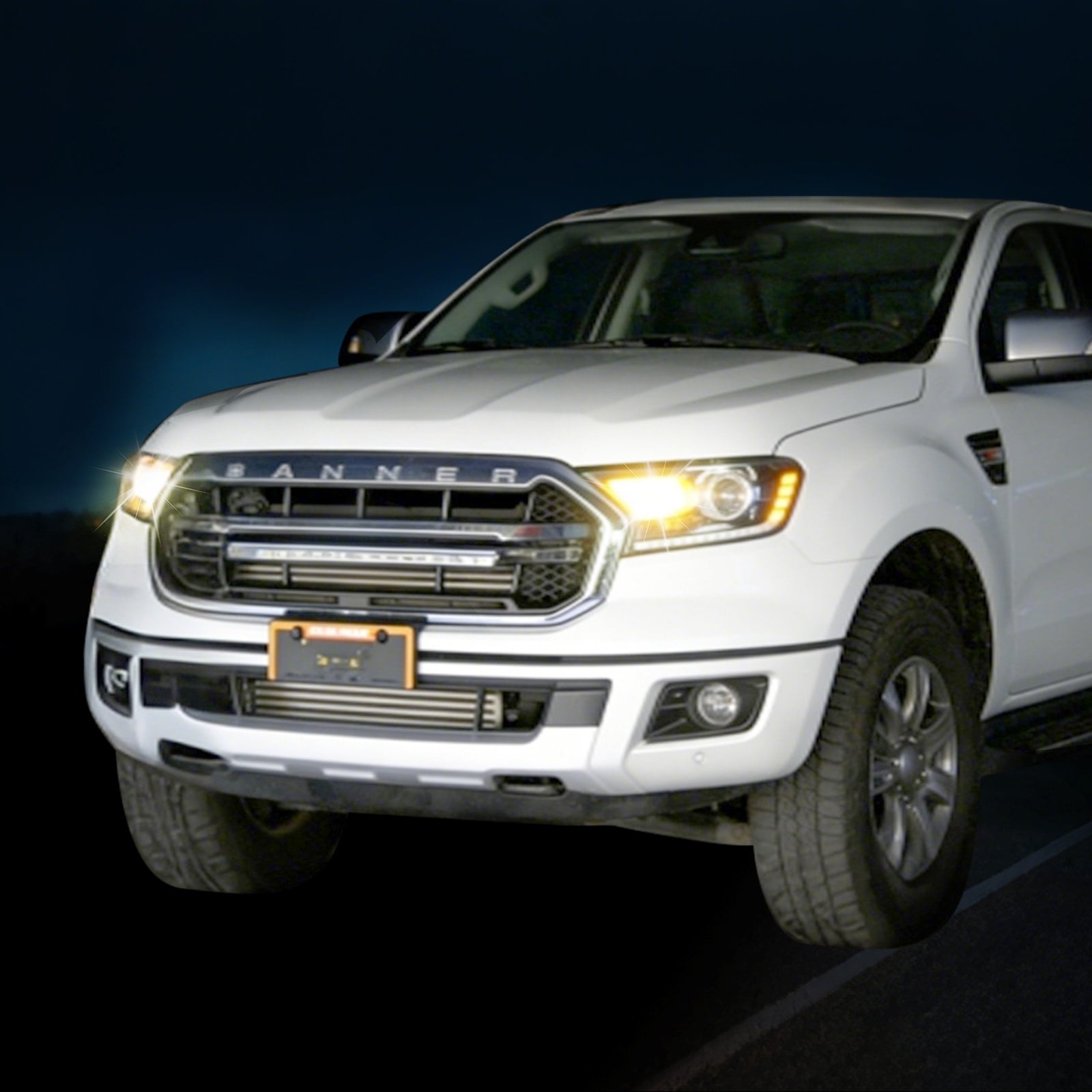
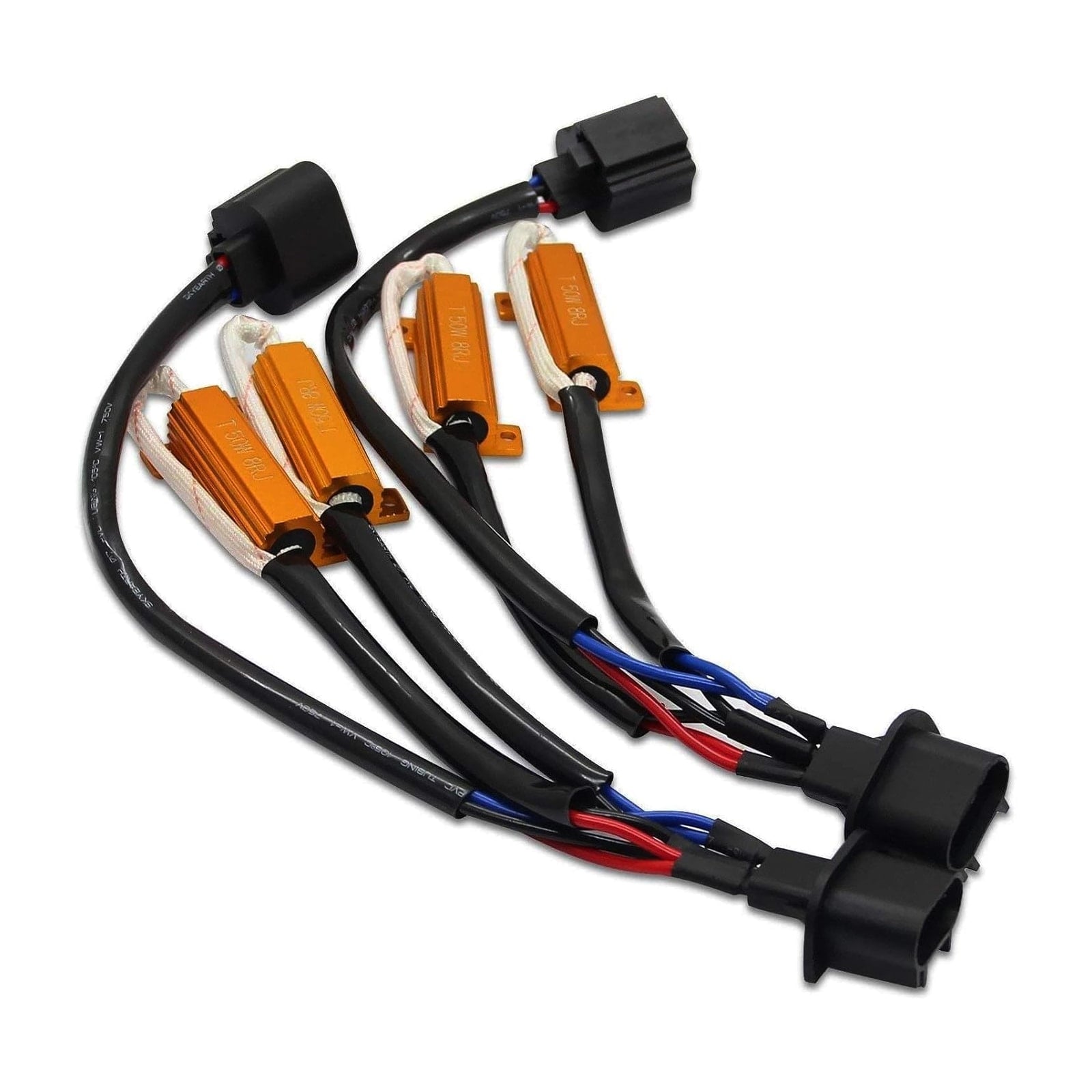
The same bulb family is also widely used for turn signals. If an LED conversion causes hyper-flash, the vehicle may be reacting to the lower electrical load. The turn signal light collection includes LED options designed for signal applications.
DRL and Parking Lights
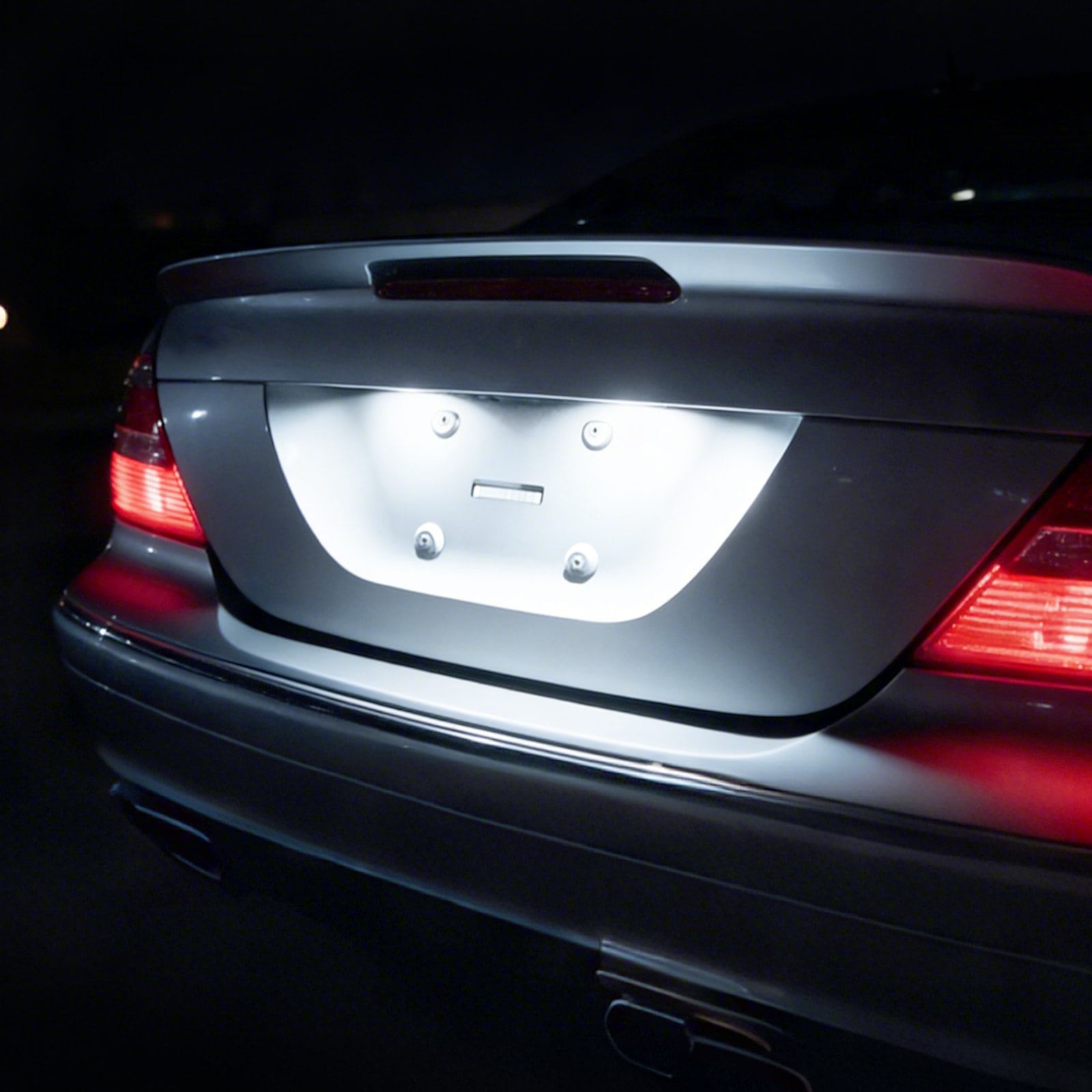
Some vehicles use 3057/3157-family bulbs for daytime running lights or parking lamps. Confirm whether the position needs white, amber, red, or switchback output.
Can I Replace 3057 With 3157?
In many standard sockets, a 3157 can replace a 3057 because the base and dual-intensity functions are compatible. The small wattage difference generally does not create a major functional change in a standard incandescent application.
Before swapping, confirm the socket is not a CK/SRCK variant and make sure the vehicle manufacturer does not specify a different bulb for thermal or electrical reasons.
Should You Upgrade to LED?
LED replacements can offer quicker illumination, lower power draw, strong colour output, and longer service life. For brake lights, faster response can make the signal reach full brightness more quickly. For turn signals, electronic compatibility matters because a low-resistance LED can trigger hyper-flash.
In winter climates, exterior bulbs are exposed to moisture, road salt, slush, and large temperature swings. Keep sockets clean and make sure the housing seal remains intact during replacement.
How to Choose the Right Bulb
- Check the bulb number on the existing lamp or in the owner's manual.
- Confirm standard vs CK/SRCK socket wiring.
- Match the LED colour to the lens and lighting function.
- For turn signals, verify hyper-flash or CANbus compatibility.
- Test both low- and high-intensity functions before closing the housing.
Frequently Asked Questions
Are 3057 and 3157 bulbs interchangeable?
They are interchangeable in many standard applications because they share the same common wedge base and dual-intensity design. CK/SRCK socket variants and vehicle-specific requirements can change compatibility.
Which is brighter, 3057 or 3157?
The 3157 is typically slightly brighter on the low-intensity circuit because it draws a little more power. High-intensity output is very similar.
Can I use a 3157 LED in a 3057 socket?
Often yes if the LED product supports 3057/3157 cross-references and the socket wiring matches. Confirm CK/SRCK compatibility before installing.
What colour LED should I use?
Match the bulb colour to the intended function and lens design. Red is commonly used behind red brake/tail lenses, amber for turn signals, and white for reverse or certain DRL applications.
Final Verdict
3057 and 3157 bulbs are closely related dual-intensity wedge bulbs and can be used interchangeably in many standard sockets. The 3157 generally has slightly higher low-intensity output, while the practical fit and function are otherwise very similar. Confirm the socket type, original bulb number, and lighting function before choosing an incandescent or LED replacement.