



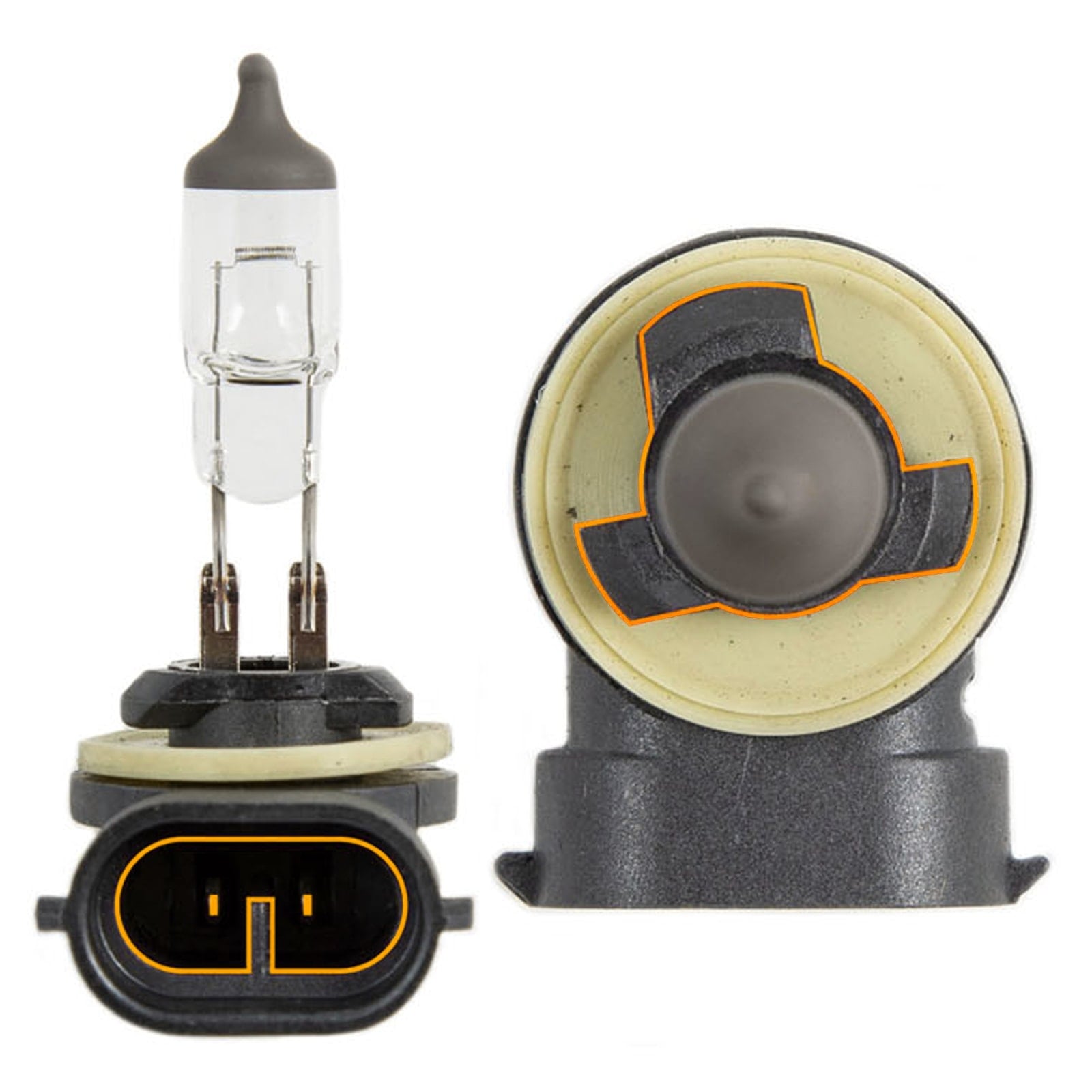
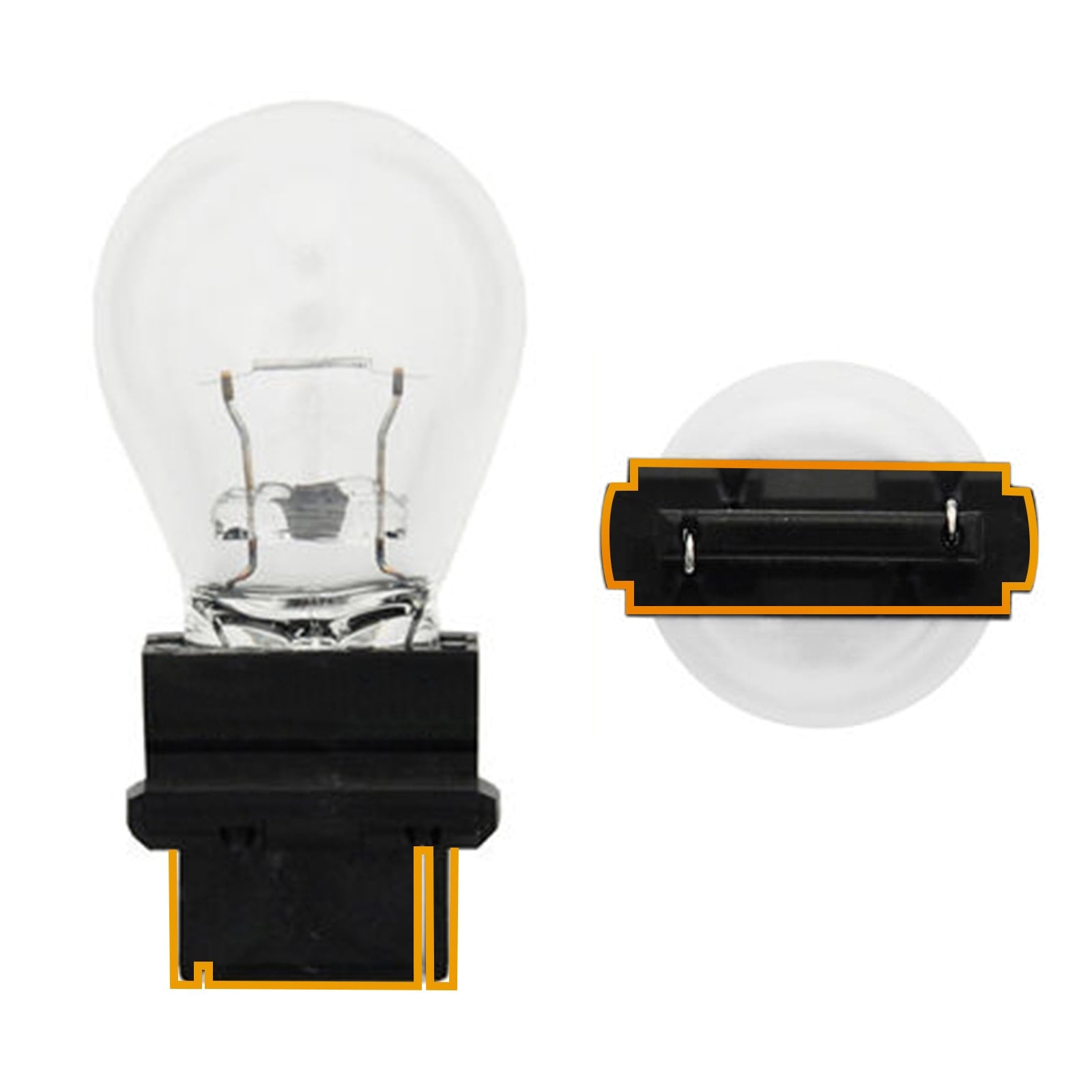
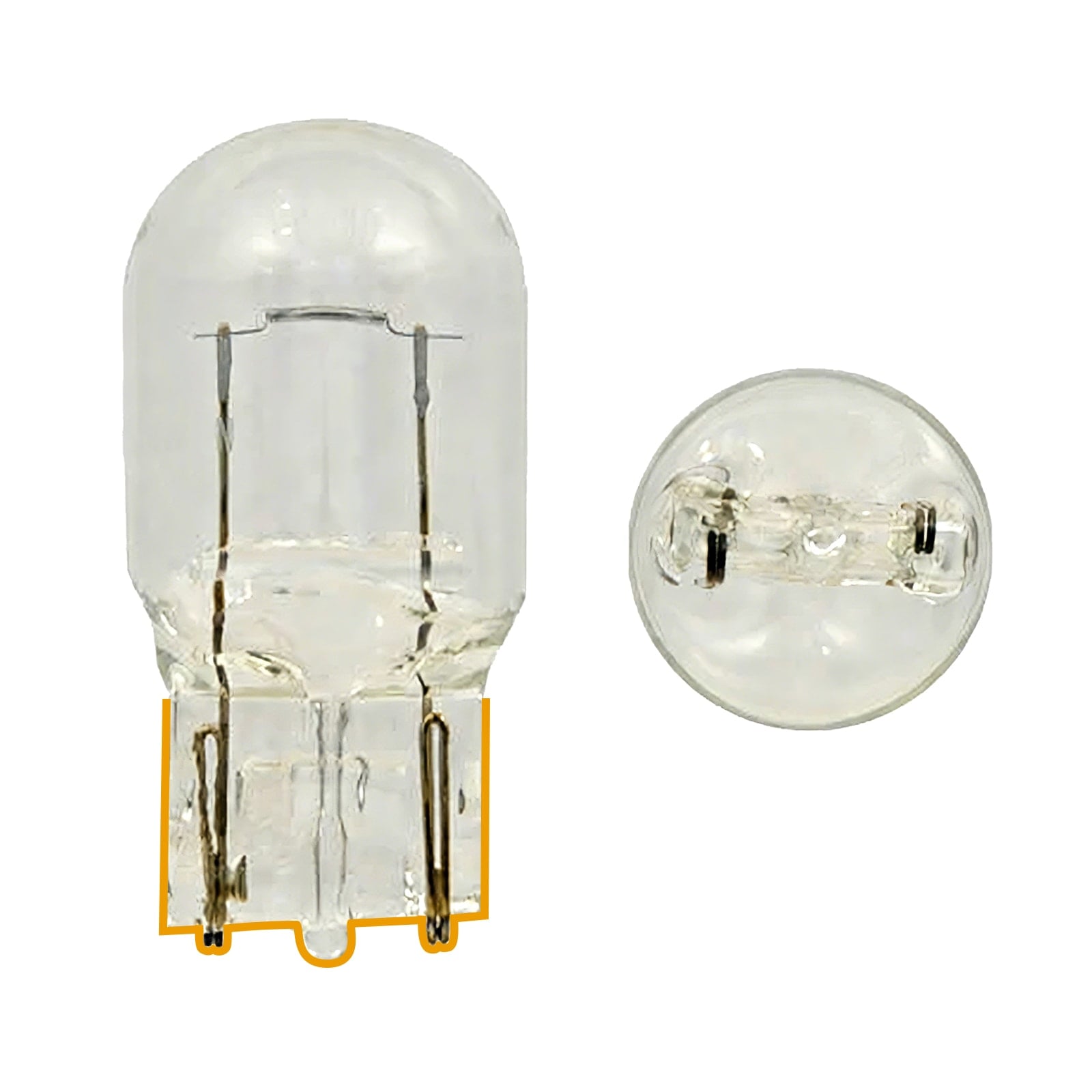
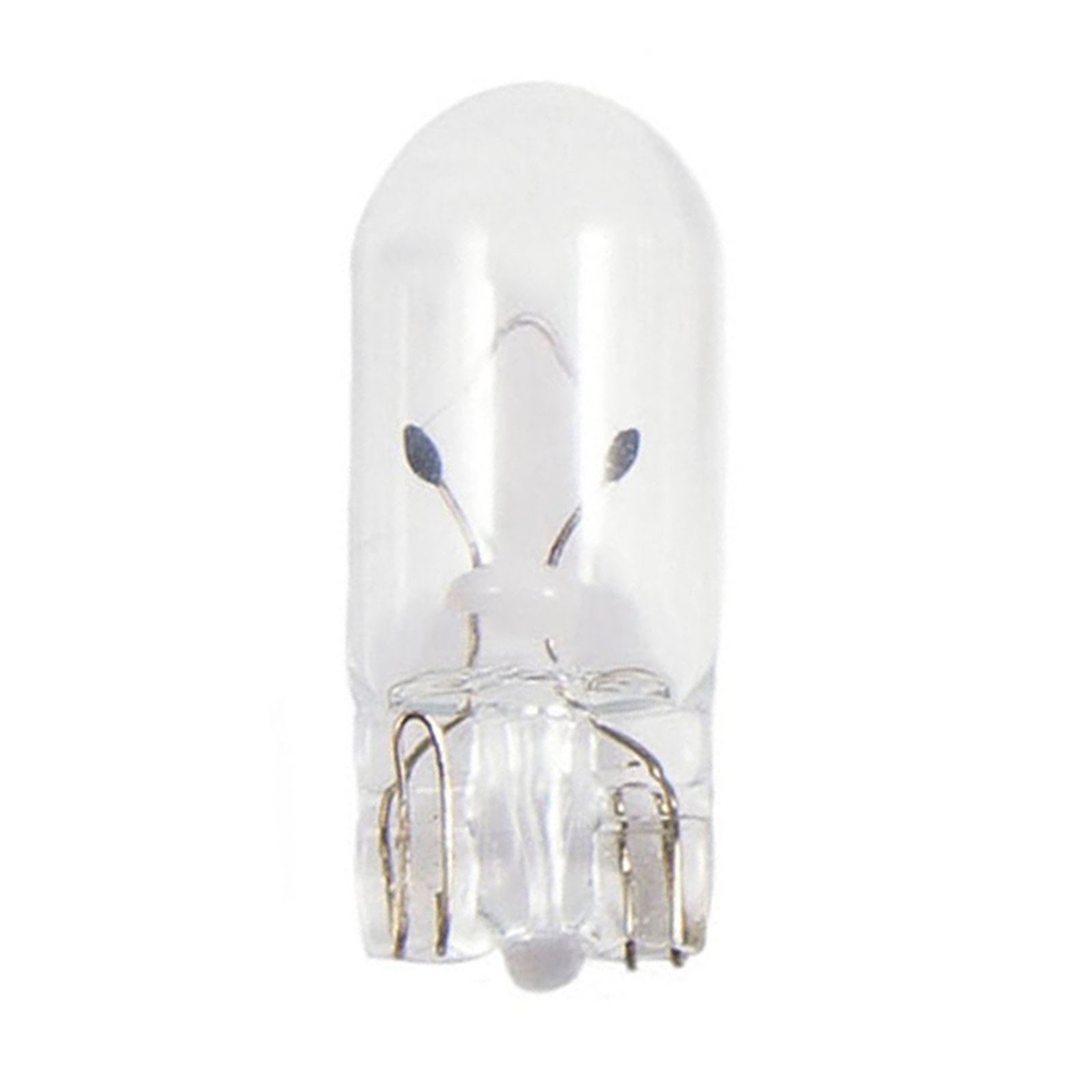
 S7S 9005 H11

 Track Order
 My Vehicles
 Contact Us
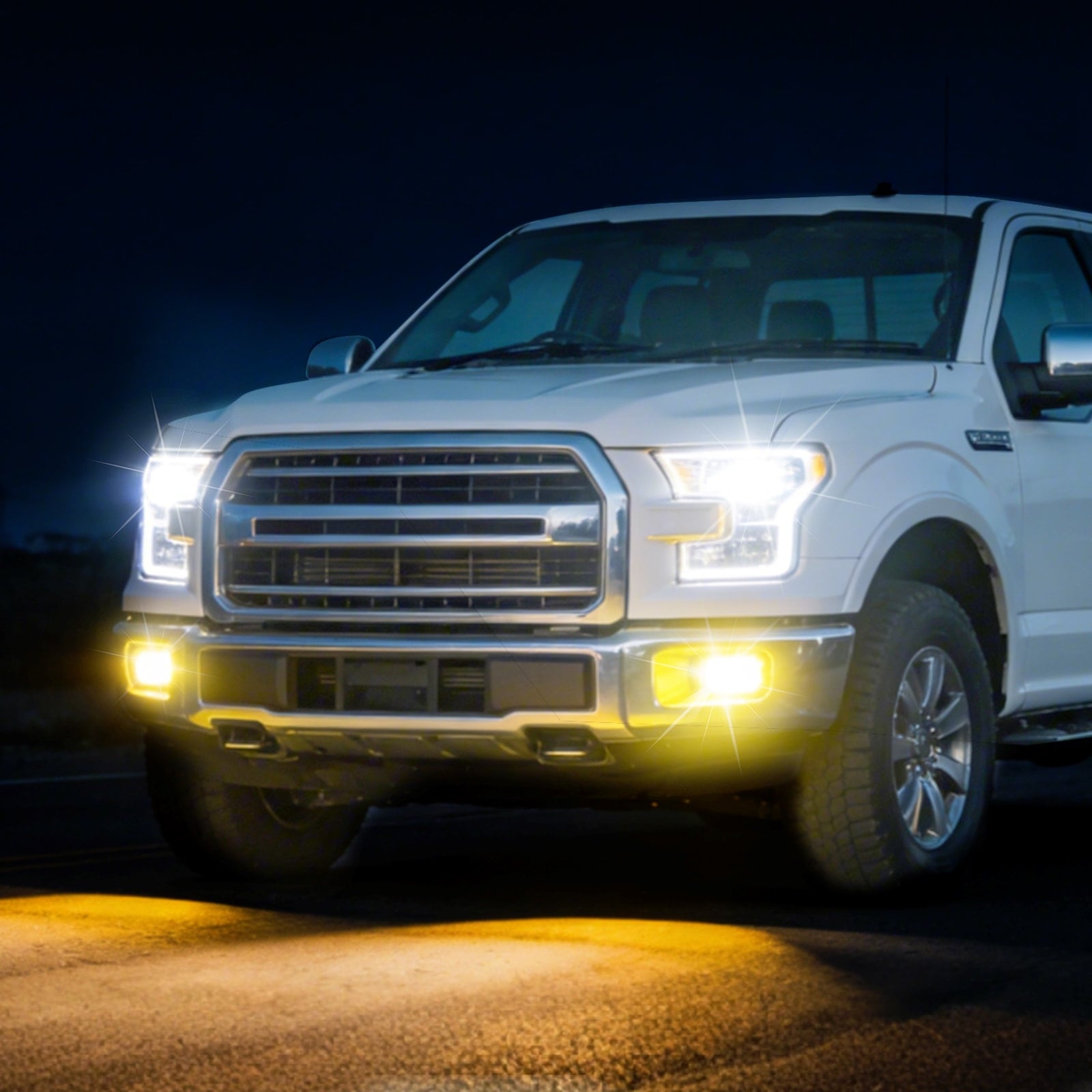






-69c35c81b5664.jpg)





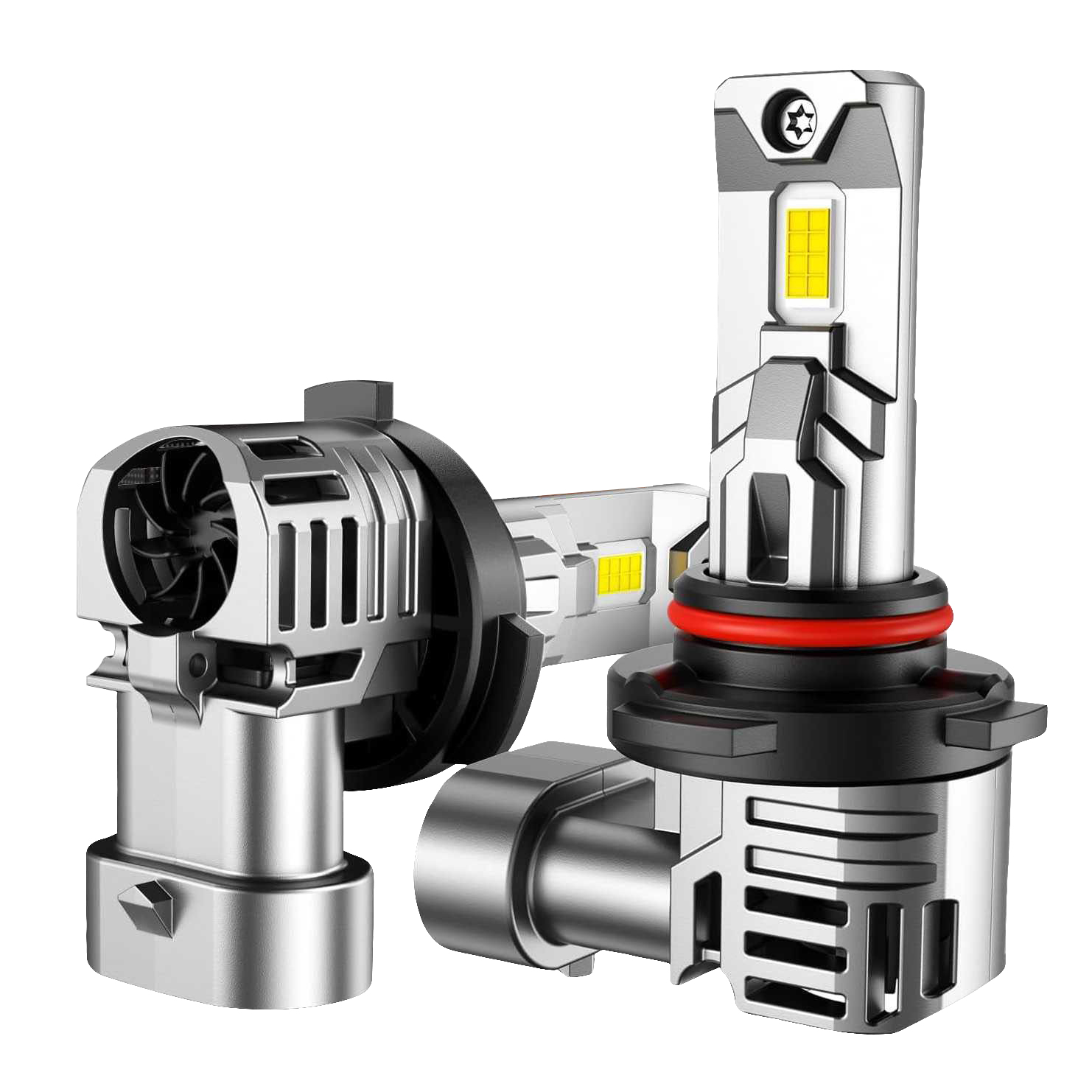




Fog lights can fail for several reasons, and replacing the bulb is one possible fix. A blown fuse, failed relay, damaged wiring, corroded ground, defective switch, moisture in the housing, or a poor electrical connection can produce the same symptom.
The fastest way to diagnose the problem is to work from simple checks to electrical testing. This guide explains what to inspect when one fog light stops working, when both lights fail, and when the lights flicker or stay on unexpectedly.
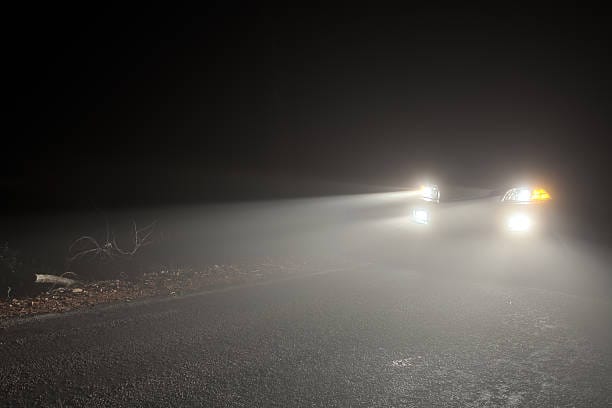
Common Signs Your Fog Lights Have a Problem
Fog lights can fail in several different ways.
If one fog light is out while the other works, the most likely causes are a failed bulb, damaged socket, loose connector, or local wiring problem.
If both fog lights are out, check the fuse, relay, switch, shared ground, and power supply before replacing both bulbs.
If the lights flicker, inspect connectors, grounds, relay contacts, moisture, and bulb condition.
If the fog lights stay on after the switch is turned off, a stuck relay or control-circuit problem may be keeping the circuit energized.
Start by identifying exactly what the lights are doing. That narrows the number of components you need to test.
Why Won't My Fog Lights Turn On?
A fog-light circuit normally includes the bulbs, fuse, relay, switch or body-control command, wiring, connectors, and ground points. A failure anywhere in that path can stop the lamps from working.
The most common causes include a burned-out bulb, blown fuse, failed relay, damaged or corroded wiring, loose ground, faulty switch, poor connector contact, or moisture-related damage.
On vehicles that use factory fog lights, the system may also depend on the headlight setting. Some vehicles only allow fog lights to operate with the parking lights or low beams on, and some automatically disable them with high beams.
Step 1: Check the Bulbs
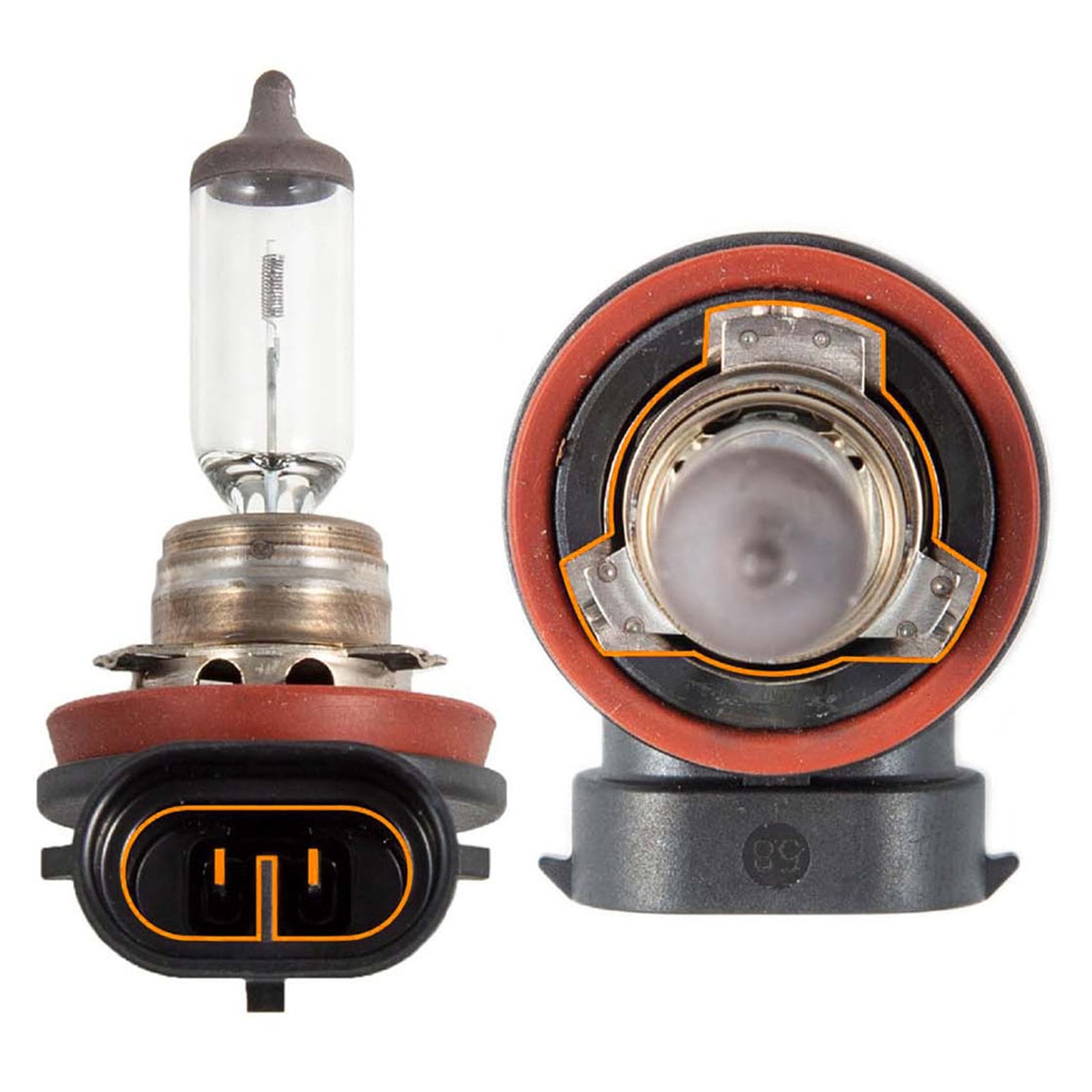
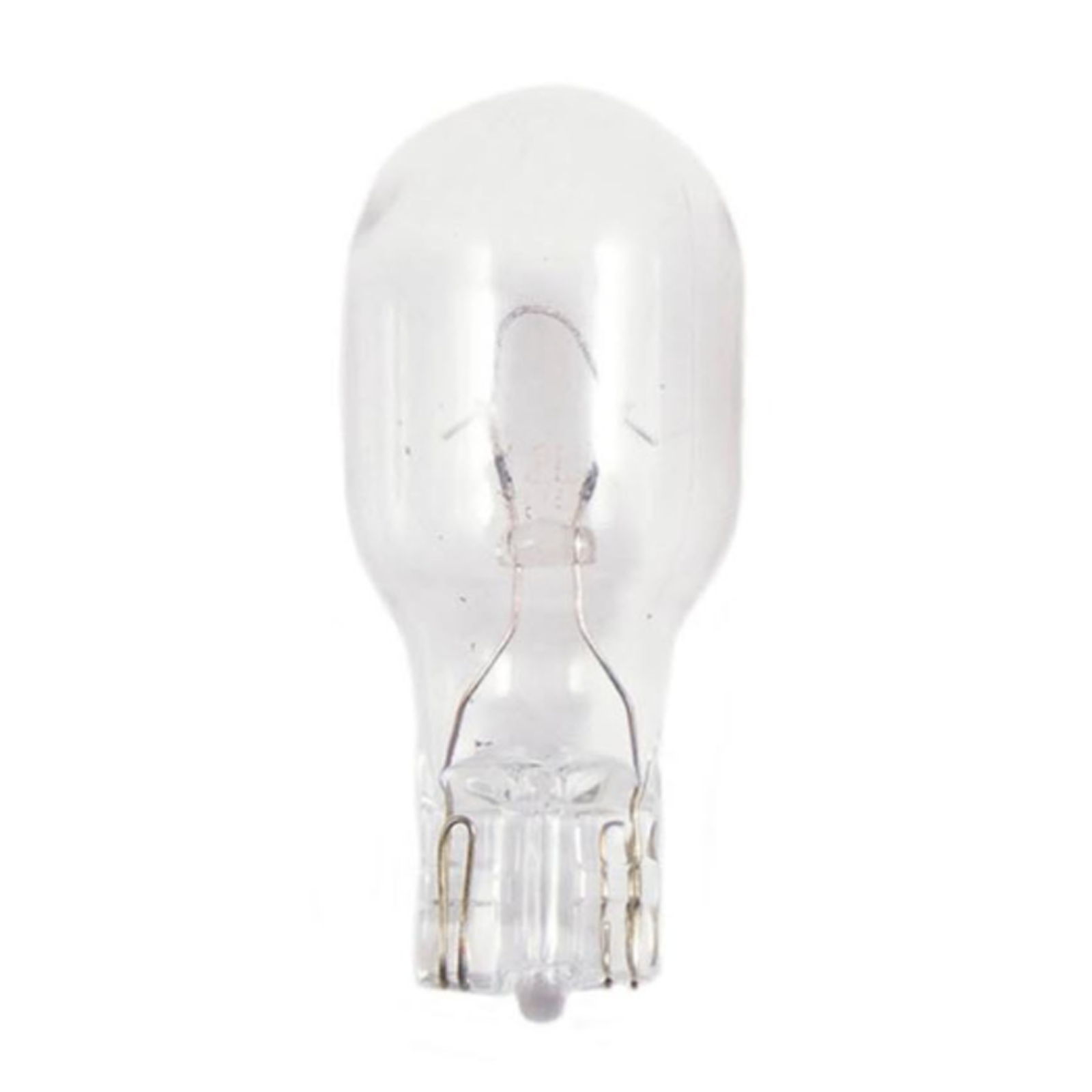
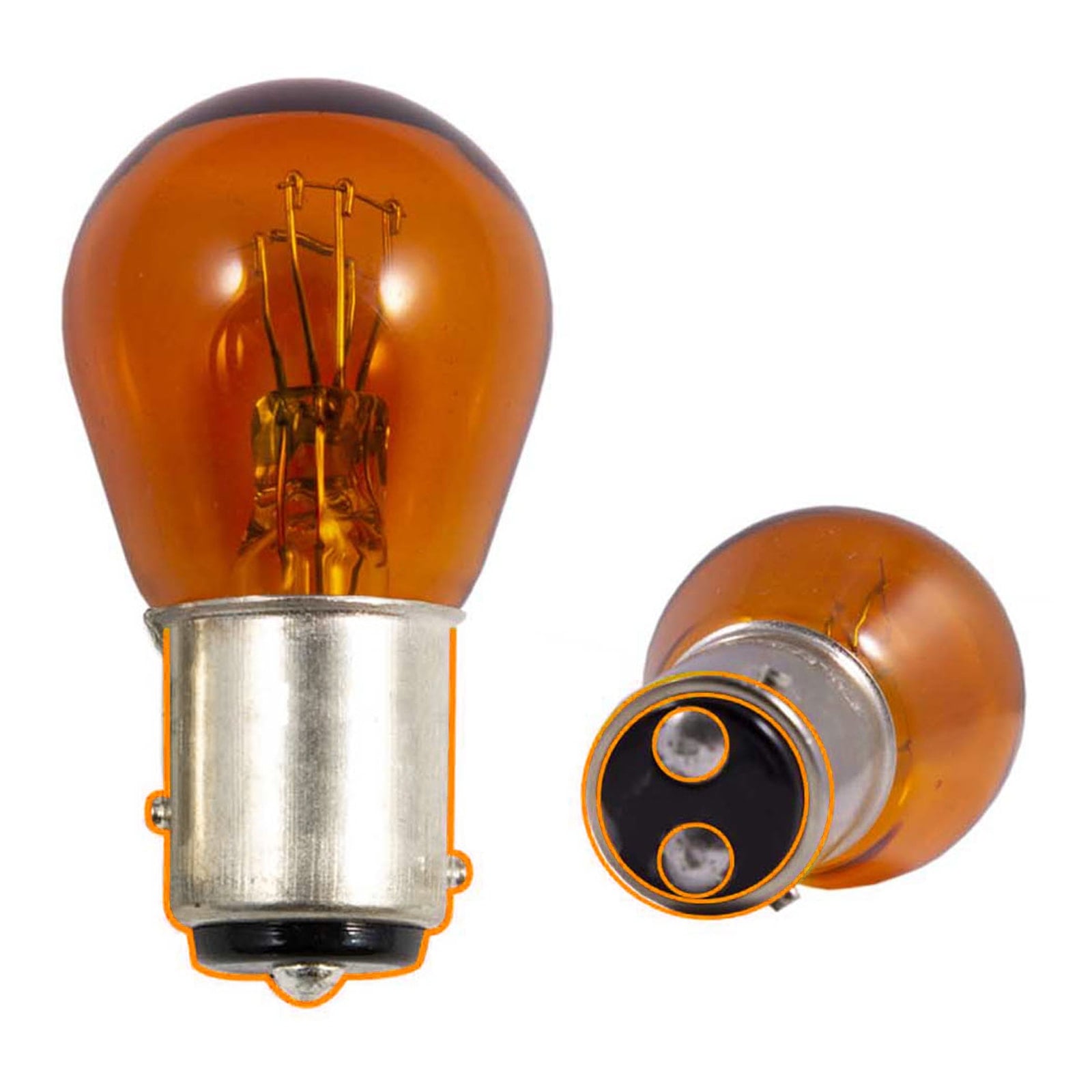
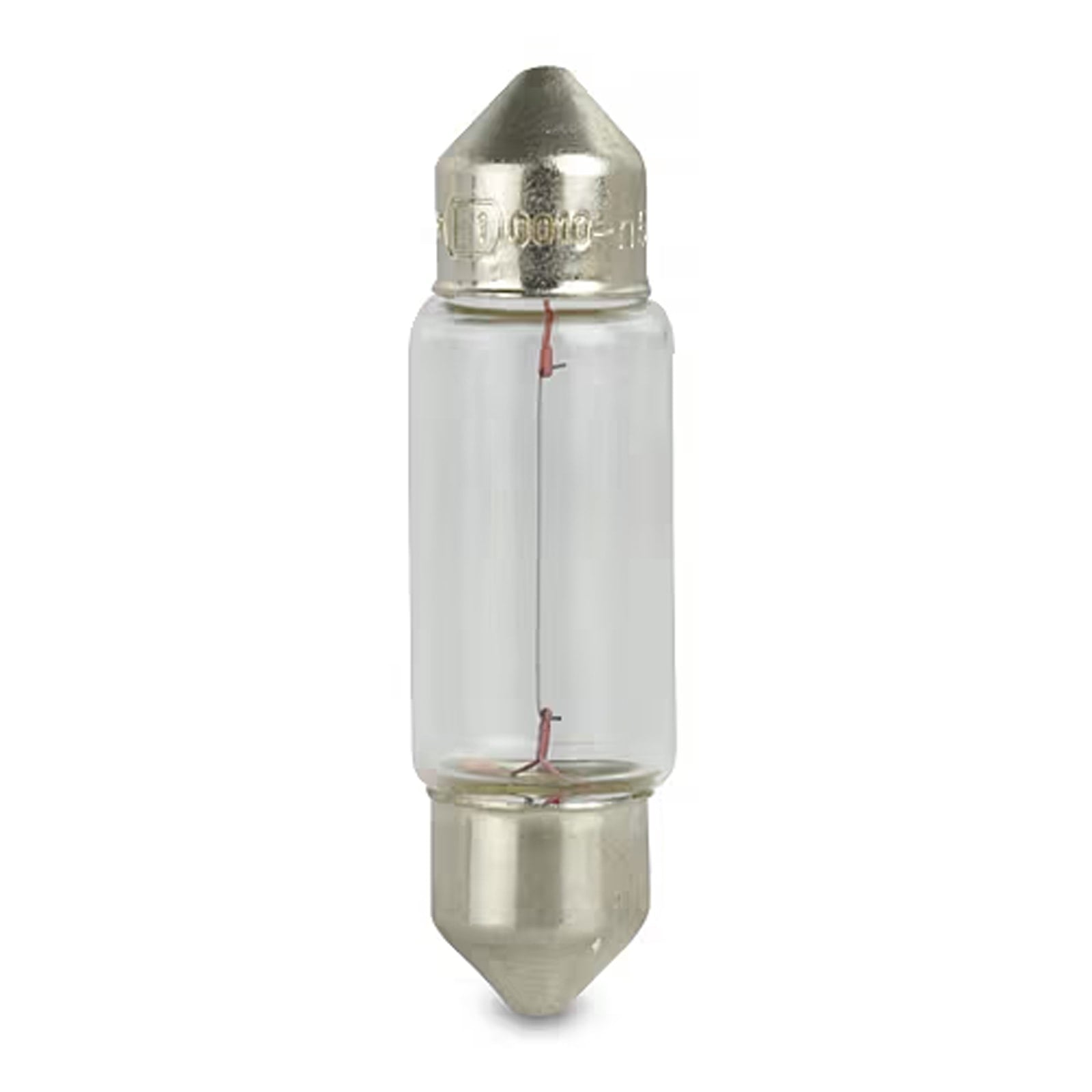
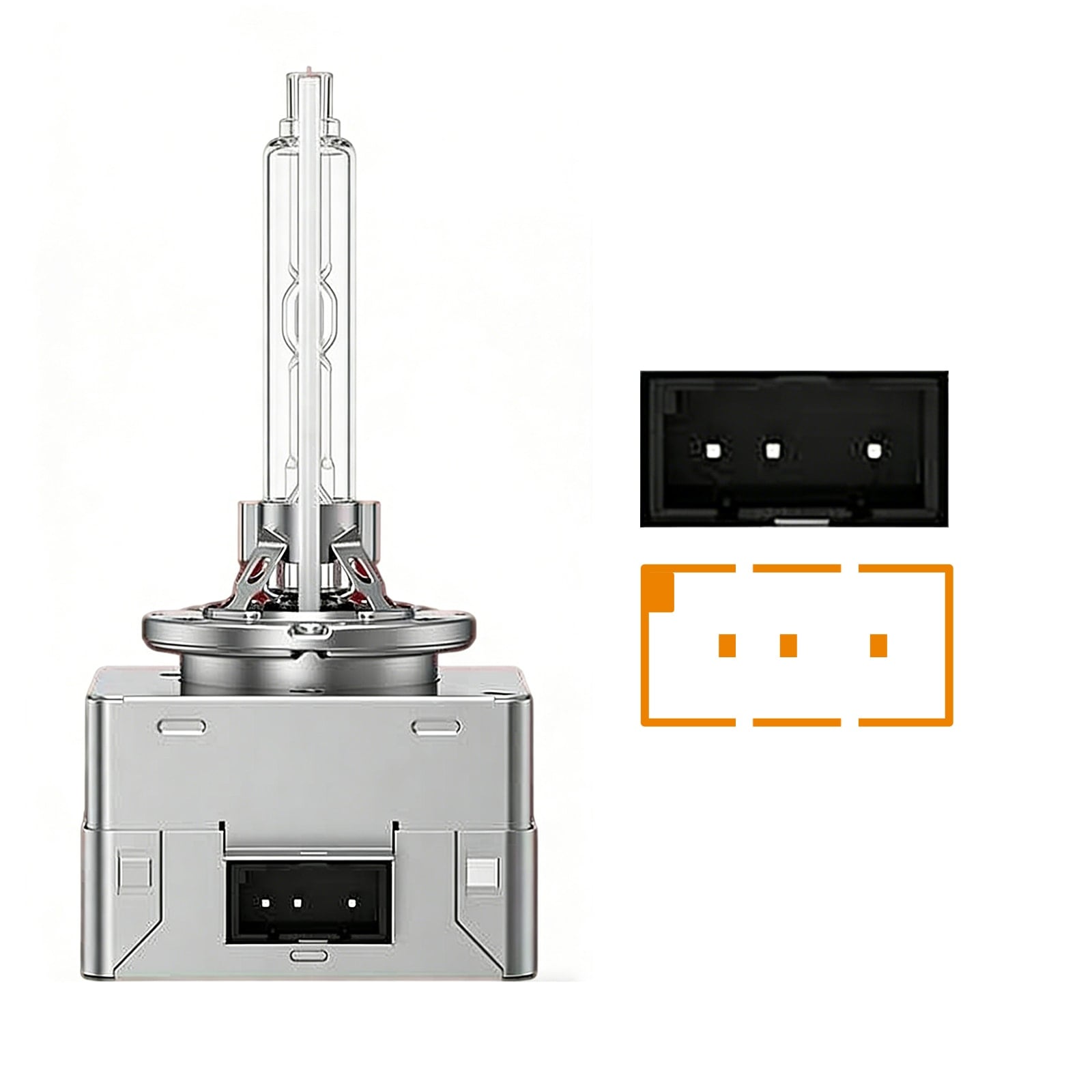
Start with a visual inspection. If only one fog light is out, compare the failed side with the working side. Look for a broken filament on halogen bulbs, darkening inside the glass, heat damage, corrosion, loose pins, or moisture around the connector.
For LED replacements, confirm the bulb is fully seated and the connector is locked. If the bulb has a separate driver, inspect the driver and wiring for damage.
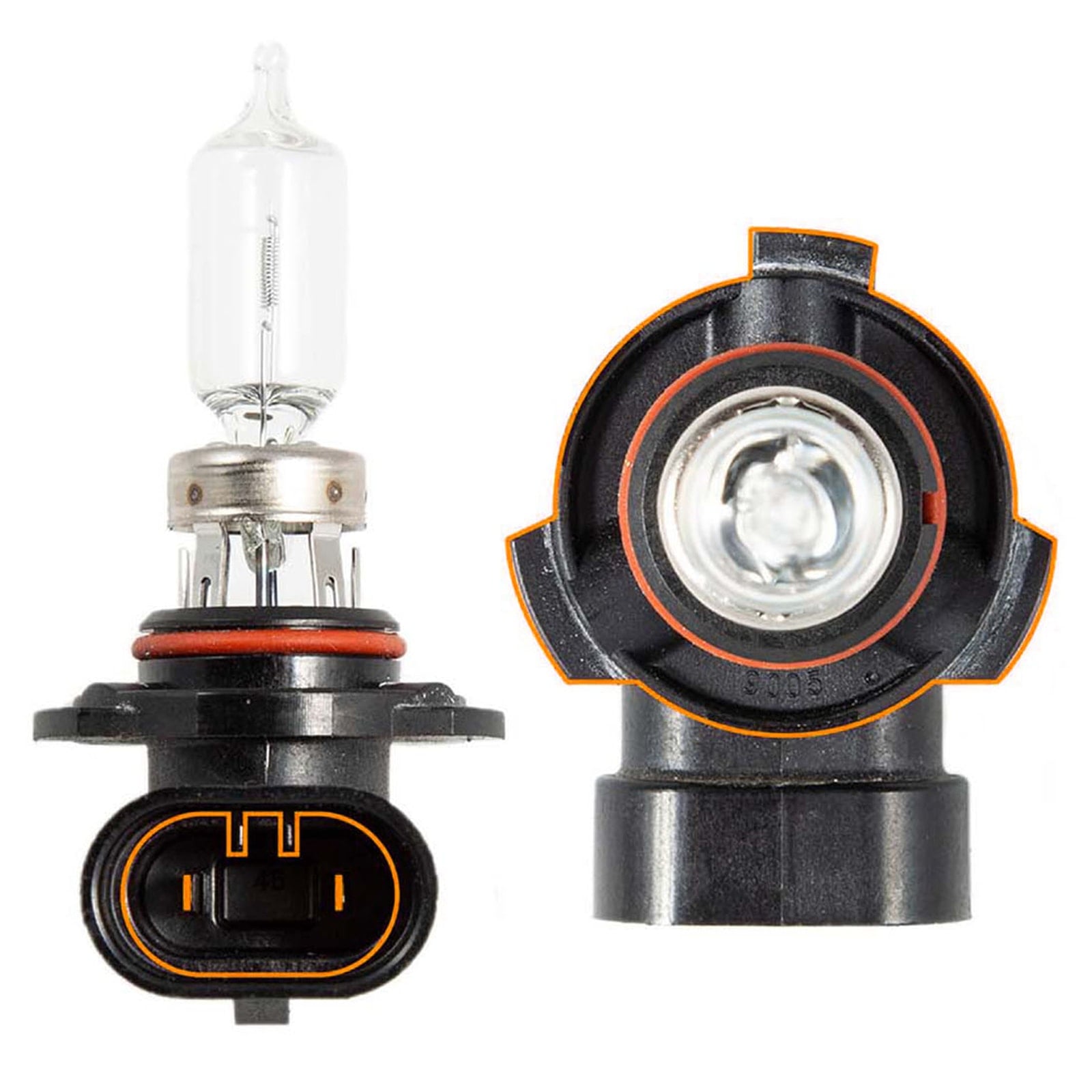
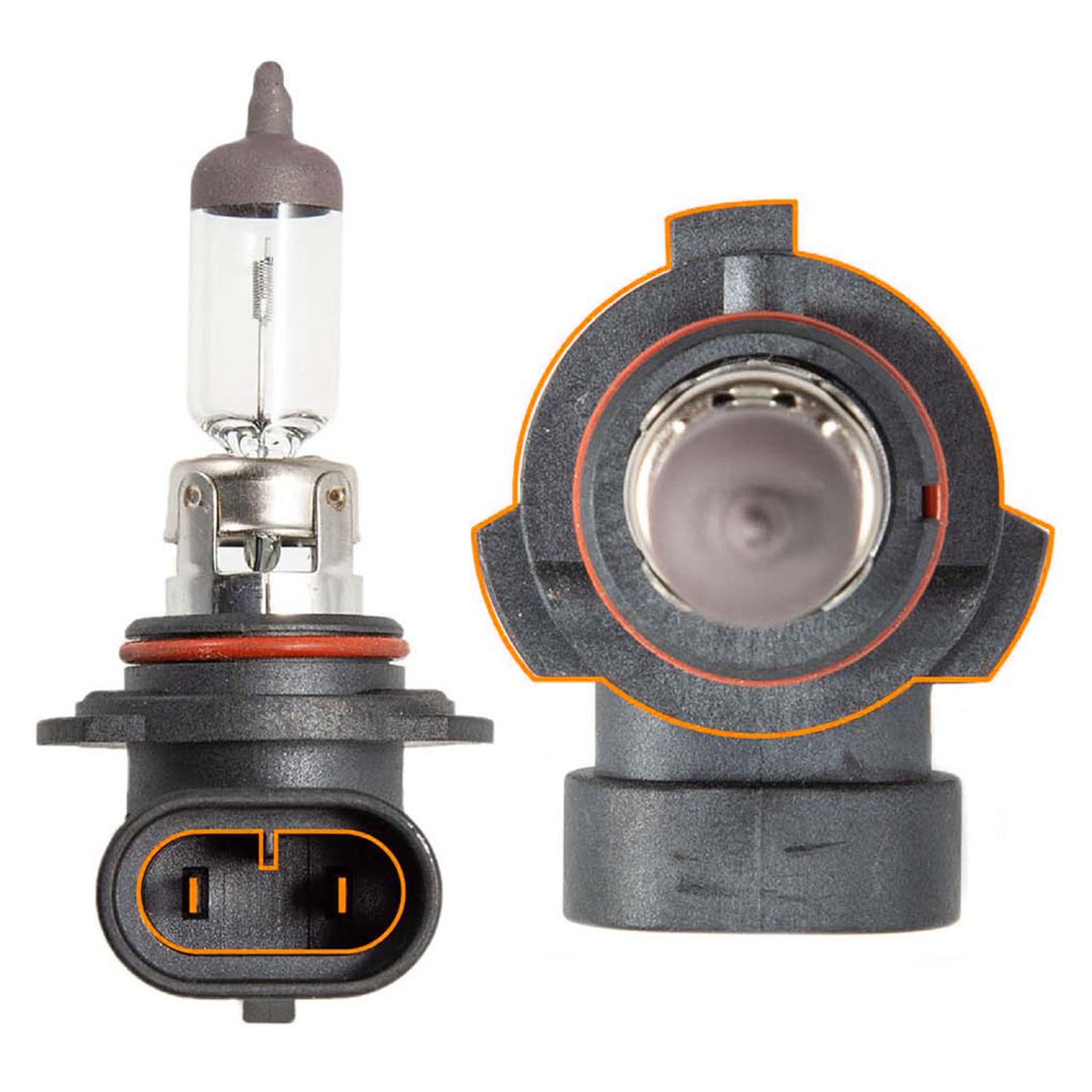
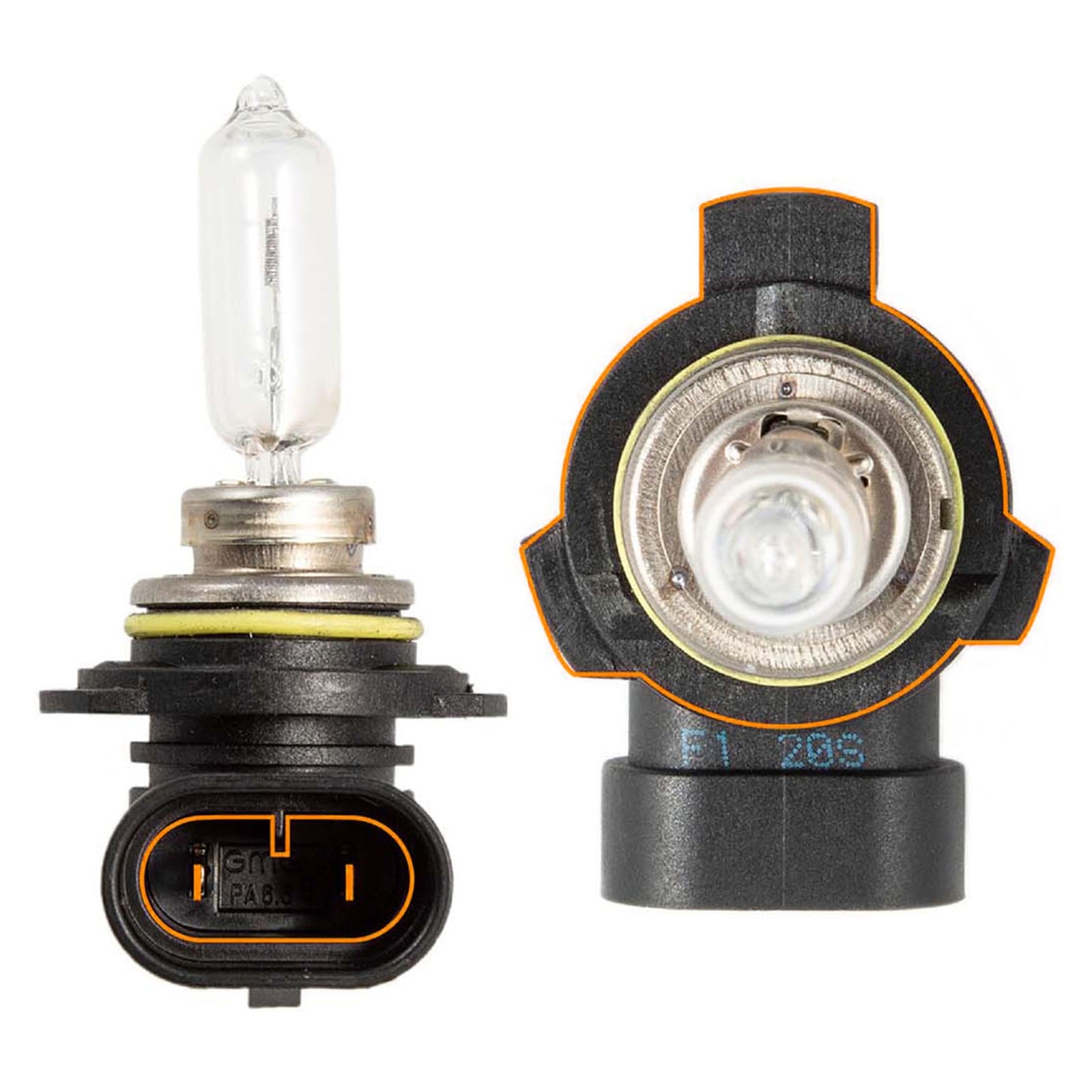
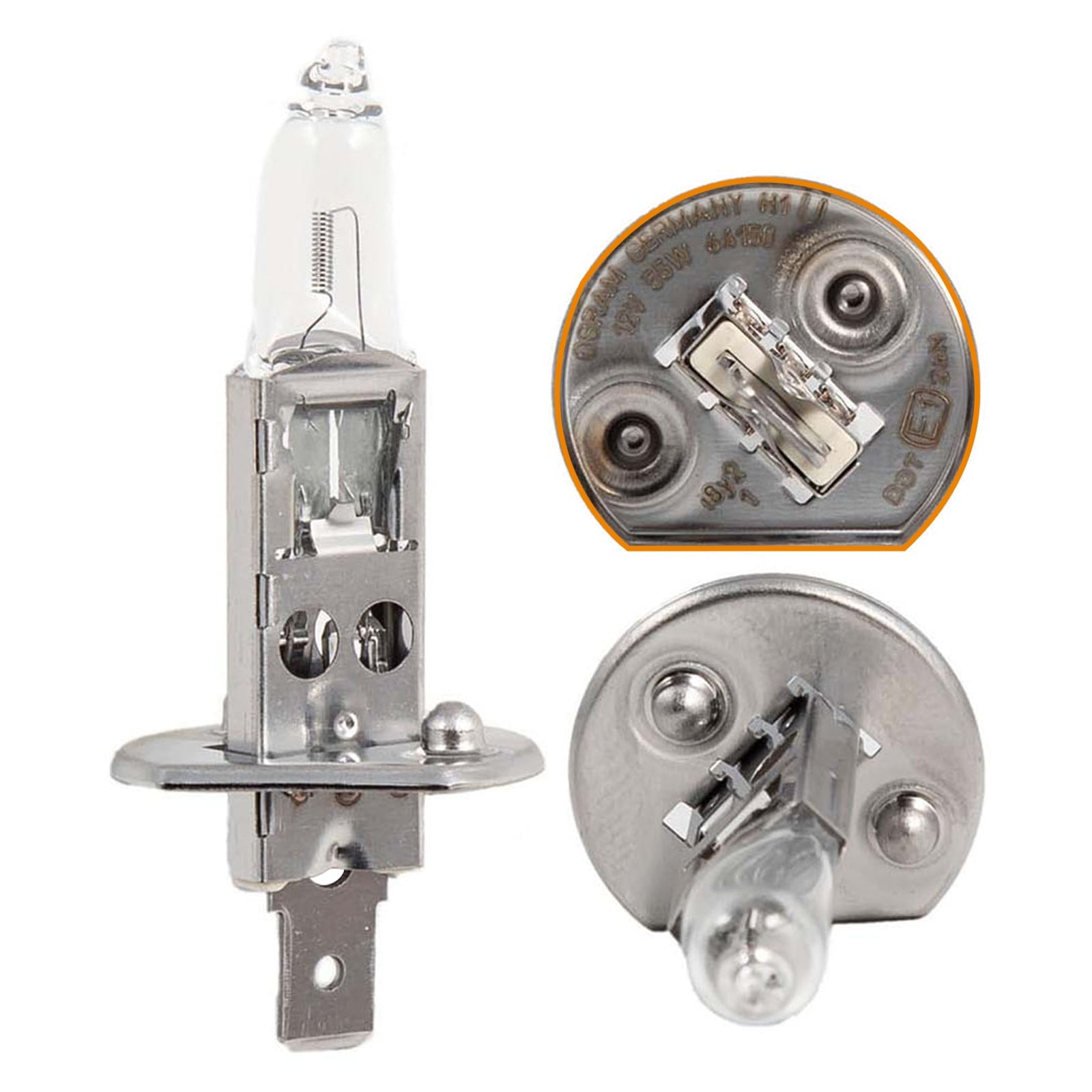
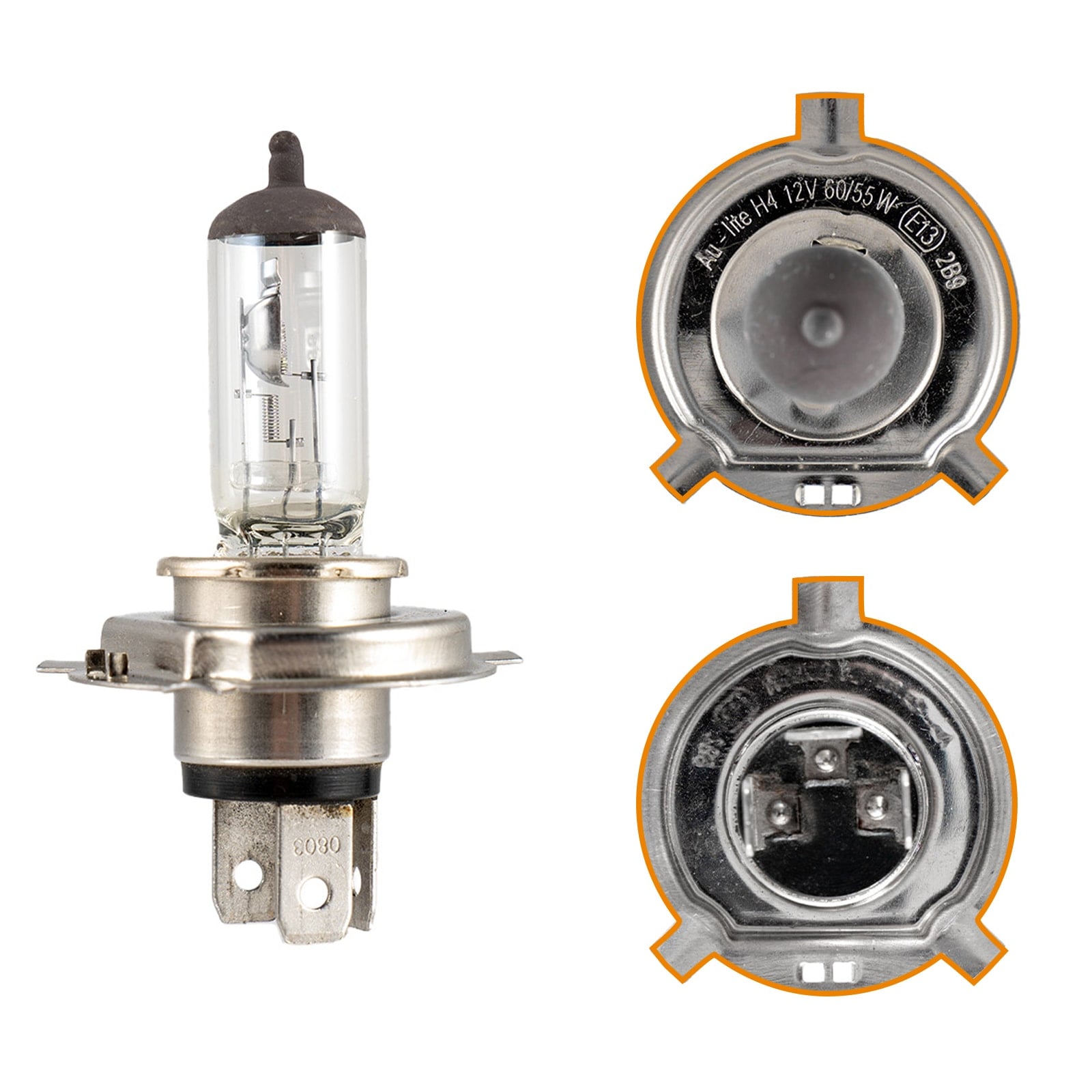
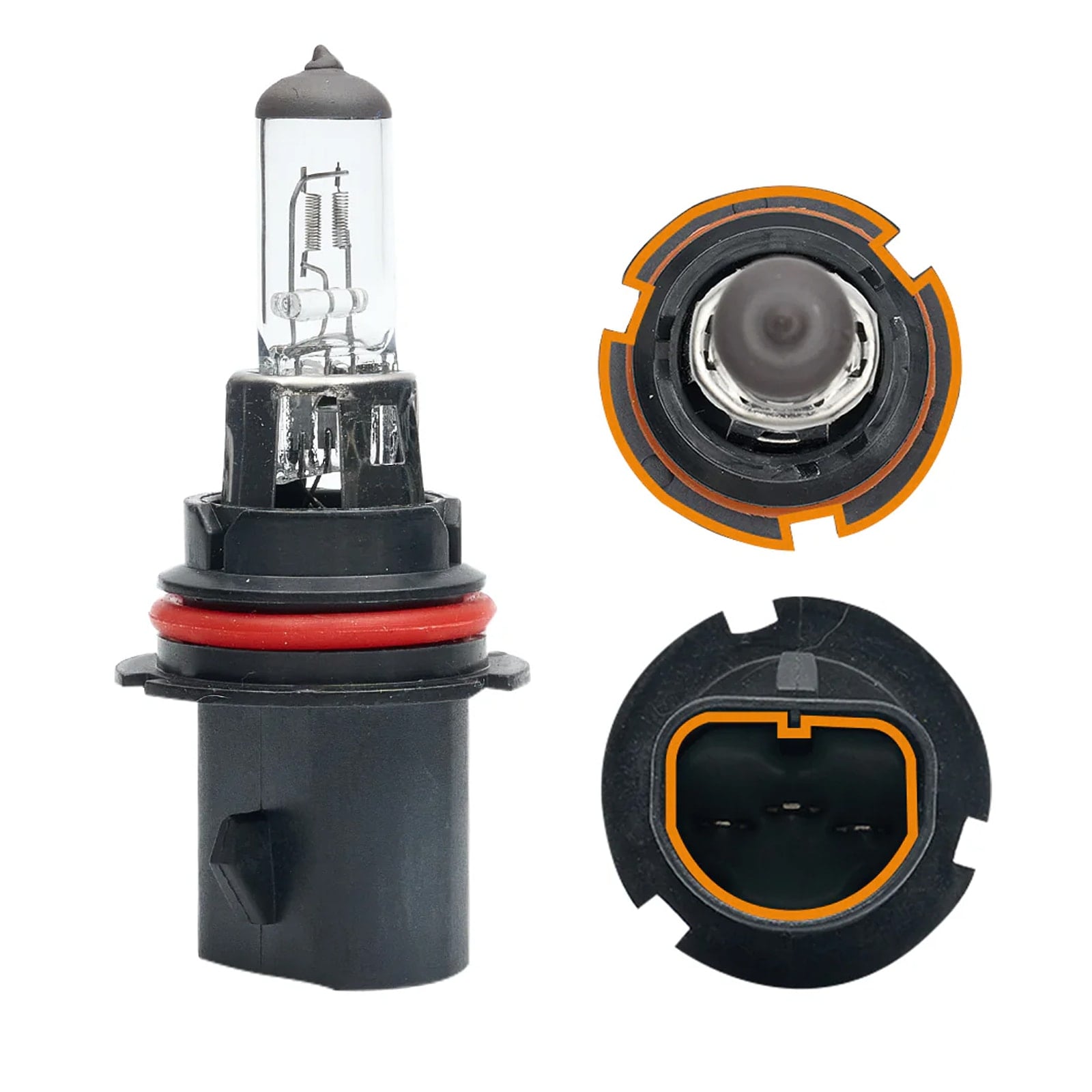
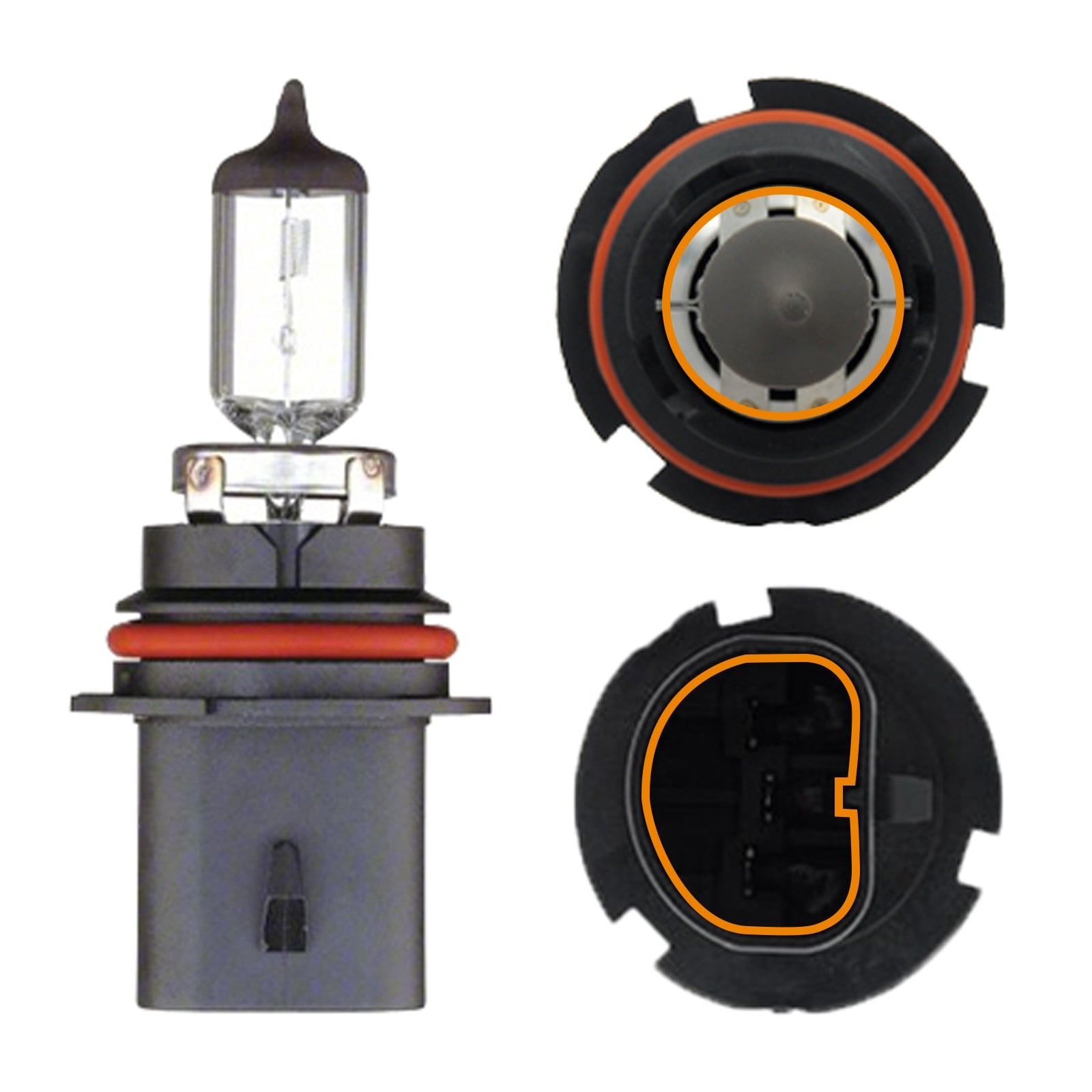
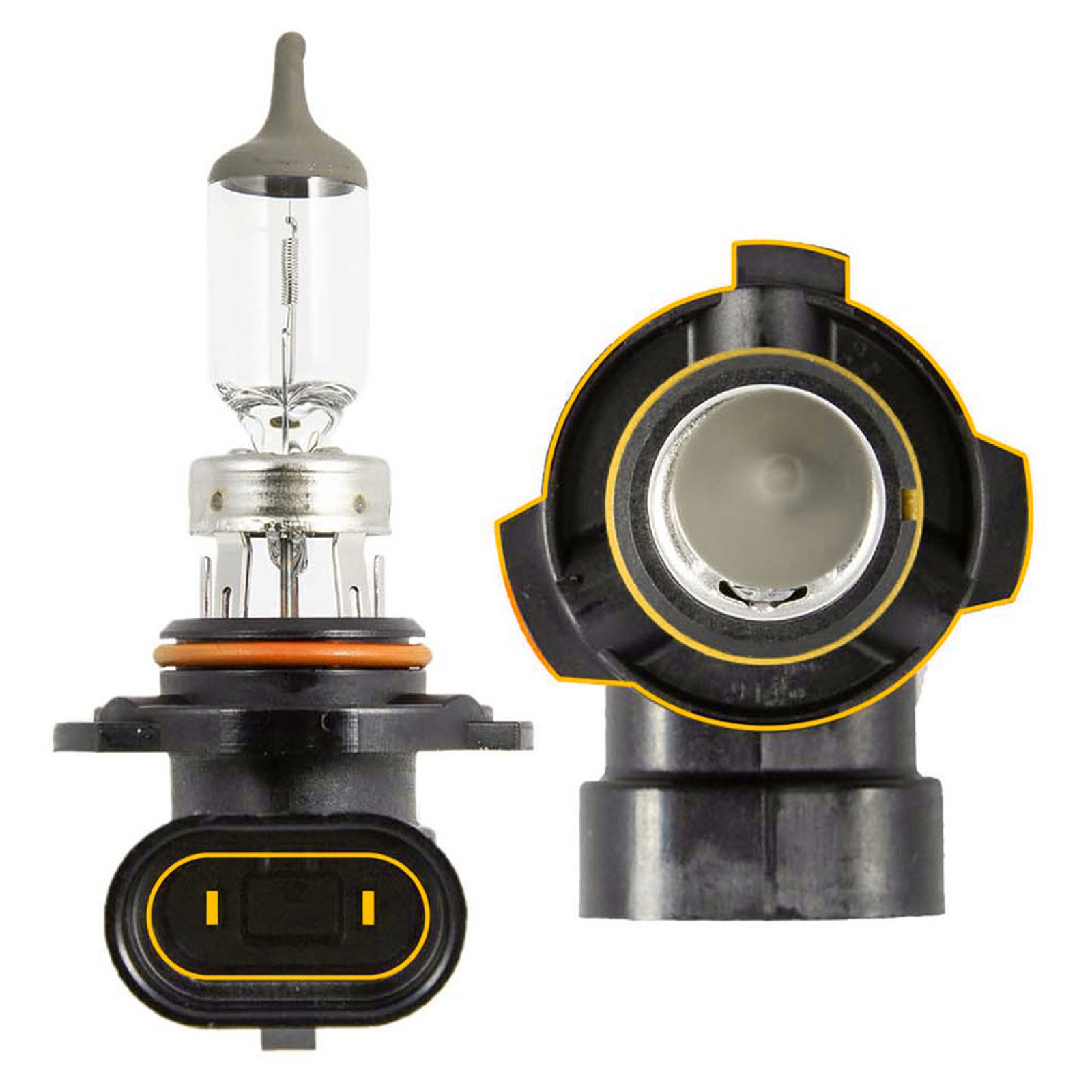
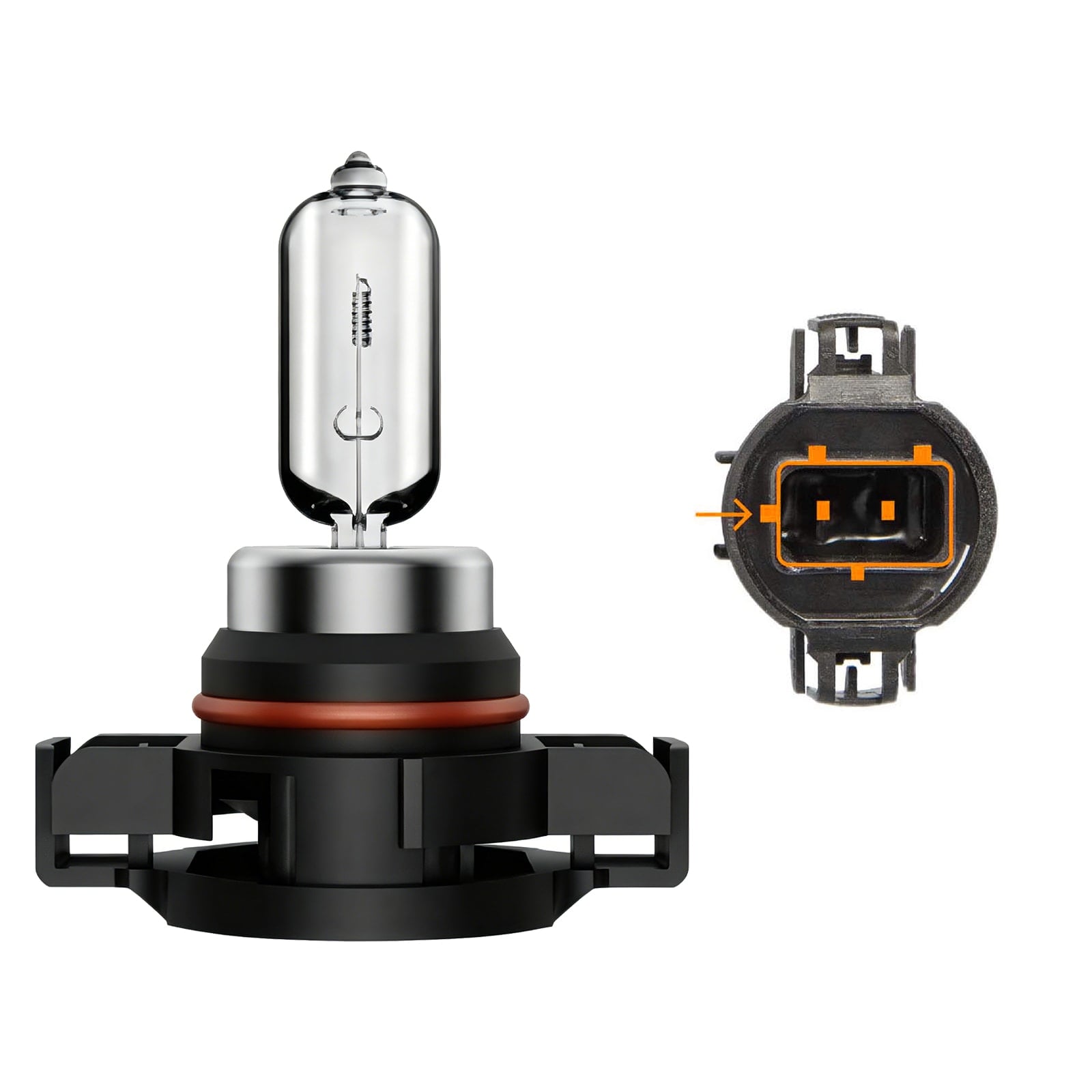
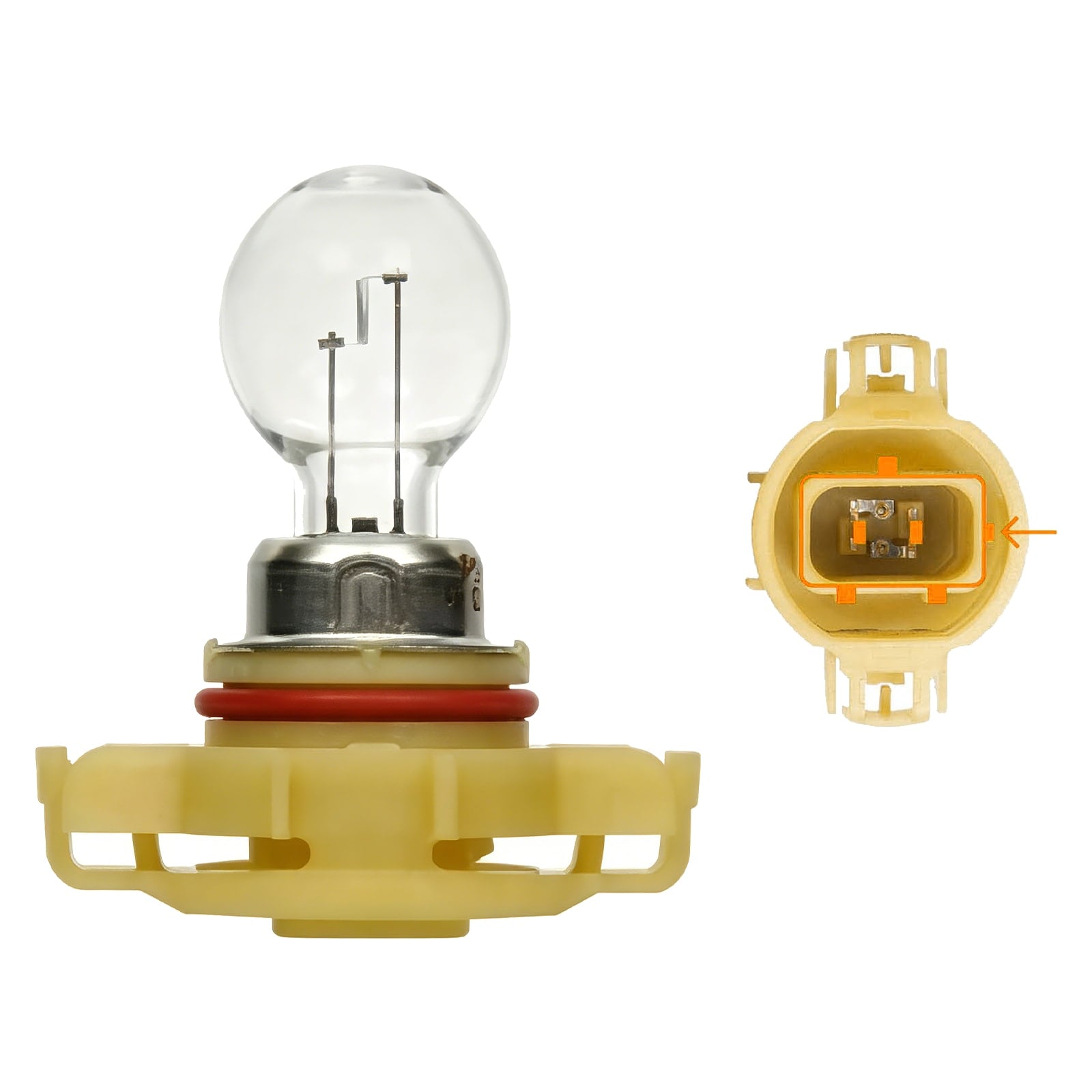
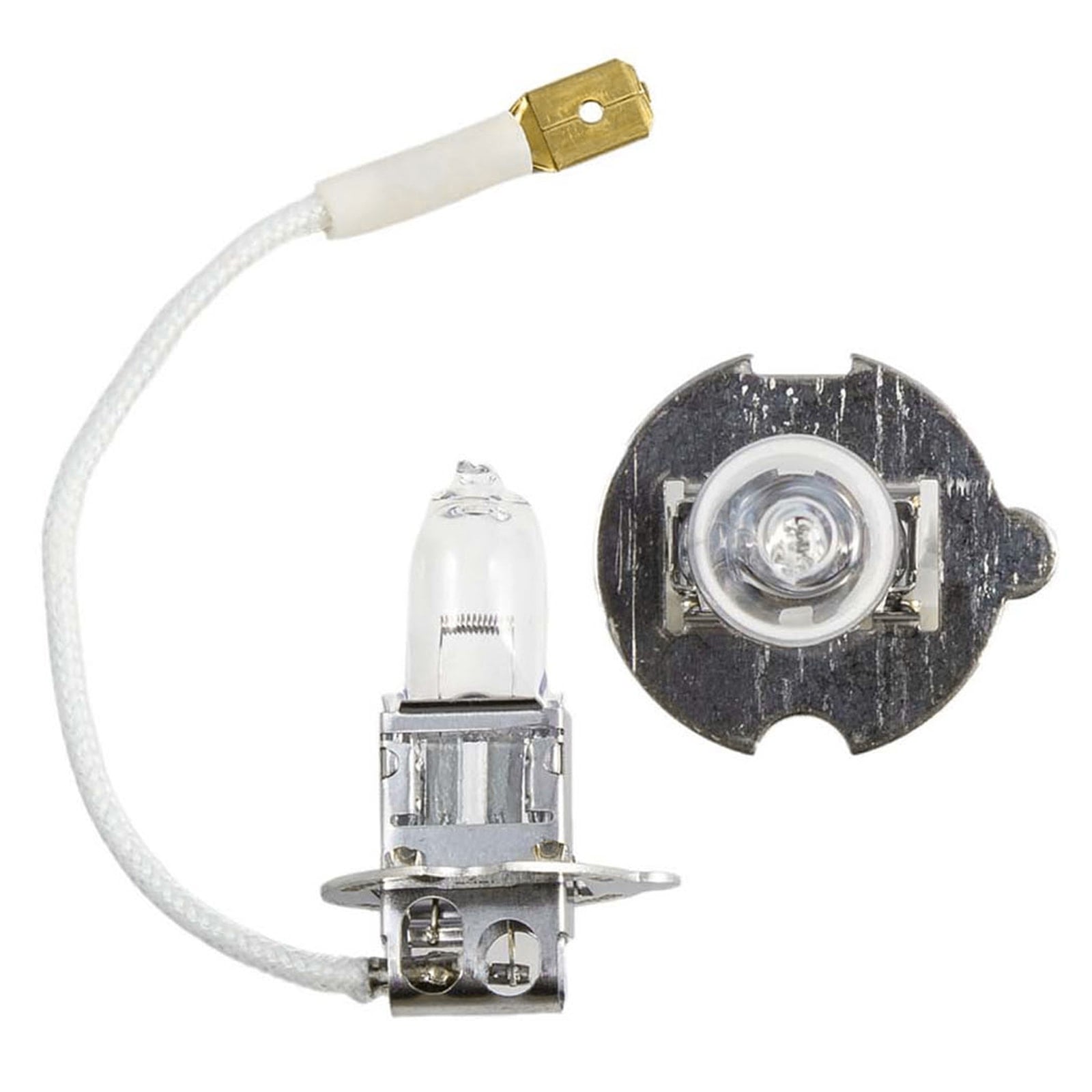
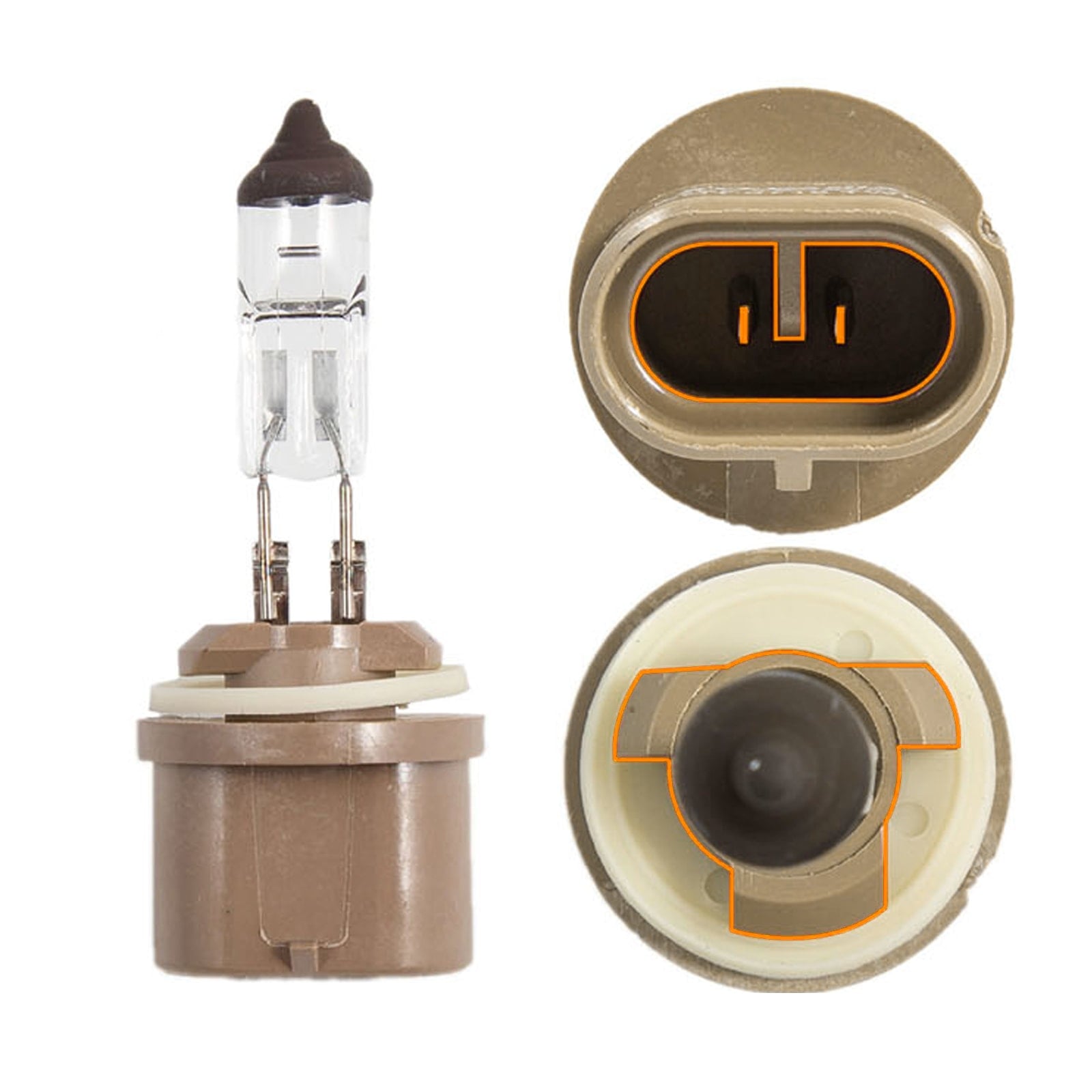
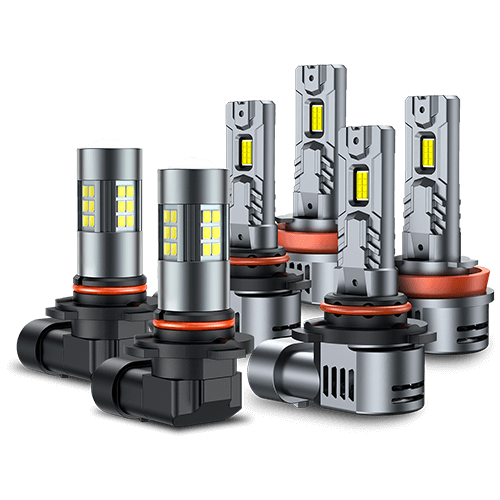
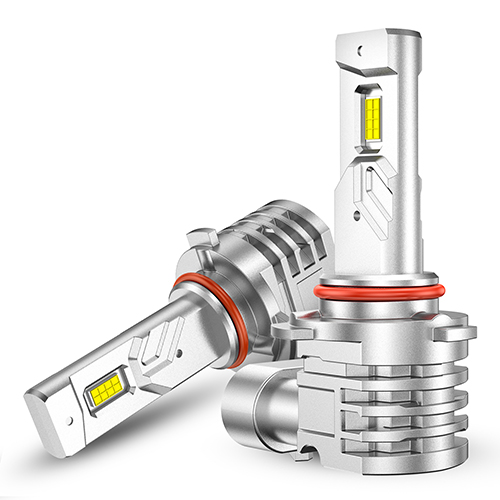
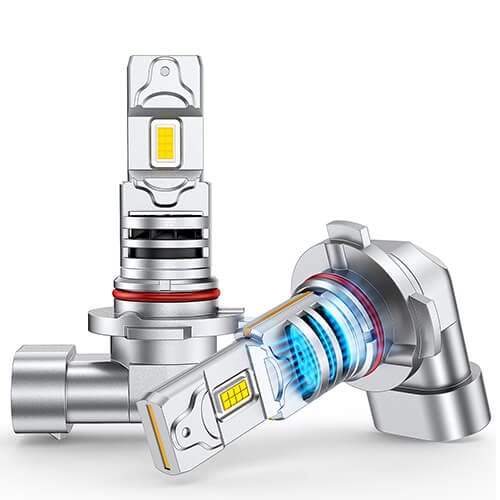
If the bulb is confirmed failed, replace it with the correct size. You can browse SEALIGHT LED fog light bulbs or size-specific options such as H11/H8/H9, 9006/HB4, and H10/9145 fog light bulbs after verifying your vehicle's original bulb number.
Step 2: Check the Fog Light Fuse
If both fog lights are out, the fuse is a logical next step. Use the vehicle owner's manual or fuse-box diagram to identify the correct fog-light fuse.
Remove the fuse and inspect it, or test both sides with a multimeter or test light. If the fuse is blown, replace it only with the specified amperage.
If the new fuse blows again, do not continue replacing fuses. Repeated fuse failure usually points to a short circuit, damaged wiring, water intrusion, or another electrical fault that needs diagnosis.
Step 3: Test the Fog Light Relay
The relay allows a low-current switch or control module to operate the higher-current fog-light circuit. A failed relay can prevent both lights from turning on.
A relay can also fail in the opposite way. If its contacts stick closed, the fog lights may remain on after the switch is turned off and can eventually drain the battery.
If the relay is removable and another identical known-good relay is available in the fuse box, a controlled swap can sometimes help confirm the fault. Always follow the vehicle wiring diagram and owner information before testing relay circuits.
Step 4: Inspect Wiring, Connectors, and Grounds
Fog lights sit low on the vehicle, so their connectors and wiring are exposed to water, road spray, dirt, snow, slush, and road salt. Over time, damaged insulation, corrosion, loose terminals, or a weak ground can create intermittent or complete failure.
Check the connector for green or white corrosion, bent pins, heat damage, broken locking tabs, and moisture. Follow the visible wiring as far as practical and inspect ground points for looseness or corrosion.
Winter conditions can accelerate problems in already weakened connectors. A connection that works in dry weather may become intermittent after repeated wet, salty, freeze-thaw exposure.
Step 5: Check the Fog Light Switch or Control Signal
If the bulbs, fuse, relay, wiring, and grounds appear normal, the control side of the circuit may be the issue.
Depending on the vehicle, fog lights may be controlled by a physical switch, multifunction stalk, body-control module, or a combination of these systems. Use a wiring diagram and multimeter if you are comfortable with electrical testing.
If the circuit is controlled through a body-control module or the problem involves multiple lighting functions, professional diagnosis is usually more efficient than replacing parts by trial and error.
What If Only One Fog Light Is Not Working?
When only one side fails, start at that lamp rather than the main fuse or switch. Compare the failed side with the working side.
Check the bulb, socket, local connector, ground, and visible wiring. If the bulbs are interchangeable left to right, swapping known-good bulbs can help determine whether the problem follows the bulb or remains on the same side.
If the problem stays on the same side after a known-good bulb is installed, focus on the socket, power supply, and ground for that lamp.
Why Are My Fog Lights Flickering?
Flickering usually means the circuit is making and breaking contact or the voltage is unstable. Common causes include a loose connector, failing relay, weak ground, damaged wiring, moisture, or an ageing bulb.
If aftermarket LED fog lights began flickering immediately after installation, also confirm connector polarity, fitment, driver connections, and vehicle-electronics compatibility.
Do not assume flickering is automatically a bad bulb. Test the connection and power supply before replacing components.
Why Do My Fog Lights Stay On?
Fog lights that remain on after the switch is off can point to a stuck relay, shorted wiring, faulty switch, or control-module issue.
If the lights will not turn off, avoid leaving the vehicle parked with the circuit active because it may discharge the battery. If you are not comfortable isolating the circuit safely, have the system inspected.
When Should You Replace the Fog Light Bulbs?
Replace the bulbs when testing confirms they are burned out, physically damaged, significantly dimmed, or unreliable while the rest of the circuit is functioning normally.
If you are upgrading from halogen to LED, confirm the correct bulb size and make sure the replacement maintains a controlled low fog-light beam. More brightness is not useful if the beam scatters upward and increases glare in fog or snow.
Frequently Asked Questions
Why did both fog lights stop working at the same time?
A shared fuse, relay, switch, ground, power supply, or control problem is more likely when both lamps fail together.
Can a bad relay stop fog lights from working?
Yes. A failed relay can prevent current from reaching the fog lights, while a relay stuck closed can keep them on continuously.
Can moisture cause fog lights to stop working?
Yes. Water intrusion can corrode bulb sockets, connectors, wiring, or terminals and may cause intermittent operation before complete failure.
Can I replace halogen fog lights with LED bulbs?
In many replaceable-bulb applications, yes, provided you use the correct size and the LED fits the housing and electrical system. Check local requirements and vehicle compatibility.
What should I do if the fuse keeps blowing?
Stop replacing the fuse and diagnose the circuit. A repeated blown fuse usually indicates a short, damaged wiring, water intrusion, or another electrical problem.
Final Thoughts
Fog lights that stop working should be diagnosed systematically. Start with the bulb and connector, then check the fuse, relay, wiring, grounds, and switch or control signal.
For vehicles exposed to wet roads, snow, road salt, and slush, pay extra attention to low-mounted connectors and wiring. Once you confirm the electrical system is healthy and the bulb itself has failed, choose the correct replacement size and make sure it is securely installed and properly aimed.
Ready to restore clear visibility in hazardous weather? Explore the full collection of high-performance SEALIGHT LED fog light bulbs designed for Canadian road and weather conditions. Enjoy free shipping on all orders and buy with confidence thanks to our hassle-free 90-day returns policy. Upgrade your drive today for brighter, safer journeys.